Driving in Hungary: Rental Cars, Vignettes and Budapest Parking
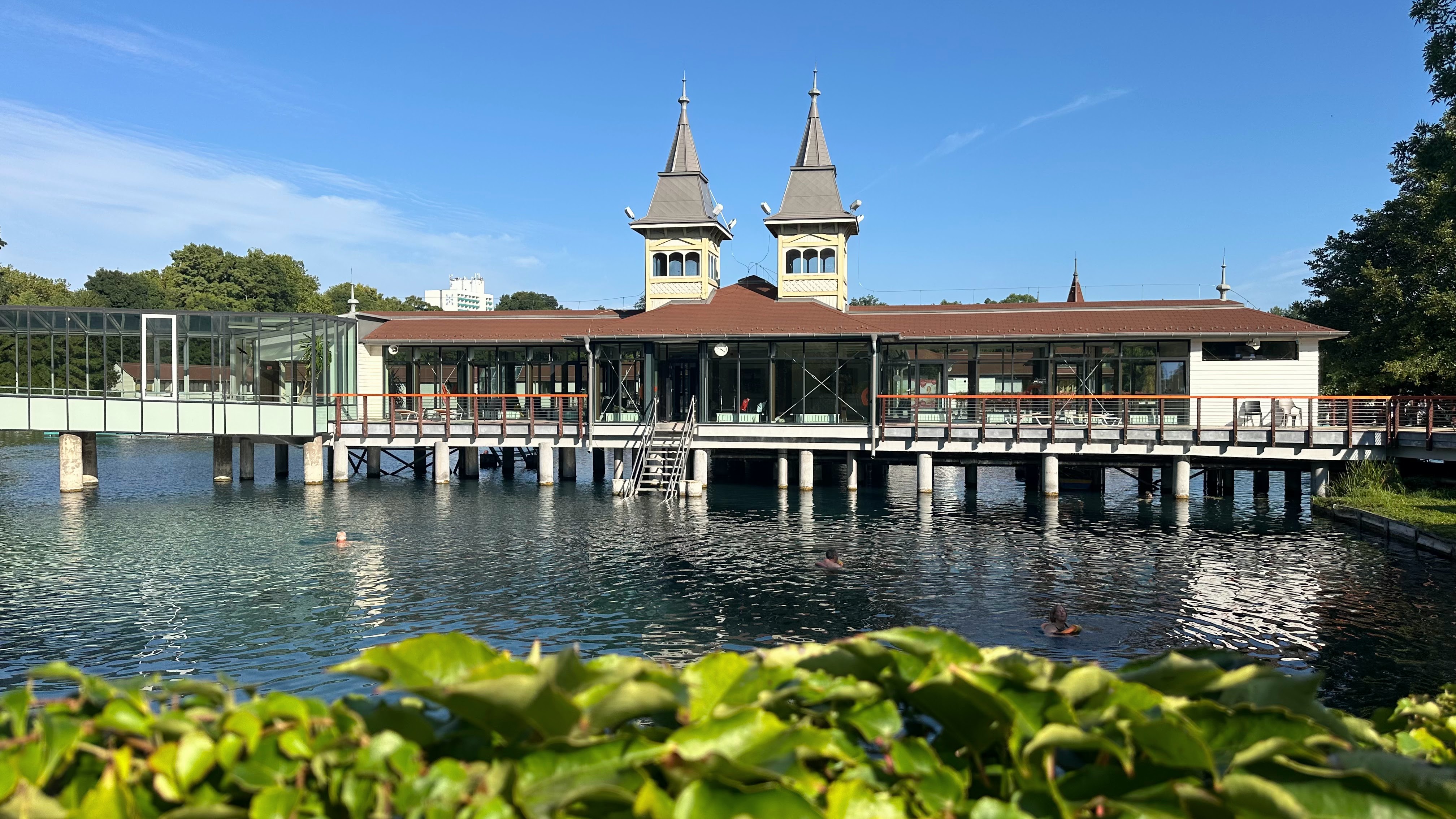
Hungary drives on the right and uses kilometres. Urban traffic, electronic road tolls and zero alcohol for drivers require preparation. A rental can help around Lake Balaton and smaller towns; central Budapest is often easier by public transport.
Lake Balaton, Hungary · packing4two
Choose your rental days carefully
Compare Hungary rentals on DiscoverCars, selecting a pickup that fits your route. Check insurance, deposit, mileage, motorway coverage and permission to cross into neighbouring countries. A convenient border does not imply contractual permission.
A parked car still incurs rental and parking costs in Budapest. Compare these with collecting it later. For family travel, confirm suitable child restraints in advance rather than relying on a general request added to the booking.
Documents and collection
Carry your original licence, passport and any international permit or translation required for your licence. Verify supplier requirements, minimum age and the bank card accepted for a deposit in the driver’s name.
Photograph the vehicle and fuel gauge and confirm fuel type. Save assistance details and ask how unpaid tolls or penalties are handled. Keep rental papers accessible, but do not leave passports and important documents in an unattended vehicle.
Left turns at green lights
A circular green may allow opposing traffic to proceed simultaneously. Yield to it when turning left and check pedestrians and cyclists when turning. A dedicated arrow is a different arrangement: follow the signal for your own lane.
There is no general permission to turn right on red. Remain behind the stop line even when the road appears empty. Wait for space beyond a busy junction rather than blocking tram tracks or a pedestrian crossing.
Roundabouts and trams
Roundabouts run anticlockwise. Entry give-way signs require yielding to circulating vehicles. At junctions without another arrangement, be alert to priority from the right. Use indicators without treating them as permission to change lanes.
Budapest trams may cross turning traffic. Slow before crossing tracks, avoid stopping on them and watch passengers alighting into the road. Do not assume every tram has identical priority at every junction; signs and signals control the situation.
Speed, lighting and alcohol
Reference limits for ordinary passenger cars are 50 km/h in built-up areas, 90 on other roads, 110 on expressways and 130 on motorways, subject to signs. Smaller streets and particular sections may have lower limits.
Daytime lighting is required outside built-up areas. Drivers must observe zero alcohol, so choose a non-drinking driver for wine visits. Keep phones mounted and stop somewhere permitted before making changes that require your attention.
Buy motorway coverage before entering
Toll roads use an electronic vignette linked to the vehicle registration. Ask whether the rental already has coverage, including its geographic scope and dates. Enter the plate, registration country and category exactly as recorded in the vehicle papers.
For ordinary D1 passenger cars, 2026 prices are HUF 5,550 for a day, 6,900 for ten days and 11,170 for a month. Larger people carriers or vehicles registered as N1 may fall into another category. Appearance alone does not determine D1 eligibility.
Regional coverage is not national coverage
Regional products exist alongside nationwide ones. A cheaper vignette may not cover your planned roads. Ask exactly what the rental includes and retain confirmation. Do not assume electric vehicles are exempt.
If you make a mistake, contact the operator or supplier immediately rather than waiting until return. A short correction opportunity for accidental entry is not a routine pay-later method, and rental companies can add administration fees.
Budapest parking and the Simple app
Budapest parking zones differ in price, chargeable hours and maximum stay. Use the zone code on the sign beside the vehicle, not solely GPS positioning. Pedestrian streets and restricted historic areas remain restricted even if your hotel is inside them.
The Simple app supports parking payments in participating areas. Add the vehicle, check confirmation and end the session when leaving. If registration or payment fails, use the meter or a garage instead of abandoning the car unpaid.
Winter, fuel and neighbouring countries
Match winter tyres and any chains to your actual route, especially when continuing into Austria or nearby mountain areas. Rules across the border may differ from those in Hungary. Confirm the supplier provides equipment valid for the complete trip.
Identify fuel from the vehicle label, not pump colour. Leave time and fuel reserves for fog, rain or ice. Avoid flooded roads and do not treat a short distance on a map as proof of easy driving conditions.
Charging on the Mobiliti network
The Mobiliti app locates charging stations and manages payment. Complete registration, billing information and payment setup beforehand. Some stations also offer guest charging through a dedicated interface using billing details and a bank card.
Match the connector to the vehicle, check energy and time-based fees plus parking charges, and confirm charging actually starts. Ask hotels whether chargers require reservation. Keep an alternative station for trips to lakeside or smaller-town destinations.