Driving in the UK: Left-Side Traffic, Parking, Tolls and Rental-Car Planning
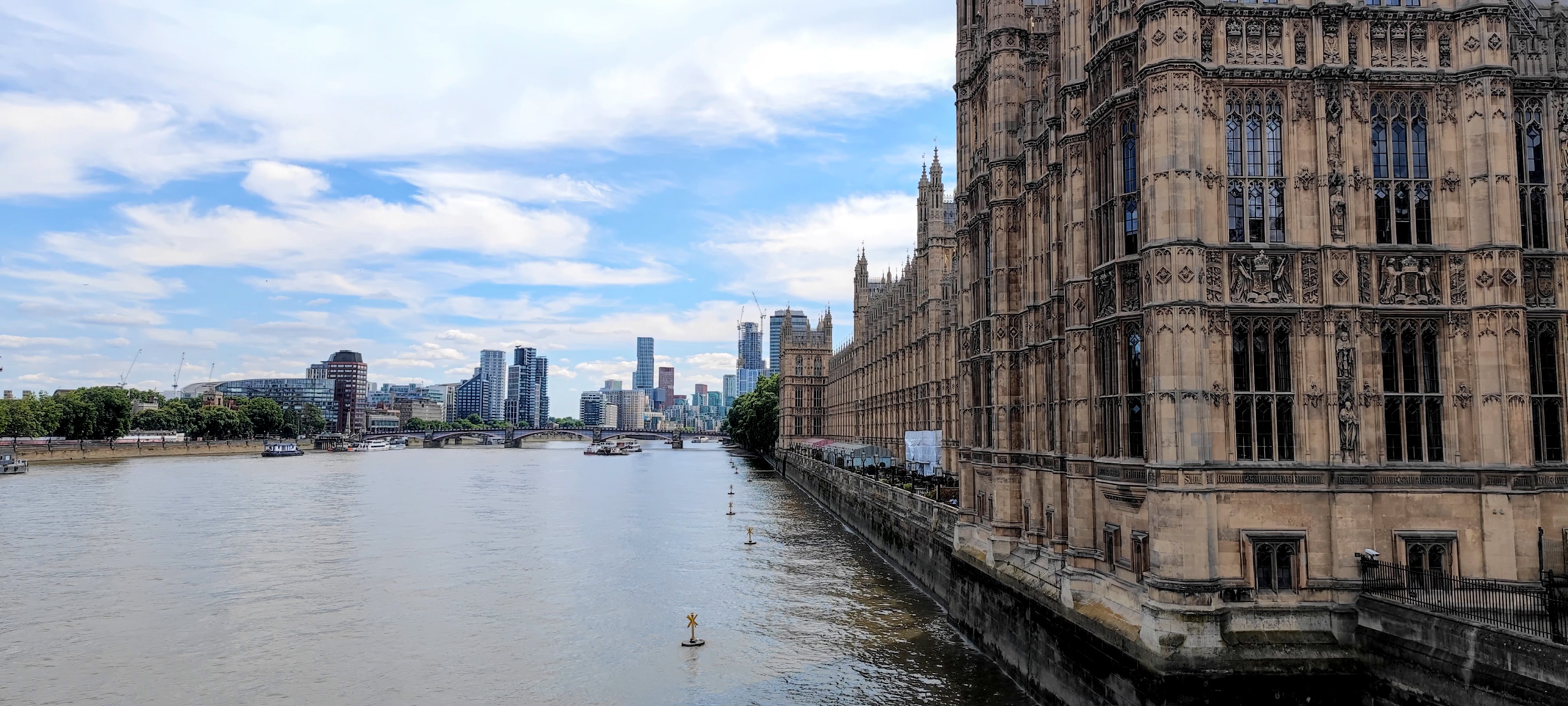
A car can make rural villages and remote landscapes much easier to reach, while adding unnecessary work and expense to a central London stay. UK driving uses the left side of the road and speeds in miles per hour. Plan time to learn the vehicle, local junctions and the different charging schemes rather than making the first drive a rushed one after a flight.
London, United Kingdom · packing4two
Rental paperwork and choosing the right car
A visitor to Great Britain with a full valid licence from outside the European licensing arrangements can generally drive eligible small vehicles for up to 12 months after entry. Northern Ireland has separate licensing arrangements. Carry the original national licence and ask the supplier whether a translation or international permit is required; a permit is not a substitute for the national licence.
An automatic can simplify an unfamiliar driving layout. Choose a vehicle that fits your luggage without being unnecessarily wide for rural lanes. Compare DiscoverCars offers by transmission, pickup and supplier terms. Check age and licence-history conditions, the named driver’s payment card, deposit, excess, additional drivers, ferry travel and border permissions.
Keep left, including after quiet stops
Drive on the left and generally overtake on the right. Recheck your position after leaving a car park, making a turn or restarting on an empty road, particularly if this differs from your usual driving environment.
Adjust mirrors and seat position before moving. Locate the lights, wipers and demister. A passenger can help with navigation while leaving driving decisions to the driver. Allow space from the left kerb: unfamiliar right-hand-drive seating can make vehicle width harder to judge.
Traffic lights and turns
There is no general permission to turn on red, including left turns. At a normal green light, a right turn crosses opposing traffic and requires a safe gap. A green arrow applies in its indicated direction; watch for pedestrians and cyclists when turning.
Read the lane markings before committing to a turn. Do not assume an oncoming driver will turn just because an indicator is flashing. Junction layout and the movement actually authorised by the signal matter more than familiarity with a similarly shaped intersection at home.
Roundabouts and yellow boxes
Circulate clockwise and yield to traffic approaching from the right unless signs or signals direct otherwise. Select the marked lane early and signal left before exiting. Drive around mini-roundabout markings rather than straight over them.
Do not enter a yellow box if your exit is blocked. A defined right-turn exception allows waiting when only opposing traffic or another right-turning vehicle prevents the turn; it is not general permission to block a junction. If you choose the wrong lane, continue safely rather than cutting across traffic.
Speed limits and regional differences
Signs use mph: 20 is about 32 km/h, 30 about 48, 60 about 97 and 70 about 113. For a normal car without a trailer, national limits are 60 on single carriageways and 70 on dual carriageways and motorways, unless another limit applies. The national-speed-limit sign does not mean unrestricted speed.
The usual default on lit urban roads is 30 in England, Scotland and Northern Ireland, but 20 in Wales, unless signed otherwise. Many other places have 20 zones too. Follow local and variable limits. Towing, vans and motorhomes may have different limits, and the legal maximum may still be too fast for conditions.
Parking lines and restricted bays
Single yellow lines restrict waiting during the times on nearby plates or controlled-zone entry signs. Double yellow lines prohibit waiting at any time, subject to defined exceptions. Loading restrictions are separate; do not treat a yellow line as automatic permission for a quick stop.
Red-route markings impose stricter stopping controls during applicable hours. Read the bay sign for permit holders, maximum stay, no-return periods and charging times. Paying through an app does not legalise a prohibited space. Keep crossing zigzags clear and do not obstruct pedestrian access.
Paying for parking with an app
In the RingGo app, choose the location, vehicle registration and parking duration. Match the location code to the sign beside your car rather than relying only on phone positioning. Check the rental car’s current registration and total charge before confirming, then keep the active-session confirmation.
Other operators use different apps. Test registration and payment in advance and use the genuine app rather than an untrusted QR sticker. Remote extensions cannot exceed the location’s maximum stay. Remove the rental registration from parking and automatic-payment accounts when returning the vehicle.
London charges and Scottish emission zones
London’s Congestion Charge and ULEZ are separate schemes. The standard timely-paid Congestion Charge rose to £18 in 2026; late payment, discounts and electric-vehicle arrangements differ. An EV is not automatically exempt from every road charge, and some crossings have their own payments.
Edinburgh, Glasgow, Dundee and Aberdeen emission zones can penalise entry by non-compliant vehicles. They are not simply zones where you buy permission to enter with a polluting car. Check the actual vehicle and hotel approach route; a rental agent’s description of a car as “new” is not a compliance check.
Tolls without a payment booth
Many roads are free, but particular bridges, tunnels and road sections charge separately. Dartford Crossing uses electronic charging, with payment due by midnight on the day after crossing. Use the Dart Charge payment service.
Check whether the rental company pays on your behalf and what administration fee applies. Record the plate and crossing date to avoid both missed and duplicate payments. M6 Toll and other crossings have their own arrangements; no single payment covers every UK toll.
Single-track roads and passing places
On a single-track road, use a passing place on your left or wait opposite one on your right so approaching traffic can enter it. Do not park in a passing place for a photograph.
Slow for blind bends, high hedges and other road users. Let faster traffic pass where safe. Rural navigation estimates do not allow for every meeting manoeuvre, weather delay or photo stop, so build in time rather than overloading the day with destinations.
Fuel, litres and returning the car
Fuel prices are normally displayed in pence per litre, despite road speeds using miles. Petrol and diesel are different fuels; standard 95-octane petrol is generally E10. Check the vehicle’s fuel label and compatibility, not just the nozzle colour.
For a full-to-full rental, plan a filling stop before return and retain the receipt. Automated pumps may temporarily authorise more than the final purchase. If you add the wrong fuel, do not start the engine; contact the supplier’s assistance service.
Electric cars and practical charging stops
The Zapmap app and its charging map help locate connectors and show availability for participating networks. Check the tariff through the provider you actually pay, car-park access hours and post-charge occupancy fees.
Many rapid public chargers offer contactless payment, but not every unit does. Requirements include public chargers of at least 50kW and new chargers of at least 8kW deployed after 24 November 2024. Prepare an operator app where needed. For remote routes, plan a backup charger and confirm the cable and rental return charge level.
Rain, wind and winter planning
Leave more braking space in rain and slow before standing water. Snow and ice can greatly increase stopping distance. A rental is not automatically equipped for mountain conditions: check tyres, warnings and road access before setting out.
Northern winter days are short. Plan by available daylight and conditions, not distance alone. Clear windows and lights and learn the demister controls. Do not enter water of uncertain depth or maintain an ambitious schedule at the expense of feeling in control.
Children, alcohol and breakdowns
Use seat belts. Children normally need an appropriate restraint until age 12 or 135cm tall, whichever comes first. Match the seat to the child and vehicle and arrange it beforehand rather than assuming any booster will fit.
Scotland’s blood-alcohol limit is 50mg per 100ml, versus 80 in England, Wales and Northern Ireland. Our advice is to avoid alcohol when driving. A motorway red X closes that lane. In a breakdown, reach a safe place if possible; if stranded in a live lane and unable to leave safely, stay belted with hazard lights on and call 999. Do not walk among live traffic lanes.
We stayed here on our 2022 family trip. We preferred its spacious, comfortable rooms and the price we found compared with central options, accepting a journey at either end of the day. It is beside Greenwich station, not in central London. Check current room types and prices for your dates. Check rooms and prices on Trip.com