Driving in Italy: Traffic Rules, ZTLs, Parking, Tolls and Car Rental
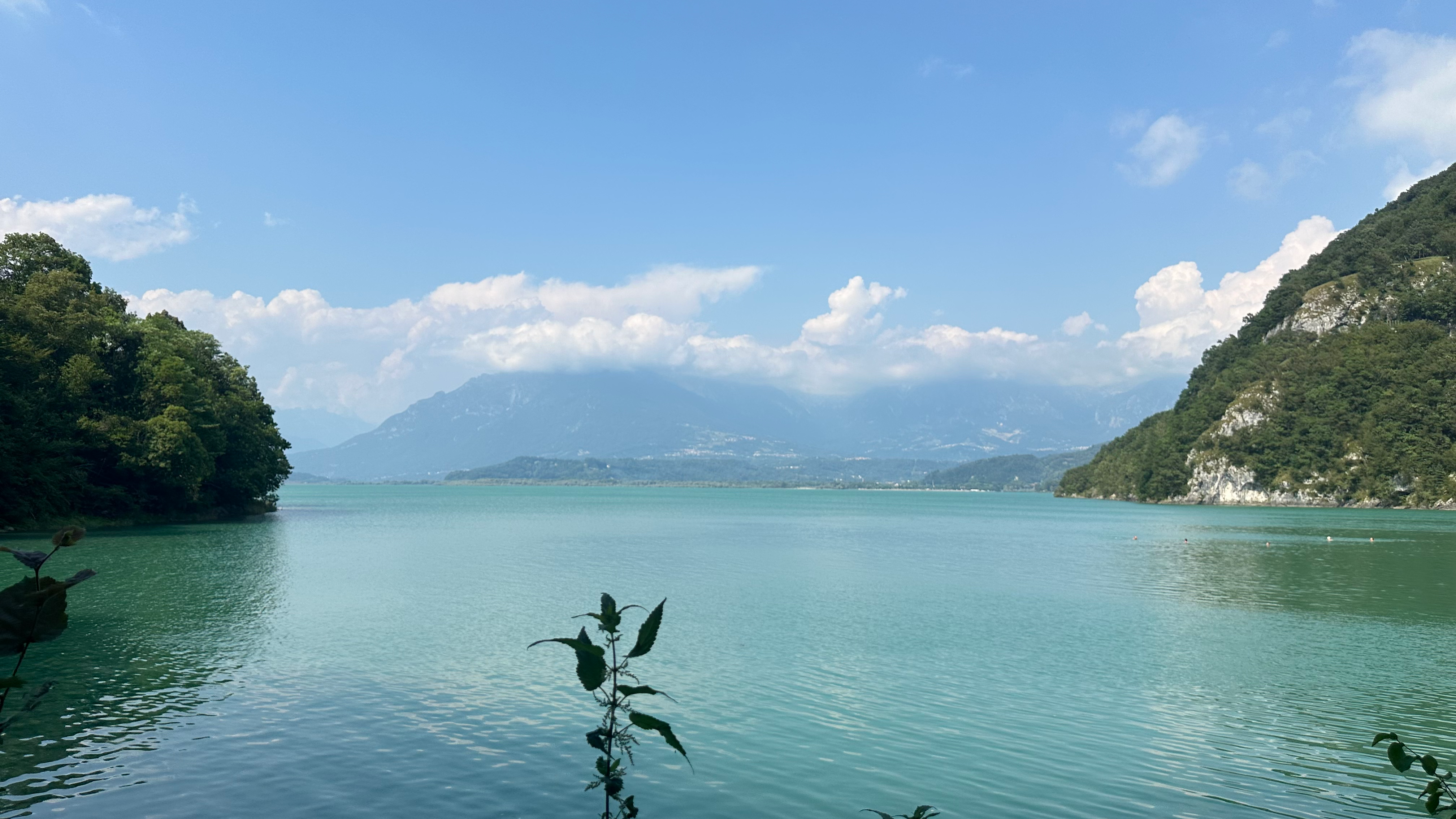
A car can be useful for lakes, mountain scenery and small towns, but inconvenient in historic city centres. Decide which days actually require one before booking. Then check the rules for your licence, vehicle and route, including local restrictions that a navigation app cannot authorise you to ignore.
Lake Santa Croce, Italy · packing4two
Documents and rental conditions
For a non-EU/EEA licence, carry the valid original together with an International Driving Permit or an official Italian translation, subject to the applicable rules. An IDP does not replace the original. EU/EEA visitors should check their own licence validity and any category restrictions.
Use DiscoverCars to compare suppliers after selecting your Italian pickup location and dates. Check the actual supplier’s deposit, accepted cards, excess, fuel policy, mileage, additional-driver fees and one-way charges. Reimbursement cover does not necessarily waive the supplier’s deposit.
Confirm automatic transmission if you need it. Choose a manageable car for narrow streets and parking as well as enough luggage space. Obtain written permission for borders or ferries, inspect and photograph the car at pickup, and keep the supplier’s assistance number.
Traffic lights and turns
Drive on the right. There is no general permission to turn right on red. Stop and wait for a signal allowing your movement. A normal green light is not a guarantee of a protected left turn: yield to conflicting oncoming traffic and authorised pedestrian or cycle crossings. Directional arrows apply to their indicated movement. Do not enter an intersection you cannot clear.
Junctions and roundabouts
Unless signs specify otherwise, give way to the right. At roundabouts, entry signs and markings determine priority; do not assume every roundabout follows the same arrangement.
Slow before entry, follow lane markings and signal when leaving. Never cut across a vehicle beside you to reach an exit. Watch for pedestrians just beyond the exit.
Speed limits and units
Distances use kilometres and speeds km/h. General passenger-car limits are 50 in built-up areas, 90 on secondary rural roads, 110 on main extra-urban roads and 130 on motorways. During precipitation, the latter two fall to 90 and 110. Signs, driver status and vehicle category can impose lower limits.
Road appearance alone does not define its legal category. Watch for 30 zones, works and temporary changes. Maintain a steady legal speed rather than braking abruptly around cameras.
ZTL: restricted access is not a navigation suggestion
A Zona a Traffico Limitato may be camera-controlled and active at specified times. Read the restriction sign and exceptions; following a local car does not establish your right to enter.
For accommodation inside a ZTL, ask which route and hours are permitted and whether the property has actually registered your number plate. A hotel booking, parking reservation or electric powertrain does not automatically grant access. Brief luggage drop-offs can still breach the restriction.
Local differences and Milan
National road rules coexist with local parking, emissions and seasonal restrictions. Milan’s Area B and Area C have different access arrangements; check eligibility, registration and payment against the actual vehicle and travel date.
Do not transfer an exemption from one city to another, or assume a previous visit’s rules still apply. A car park outside the controlled zone can be a simpler base for public transport into the centre.
Parking colours and apps
Blue bays generally require payment. White bays are generally free but may have time or eligibility restrictions; yellow bays are reserved. Read the sign as well as the paint. A Disco orario requirement means displaying an arrival time and respecting the permitted stay.
In Milan, the EasyPark, MooneyGo and Telepass apps support parking payments. In the EasyPark app, register your vehicle and payment method, match the zone code to the sign, set a duration and confirm the session is active. Service fees may apply. Extending in the app does not override a local maximum stay.
Check the registration after a rental-car change. Remove a returned car from automatic-payment accounts. Where an app is not supported, use the method shown on the meter or sign.
Motorway toll gates
On ticketed routes, keep the entry ticket and pay on exit. Blue lanes take cards; white lanes indicate cash, sometimes with additional card options; yellow lanes are for compatible electronic toll devices. Read the symbols. Without an active arrangement, do not choose a device-only lane. If you enter the wrong lane, request assistance and never reverse.
Barrier-free tolls
Pedemontana Lombarda uses number-plate-based Free Flow tolling. Without a valid automatic arrangement, payment is due within 15 consecutive calendar days of travel. Check the plate, registration country and journeys in the official payment system. Ask whether your rental supplier has arranged payment; do not assume either that the road is free or that the supplier will automatically settle it.
Fuel and service stations
Self-service and attended pumps can have different prices; read the price for your chosen lane.
Benzina means petrol, Gasolio diesel and GPL liquefied petroleum gas. Check the vehicle’s fuel label rather than relying on nozzle colours. Automated pumps may place a temporary card authorisation; compare the eventual charge with the receipt. Keep a final fuel receipt when returning a full-to-full rental.
Electric rental cars
The Enel On Your Way app provides charging-location searches with connector, power and availability information. The Plenitude On The Road app is another option, including app or compatible-card activation and access information. Check the price through the provider you actually use. Before setting out, check Enel’s charging map.
Confirm the vehicle’s connectors, whether an AC cable is included and the required return battery level. Check per-kWh pricing, post-charge occupancy fees and car-park access hours. Arrange hotel charging in advance, test your account and payment method before pickup, and keep a backup charging stop.
Winter, mountains and headlights
Winter equipment requirements apply on designated roads; a common period is 15 November–15 April, but local orders can differ. Confirm suitable tyres or chains and current mountain-pass access.
Daytime lighting is required outside built-up areas, with DRLs permitted in suitable conditions. Tunnels and poor visibility require the appropriate full lighting, so check rather than relying blindly on Auto.
Slow down and increase spacing in rain, snow, ice or fog. On long descents, use engine braking as appropriate for the vehicle. Change or postpone the route if conditions exceed your experience.
Alcohol, children and safe preparation
The general alcohol limit is 0.5 g/l of blood; zero applies to under-21s, drivers in their first three licence years and specified professional categories. Our recommendation is simpler: do not drink when driving.
Children below 1.50 m need an approved suitable restraint. An Italian-registered car carrying a child under four also requires an anti-abandonment alarm device; ask the rental company to confirm compliant equipment.
Set navigation while safely parked and do not operate a handheld phone while driving. Know where the warning triangle and reflective vest are stored. Keep the rental assistance number; call 112 in an emergency. A supplier’s fee for processing a traffic notice can be separate from the actual fine.
Rent for the part of the trip that benefits
For city-centre museums and pedestrian streets, consider leaving the car outside or renting only for the countryside. When a car fits the plan, compare DiscoverCars offers by total cost and supplier terms, not the daily headline alone.
We stayed at Mercure Roma Piazza Bologna and recommend it. Check room arrangements and the complete price for your dates. Check the hotel