Electricity in the United States: A/B Plugs, 120V and Adapters
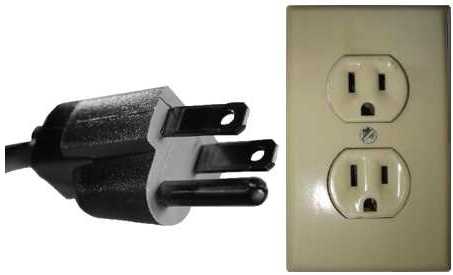
US wall outlets normally supply 120V at 60Hz through North American connections. Many modern chargers need only the correct plug, while single-voltage appliances may need a different solution.
Type A and B connections
Type A has two flat blades; B adds an earth pin and corresponding socket opening. An A plug can fit a B socket without acquiring an earth connection.
Pack an appropriate quality North American adapter. The photographs explain the shapes, not the safety or condition of every individual outlet.
When an adapter is enough
A charger rated INPUT 100–240V, 50/60Hz suits local mains with the right plug connection. Check phones, laptops, camera and battery chargers individually.
Equipment requiring earth needs an adapter preserving it. A two-pin adapter or removal of the third pin is not a safe substitute.
Type B plug and socket: two flat blades plus an earth pin, the common earthed connection in the United States. · Conrad H. McGregor / Chameleon · Public domain · Unmodified

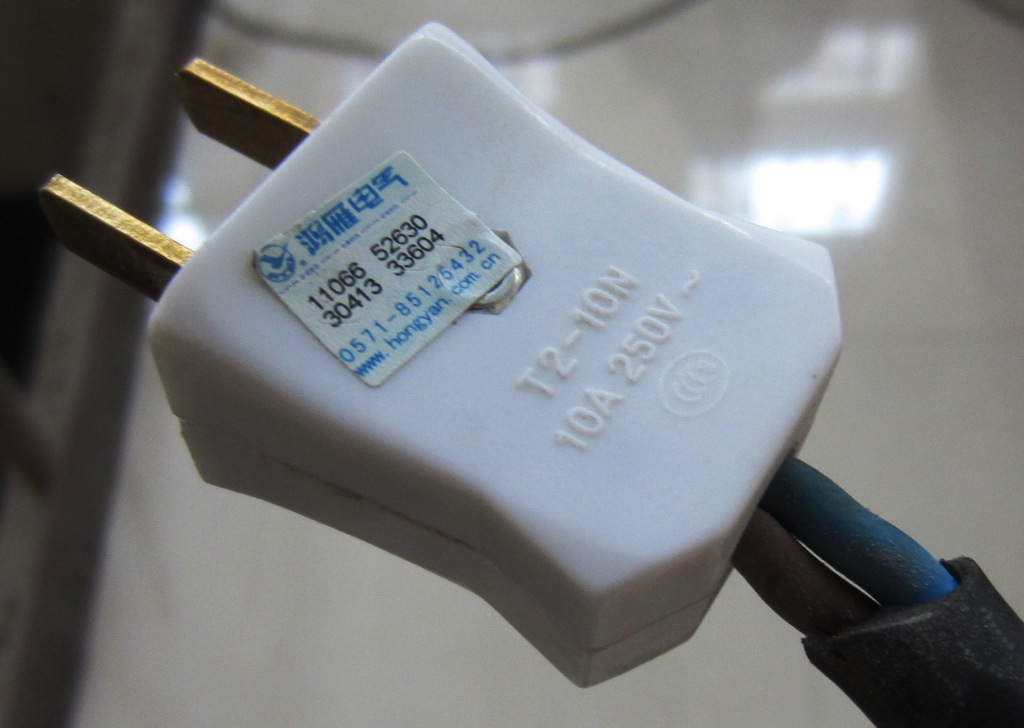
A Type A shape reference with two flat blades and no earth. The rating printed on this example is not the US 120V mains voltage. · Wtshymanski · CC BY-SA 3.0 · Unmodified

Voltage incompatibility
A 220–240V-only appliance may not function properly on 120V. A plug adapter is not a transformer, and frequency differences can also affect motors and other equipment.
Without explicit compatibility, consult the manufacturer or use local equipment. A small travel converter may not support a high-power appliance.
Hairdryers and heating appliances
Hairdryers, kettles and coffee machines can draw substantial power. Accommodation-provided equipment is often the simplest option. Manually switched dual-voltage appliances must be set correctly while unplugged.
A US 120V-only purchase must not be connected directly to 230V mains abroad using only a shape adapter.
GFCI bathroom outlets
TEST and RESET buttons generally identify leakage protection, not a voltage selector. If protection trips repeatedly, disconnect the equipment and seek help.
Keep devices away from water, avoid damaged outlets and never load several heating appliances onto a travel extension block.
Hotels, cabins and campsites
Ask whether sockets are controlled by a room switch or key card. Older USB outlets may charge slowly, so bring your own suitable charger.
RV connections have different shapes, current ratings and sometimes voltages. Use equipment specified by the rental company and campground, not improvised phone adapters.
Outages and wildfire conditions
In California, check PG&E service-area outage updates. This does not cover the whole US or every part of California. Ask your accommodation which distributor serves it.
Storms and wildfires can affect both power and access. Essential equipment and refrigerated medicines need advance backup arrangements; a hotel generator may not power every room outlet.
Road-trip charging
Carry a power bank, sound cables and offline addresses. Keep phones and batteries out of direct sun in parked vehicles, especially on desert routes.
An EV needs a compatible charger and connector, not a phone adapter. Check CCS1/NACS compatibility, payment and any hotel charging arrangement beforehand.
Samesun San Francisco is among our approved accommodation recommendations. Check room and bathroom arrangements and the final price; not every room type suits a family equally. Check rooms on Trip.com