Driving in Austria: Vignettes, Mountain Roads, Parking and Road Rules
Austria drives on the right and uses kilometres. A rental is useful for lakes, valleys and villages, but a city-only stay may be easier without one. Plan for the distinction between general motorway access and special section tolls, and do not assume that a green light always gives a protected turn.
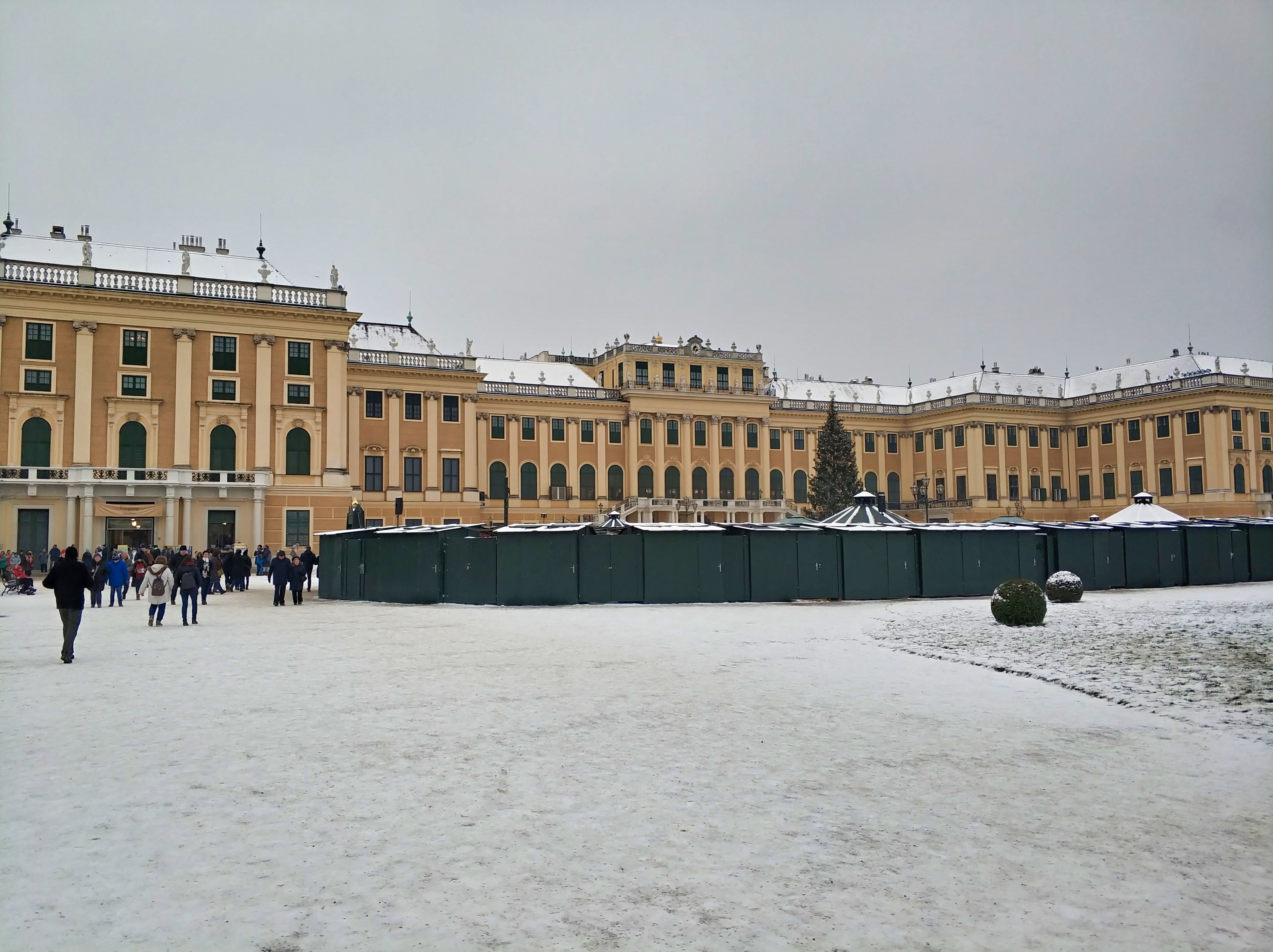
Schonbrunn Palace, Vienna, Austria · packing4two
Deciding when to rent
For Vienna alone, public transport can remove the need for a car. Collecting one for the countryside portion may save several days of parking charges. Compare the complete route and accommodation costs.
Use DiscoverCars to compare rentals, then read the actual supplier conditions for deposits, excess, mileage, winter equipment and cross-border permission. Establish exactly which toll products, if any, are already included.
Driving documents and rental conditions
Carry your valid original licence and identification. EEA licences are recognised; other licences can require an international driving permit or suitable translation depending on the document and applicable rules. Confirm requirements with the supplier before collecting the car. An IDP does not replace the original licence.
Check age restrictions, the deposit card type and cardholder name, and register every additional driver. A phone photograph is not an automatic substitute for originals. A rental collected abroad needs permission and insurance coverage for Austria.
Traffic lights and unprotected turns
There is no general right turn on red for cars. Red with amber still means wait. Flashing green warns that the green phase is ending; it is not a signal to accelerate.
When turning left on a normal green signal, yield to opposing traffic travelling straight or turning right. Watch for pedestrians and cyclists legally crossing during turns. Follow any separate lane or direction signal rather than applying a rule from your home country.
Priority and roundabouts
At an otherwise uncontrolled junction, priority generally goes to traffic from the right. Most roundabout entrances have give-way signs, which require entering traffic to wait. Without those signs, do not automatically assume priority belongs to traffic already circulating.
Travel anticlockwise and indicate when leaving. Follow lane arrows and do not cut across another lane to exit. Trams, pedestrian crossings and cycle crossings need their own attention.
Speed limits and IG-L restrictions
For an ordinary passenger car with no other signed restriction, the usual limits are 50 km/h in built-up areas, 100 outside and 130 on motorways. Posted limits, variable signs and conditions can require lower speeds.
IG-L identifies an air-quality-related restriction. It remains relevant when traffic is light. Certain EV exemptions are conditional; an electric powertrain or rental contract does not grant a universal exemption.
Vignette validity before entering
Most motorways and S-roads require a vignette for vehicles up to 3.5 tonnes. Options cover one day, ten days, two months or a year. A one-day product covers a calendar day, not a rolling 24-hour period.
For consumer online purchases, digital two-month and annual products start no earlier than the 18th day after purchase. One-day and ten-day products can start immediately. Check plate, registration country and start date carefully, and use ASFINAG’s live validity check for an existing digital product.
Separate section tolls
Special sections such as Brenner, Tauern and Karawanken have separate toll arrangements. A vignette does not pay these, and a section-toll purchase does not replace a vignette on approach roads that require one.
Budget for the actual roads, not just rental days. Vehicles above 3.5 tonnes can fall under GO toll rules; establish the documented classification of a motorhome rather than judging its size by appearance.
Vienna parking and the HANDYPARKEN app
Across most of Vienna, ordinary visitor street parking is paid Monday–Friday excluding public holidays, 09:00–22:00, with a two-hour limit. Shopping streets, resident spaces and some areas have exceptions. Zone-entry signs can apply without a repeated sign beside every space.
In the HANDYPARKEN app, select the correct plate and zone, arrange payment or credit and wait for confirmation. Test foreign-phone and card support beforehand. From 2026 the hourly fee is €3.40; old lower-value paper vouchers ceased to be accepted after June 2026. Use a garage or Park & Ride for a longer stay.
Creating an emergency corridor
When traffic slows towards a standstill on a motorway or expressway with at least two lanes in your direction, form a Rettungsgasse: the leftmost lane moves left and every other lane moves right.
Keep the corridor between the leftmost lane and the rest clear before emergency vehicles arrive. Do not use it to pass traffic or follow a rescue vehicle. Leave manoeuvring space as queues develop.
Winter tyres and chains
Between 1 November and 15 April, passenger vehicles up to 3.5 tonnes need winter tyres on all wheels in wintry road conditions such as snow, slush or ice. Check suitable markings and at least 4 mm tread on ordinary radial winter tyres.
Chains are an alternative only with a suitable continuous snow or ice covering, not a substitute for winter tyres on a mixed dry-road journey. Obey mandatory-chain signs. Four-wheel drive does not cancel equipment requirements.
Mountain roads and restricted access
Allow extra time for bends and changing weather, use an appropriate gear downhill and stop for photographs only where safe and permitted. A pass may close seasonally even when nearby destinations remain accessible.
Do not enter pedestrian or restricted roads solely because navigation suggests them. Supplementary plates may limit permission to residents or specific journeys. Ask the accommodation for its lawful approach route; a booking does not automatically grant vehicle access.
Fuel and electric charging
Super 95, E5 and E10 identify petrol; Diesel is diesel fuel. Match the vehicle’s label rather than a familiar pump colour. Unattended pumps may temporarily pre-authorise an amount on your card.
The SMATRICS app helps locate stations and inspect connectors and tariffs. Eligible stations also offer online direct card payment. Check Type 2 or CCS2 compatibility, energy charges and time-based extras. Keep a battery reserve and alternative station for cold weather or mountain routes.
Children, alcohol and essential equipment
Children under 14 and shorter than 135 cm need an appropriate restraint. Check belt fit even above that threshold. A rear-facing child seat in front requires deactivating the passenger frontal airbag.
The ordinary alcohol limit is below 0.5 g/l of blood, with a 0.1 limit in certain categories. Avoid alcohol when driving. Confirm the warning triangle, reflective vest and first-aid kit, and keep the rental assistance number accessible. The general emergency number is 112.
Hotel Mercure Wien Westbahnhof is one of the hotels we stayed at in Vienna and recommend. Compare the room for your party, breakfast and the total including local accommodation tax. Check the hotel on Trip.com