Three Days in Saint Louis
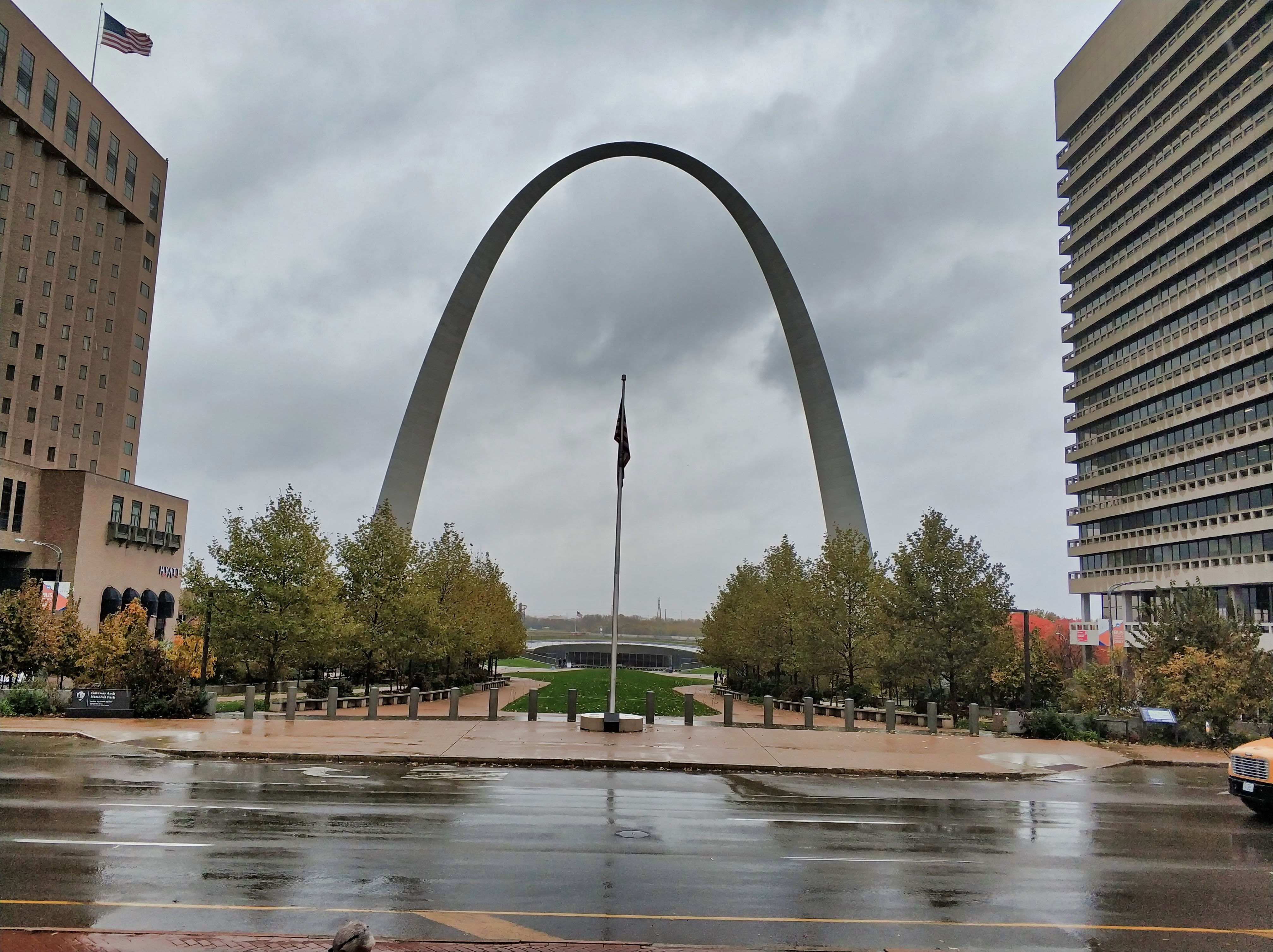
St. Louis used to be one of the most important cities in the USA. It was the starting point for many explorers who wanted to learn the secrets of the west, a significant base for the Blues music genre, especially the Saint Louis Blues subgenre.
The area was a central site for the historical American Indian Mississippian culture. A few significant events regarding abolishing slavery in America have started here.
Today, the city is divided into many neighborhoods – each one with its character and style. My three-day visit couldn't cover the entire options the city has to offer. So I will only write about the places I've visited without passing judgment on the whole town.
We needed three flights (23 hours total) to get to Saint Louis for Liat to attend her conference: Lessons and Legacies XV. We arrived exhausted and went to sleep right away. We planned to take advantage of the first day to visit several exciting sites in the city – Liat had time until the evening. Unfortunately, the weather changed our plans a bit - blowy winds and rain made it impossible for us to tour anywhere without a roof.
So, our first site was the city's icon – The Gateway Arch. It took us some time to find where to park and how to get there. Apparently, the entrance has changed, and now it's in front of the Old Courthouse.
Wind and rain led us to start our first day at the Gateway Arch. Riding the small tram car was an unusual experience, with the city and Mississippi River spread out below the observation deck, about 192 metres high. We also explored the museum beneath the Arch. For a visit today, reserve the tram ahead and check accessibility and visitor requirements.
Afterward, we visited the new museum they built under the Arch. The museum tells the story of the large icon and the background story: the journeys that set out from here to explore the west and to expand the territory of the United States of America.
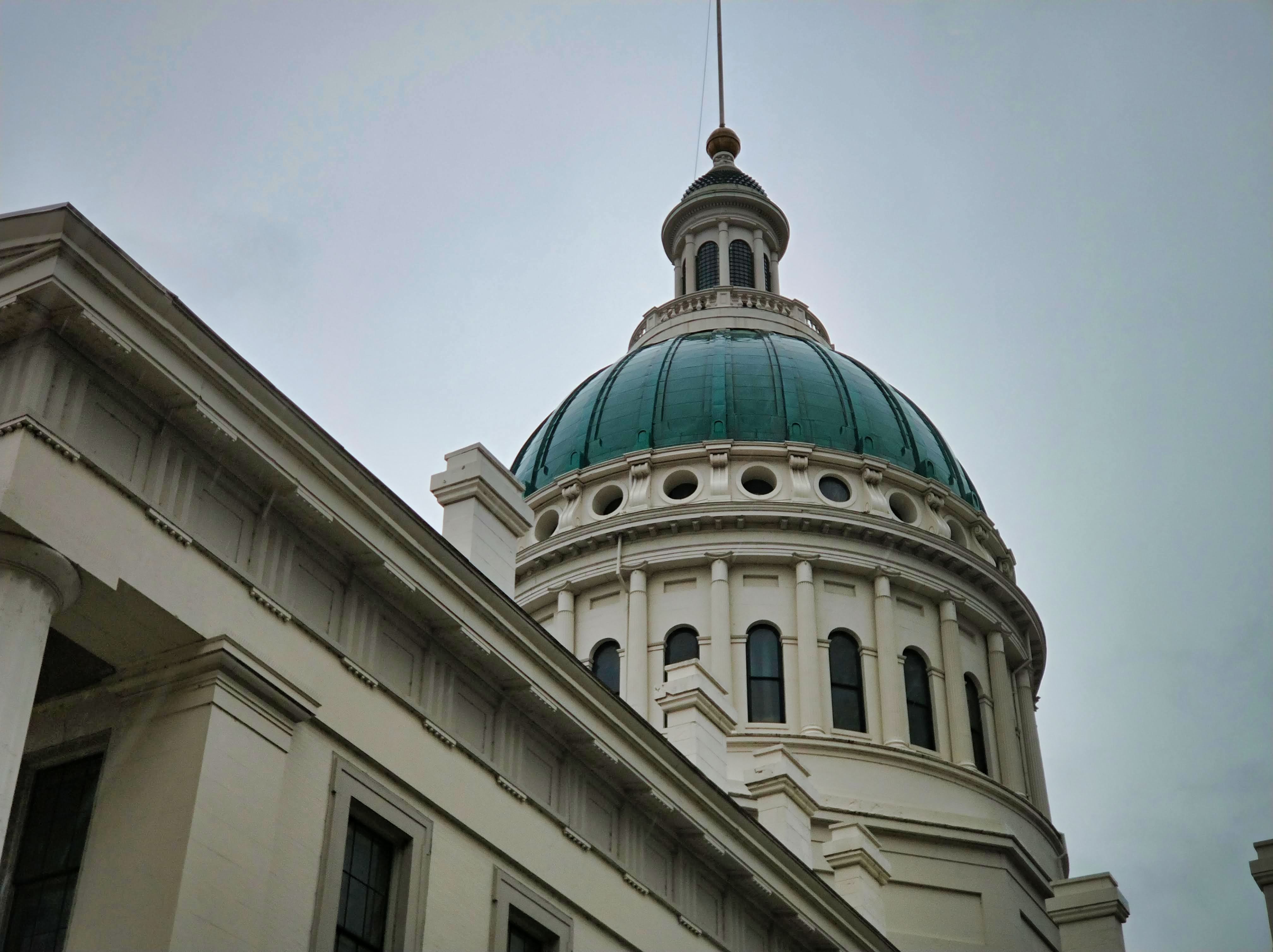
We continued to the Old Courthouse, where Dred and Harriet Scott began their legal struggle for freedom. The Supreme Court’s 1857 decision intensified the conflict over slavery, contributing to the crisis before the Civil War. Since our visit, the building has been renovated and reopened in May 2025 with new exhibitions.
The courthouse also tells the story of Virginia Minor’s campaign for women’s voting rights.
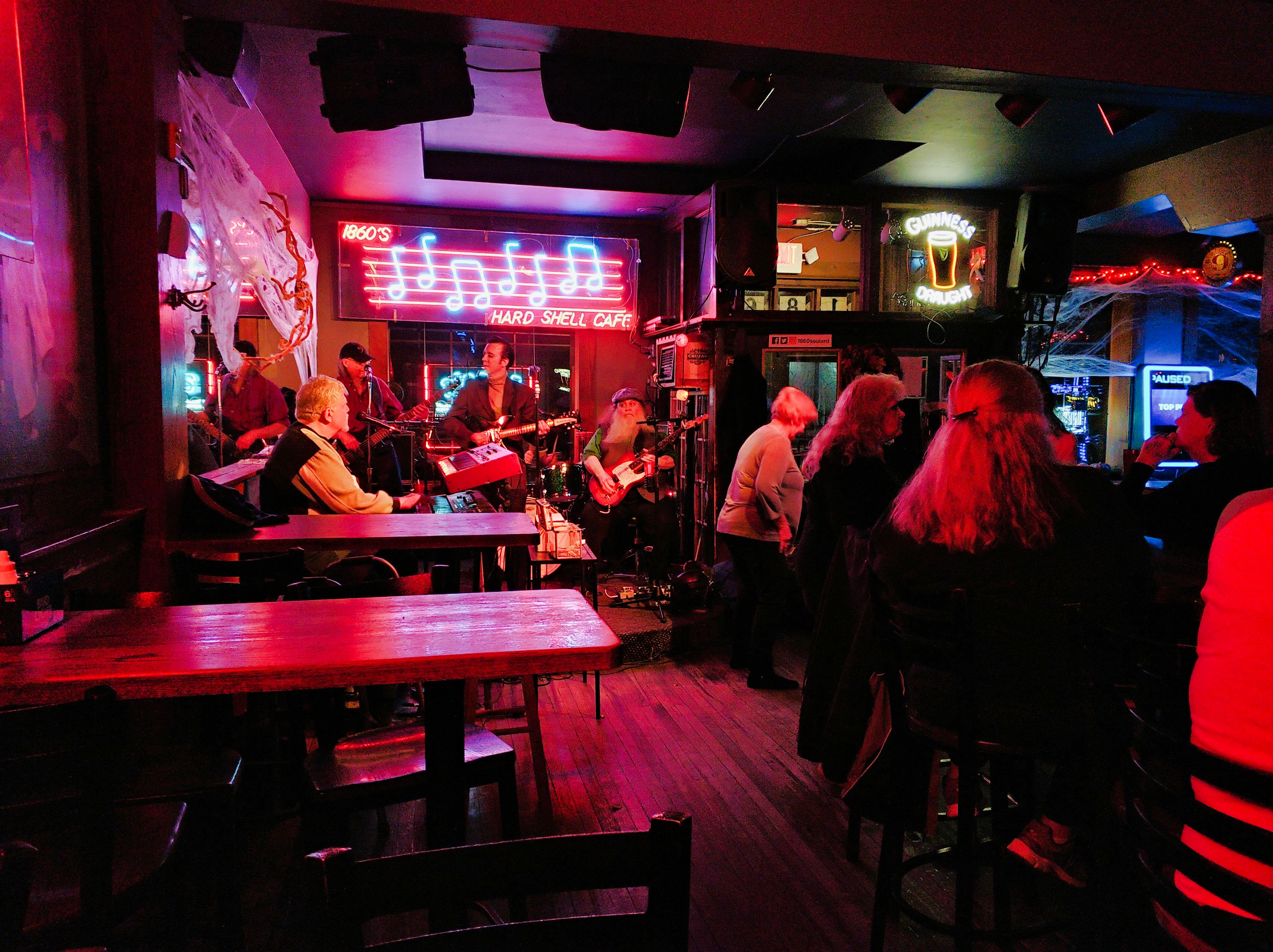
In the evening, we went for a drink and a live music show in the Soulard neighborhood. There is a cluster of bars with live music performances - we skipped between several bars and chose one with a pleasant and less drunken atmosphere.
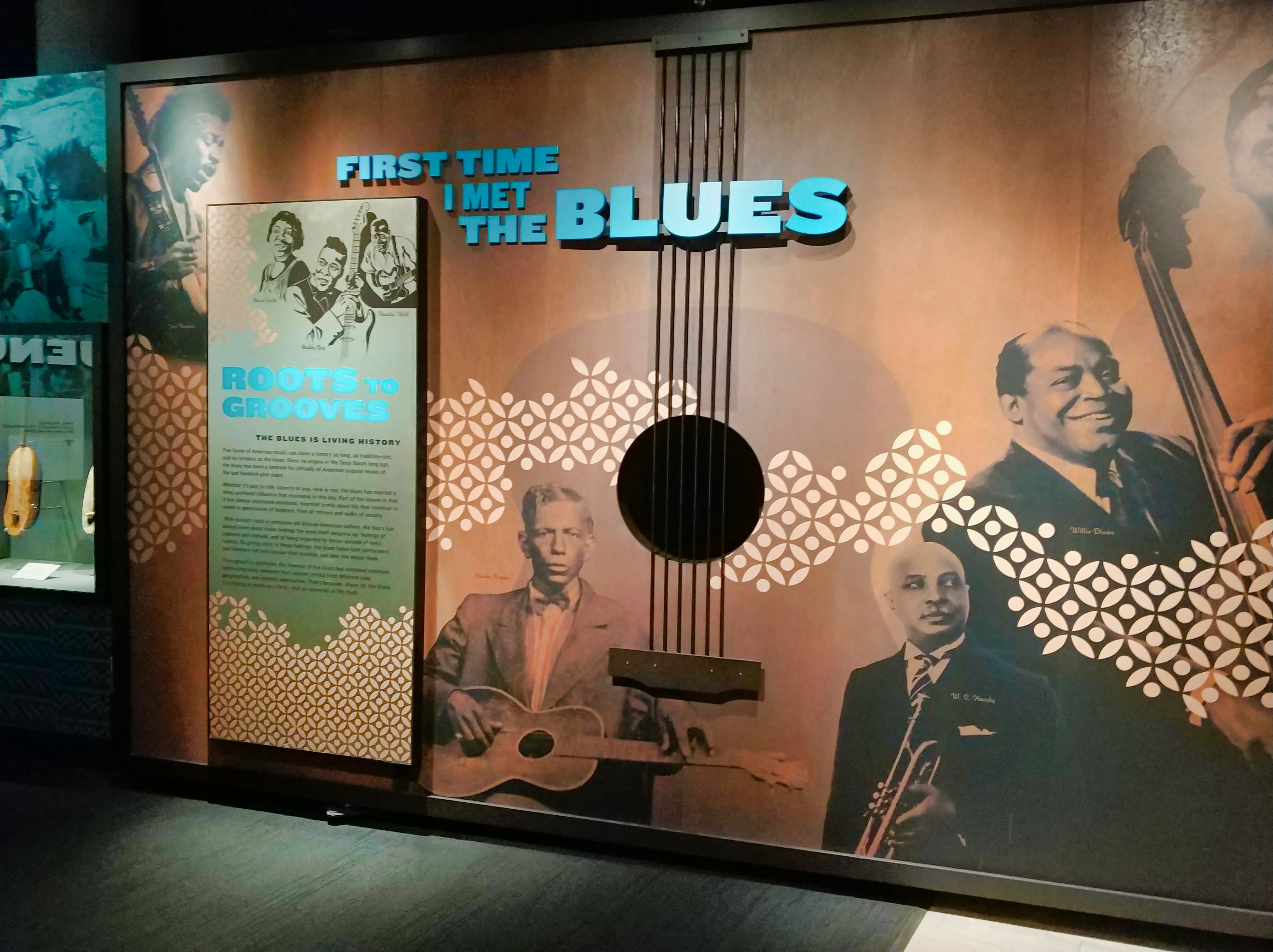
I spent about an hour at the National Blues Museum in 2018. Learning about the music’s roots and musicians was interesting, but the displays moved me less than I had hoped. Blues fans may enjoy it; with limited time, I would personally prioritise the Arch, Botanical Garden and Cahokia.
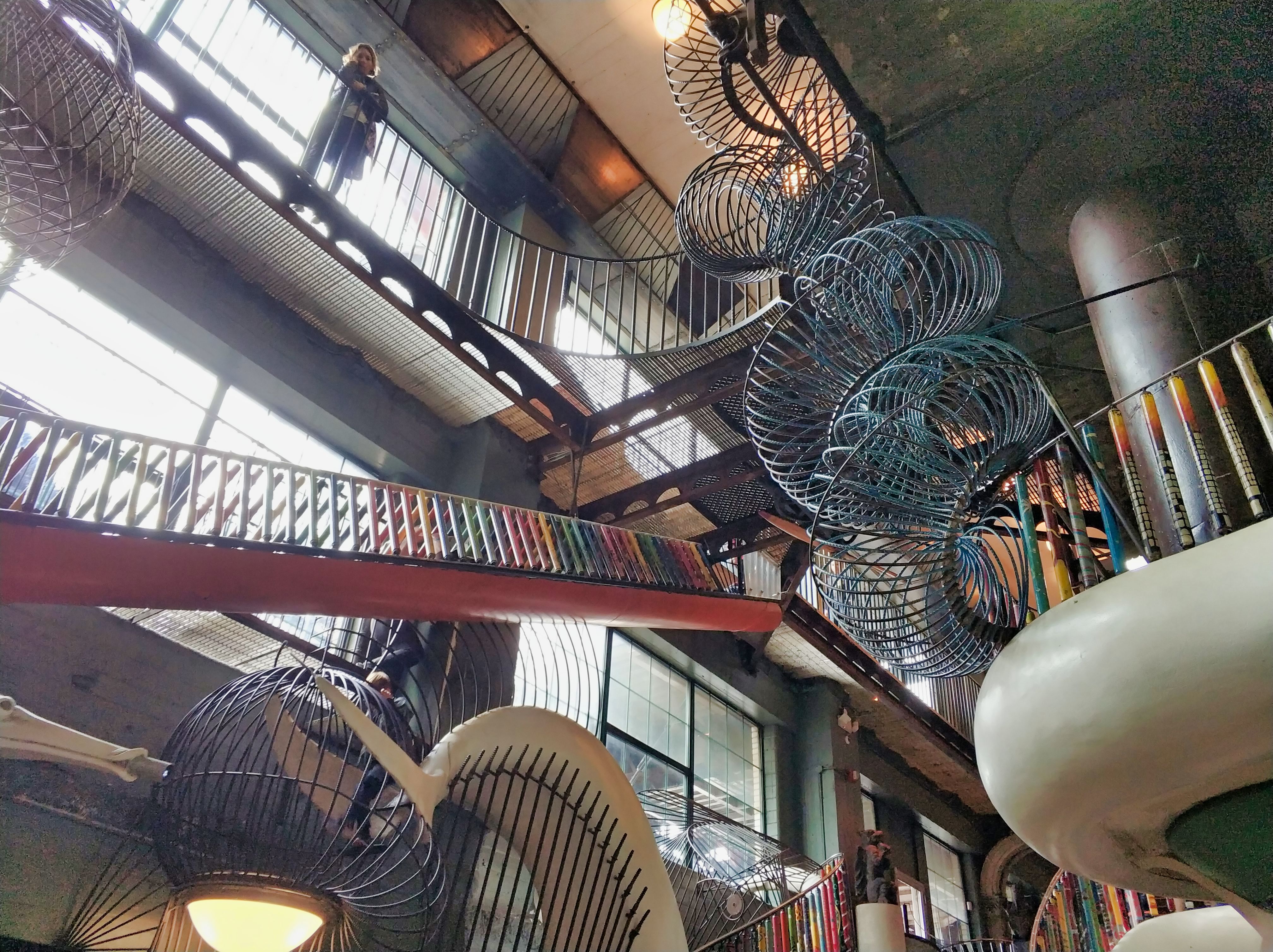
The name City Museum led me to expect a conventional history museum, so its tunnels, slides and climbing structures surprised me. It was not quite my thing in 2018, but children and adults who enjoy climbing and exploration may love it. Wear closed shoes and comfortable clothes. Check what is open on the day, particularly outdoors and on the roof. See admission on Tiqets; the ticket checked here excludes the rooftop.
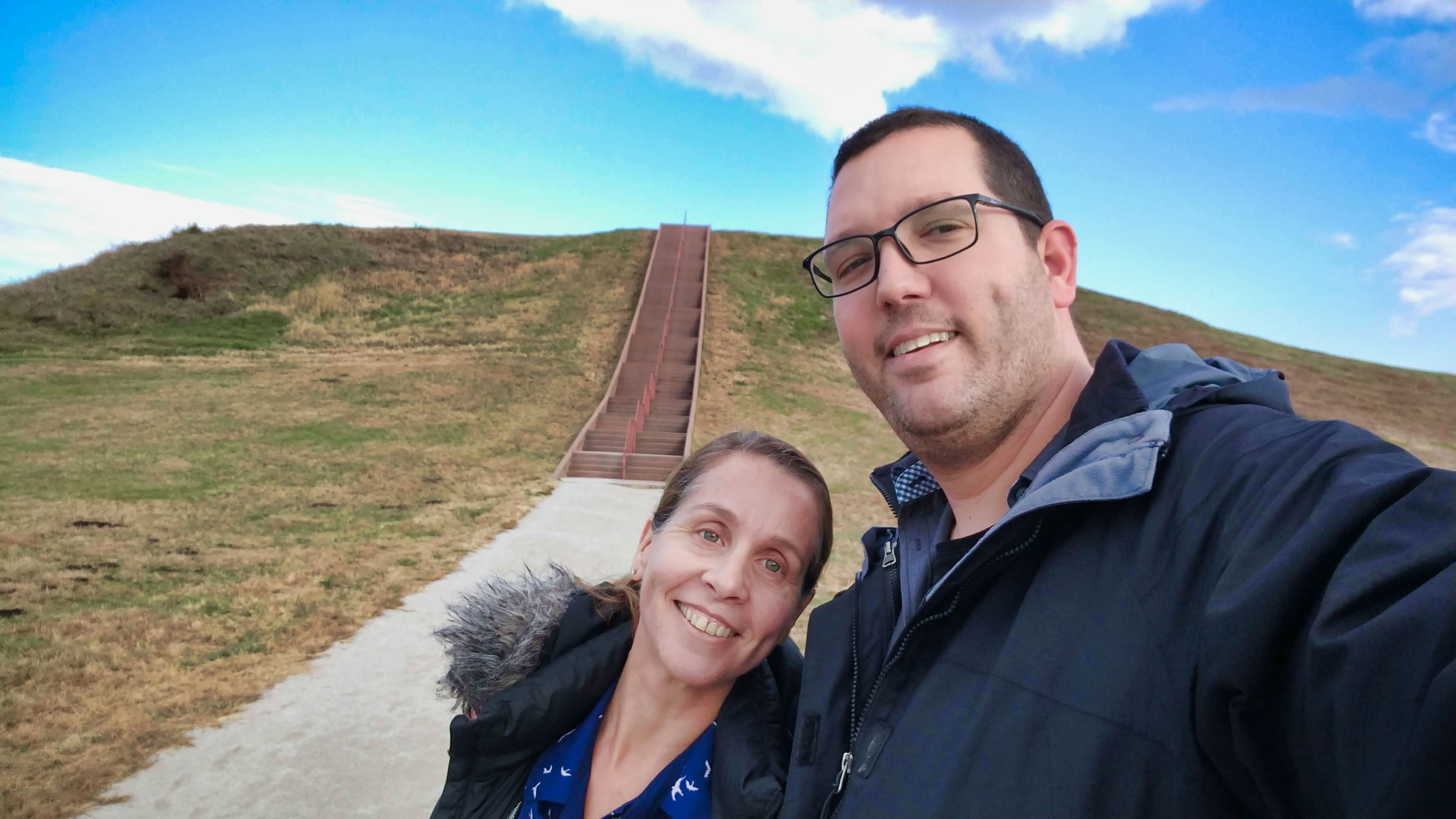
When Liat joined me, we drove to Cahokia in Illinois. The remains of a major Indigenous city and impressive Monks Mound made this one of the most fascinating visits of our trip. The interpretive centre now operates partially while exhibits are being updated. Check access to the centre and grounds, and bring comfortable shoes and water.
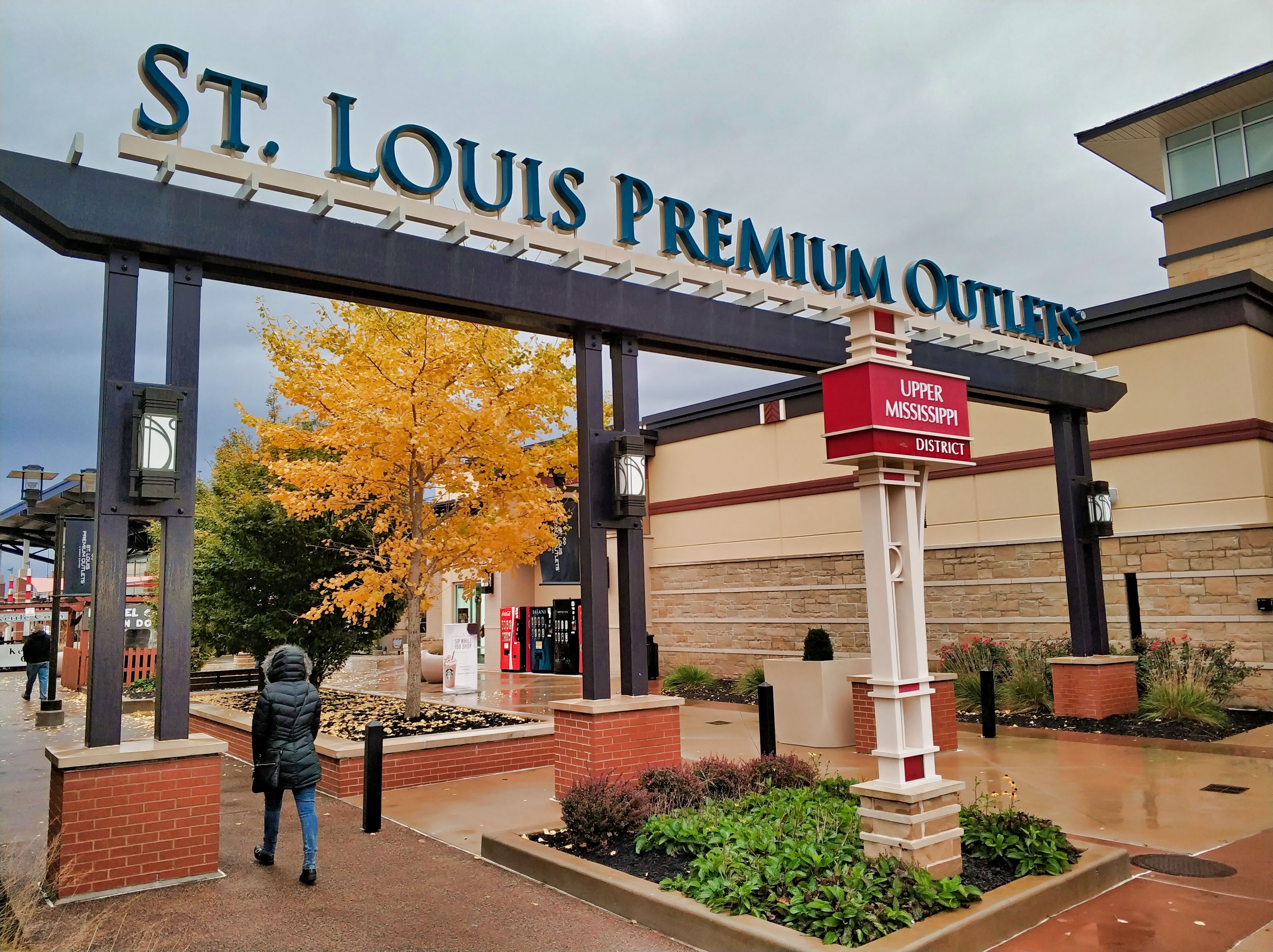
Afterward, it was already 17:00 – the closing time of most museums in the city – so we drove to the Outlets Premium mall in Chesterfield, a 20-30 minutes drive from Saint Louis. We found some great deals over there. Finally, we closed the day in an Italian Restaurant nearby.
I wanted to start my last day in St. Louis, Saturday, with breakfast in one of the many farmer's markets in town. I chose the closest to my hotel: The Midtown Farmers Market. However, I must say it was a big disappointment: a small market with an inadequate supply, everything looks very sleepy. If you want to visit a market in Saint Louis – try one of the others.
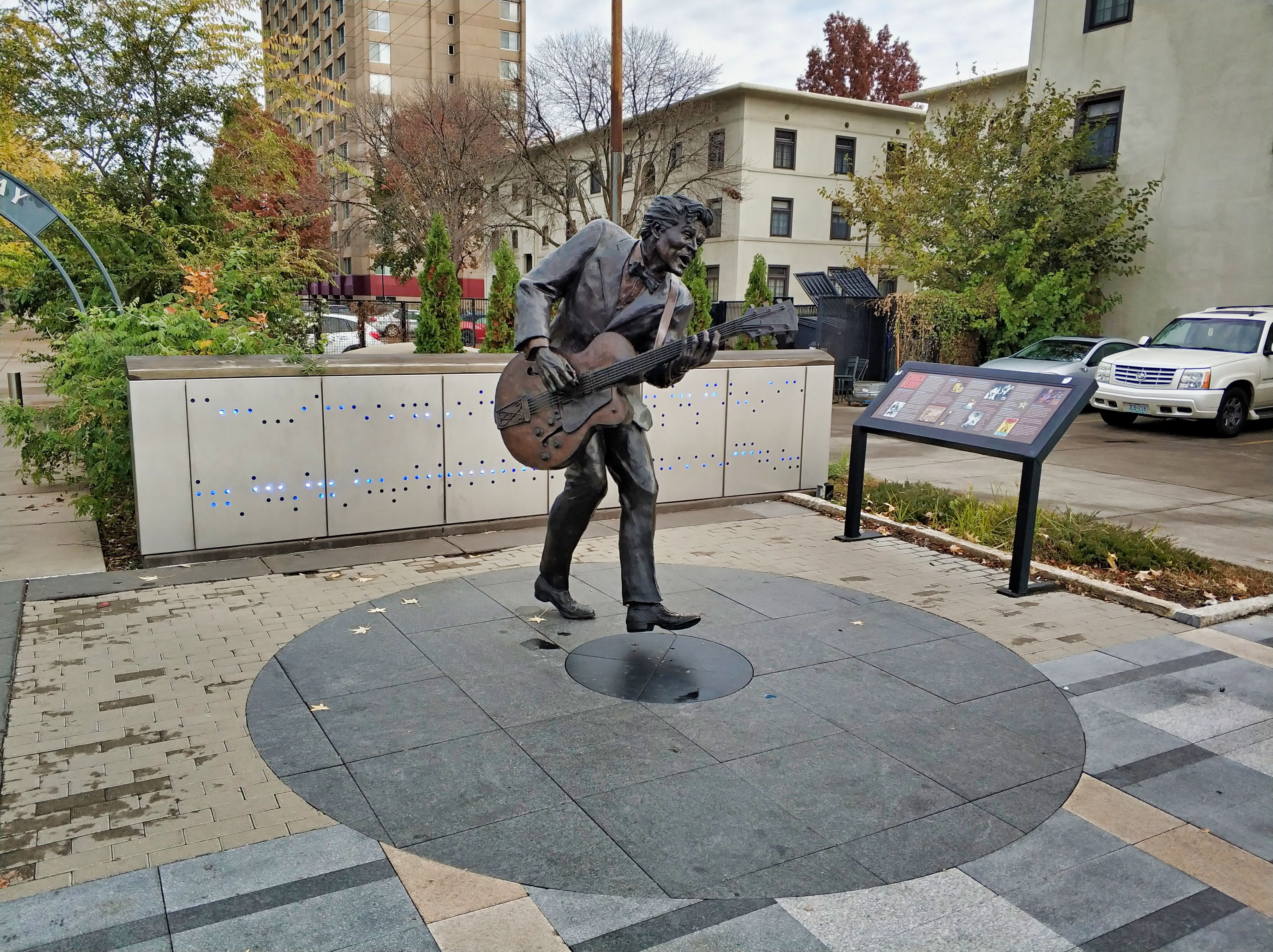
The Delmar Loop is a shopping, dining and entertainment district along Delmar Boulevard, with the local Walk of Fame set into its pavements. We looked for Tina Turner and Chuck Berry and saw Berry’s statue too. It was fairly quiet that Saturday morning, so we did not experience the lively atmosphere we had expected.
A lovely stroll in the Missouri Botanical Gardens cheered me up. A charming place, beautiful and calm. I could have stayed there for the whole day.
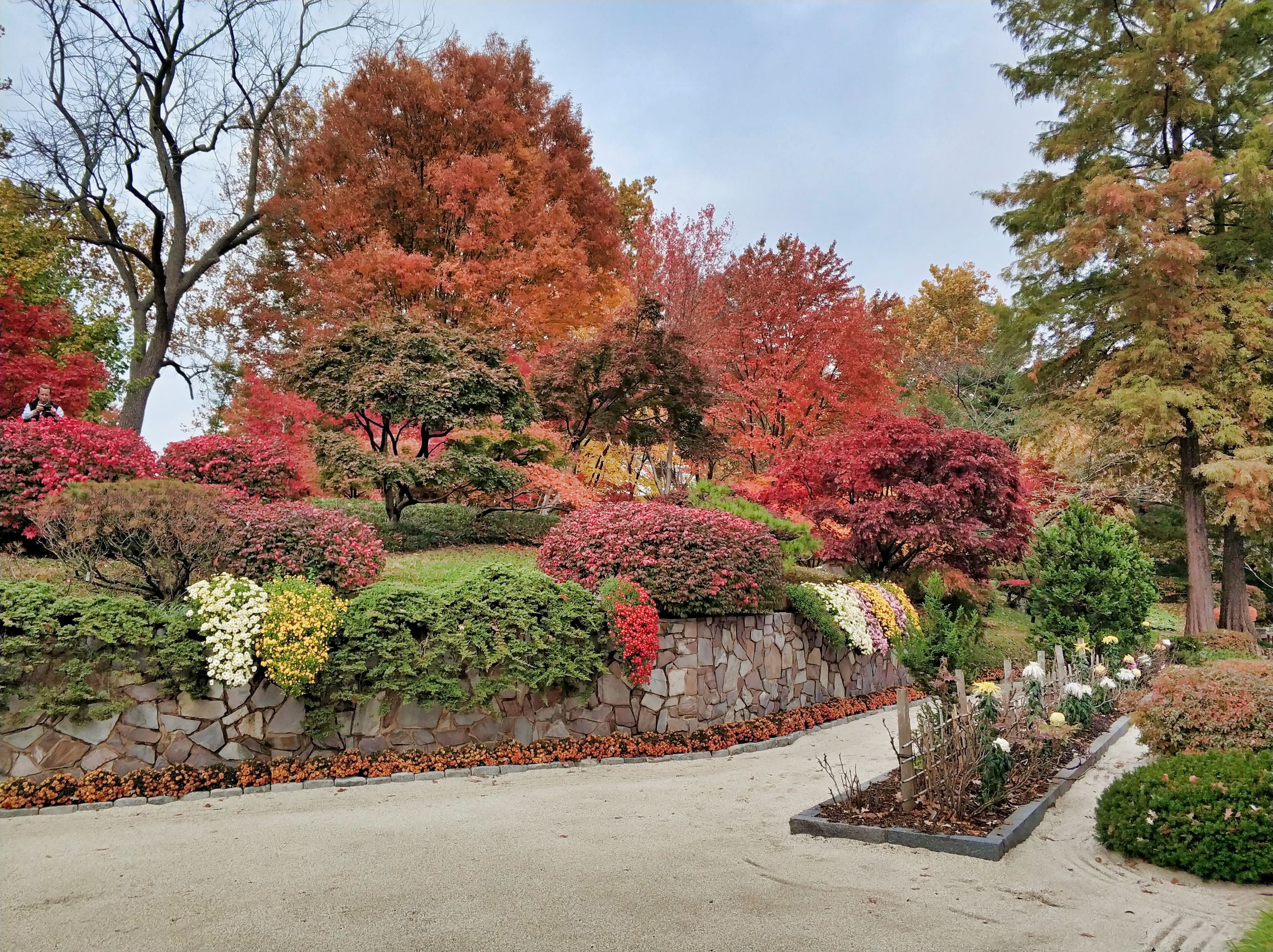
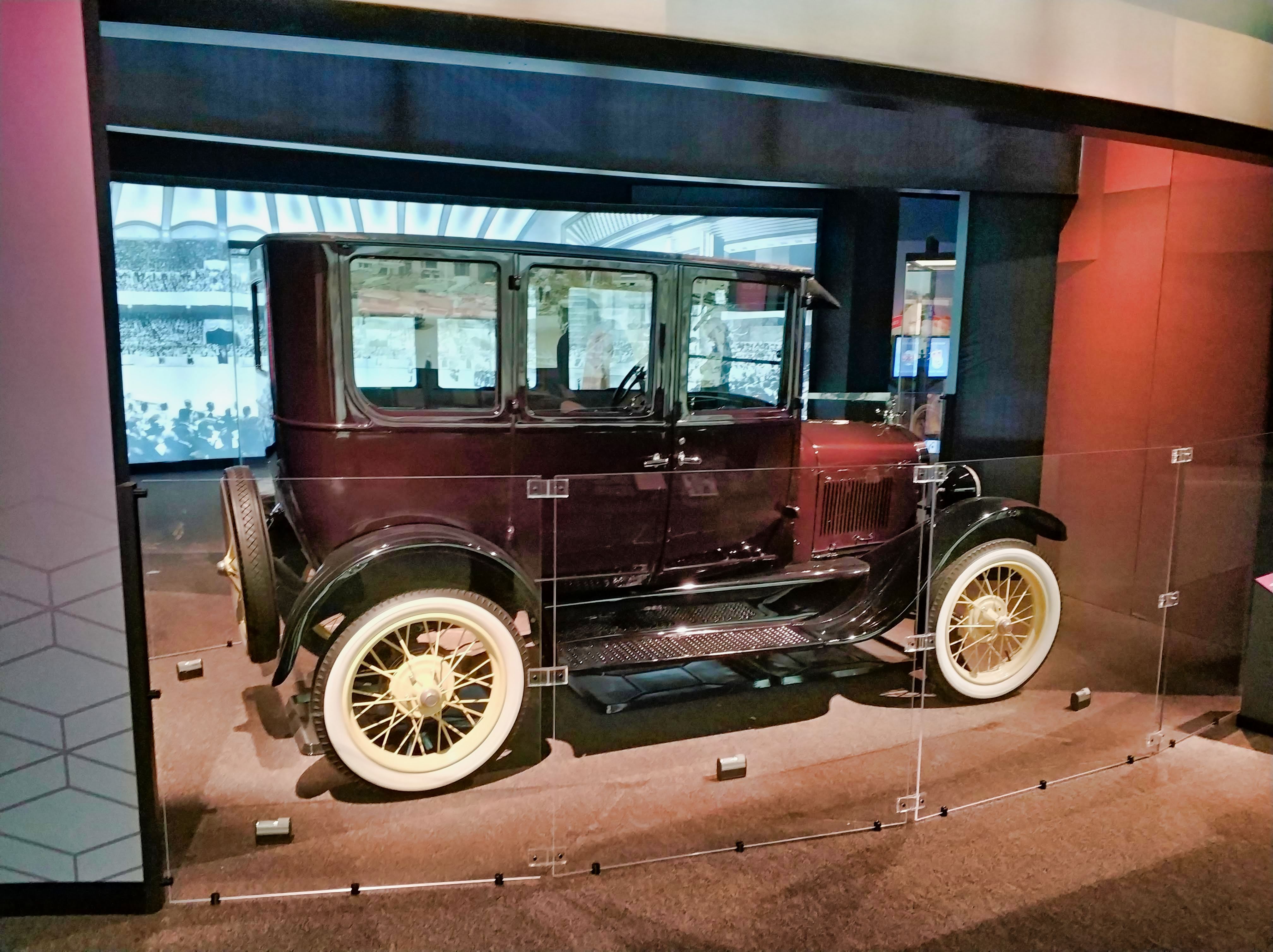
I combined the Missouri History Museum with Forest Park. The museum was pleasant, but sitting by the lake was a more memorable moment for me. If your itinerary includes destinations outside the centre, compare rental cars on DiscoverCars, including parking and return costs. There is no need to fit every attraction into every day.
I spend the afternoon at Washington University, listening to my wife lecturing. It was a very impressive lecture…
To conclude, the essential place to visit in Saint Louise is the Gateway Arch and the Old Courthouse. Then, if you have the time, go to the Botanical Gardens and drive to visit the Cahokia Mounds State Historic Site. I also recommend visiting Forest Park. Finally, if you have children, the City Museum is cool, and the Blues Museum is also lovely for children and adults.
Find Hotels
Looking for accommodation in St. Louis? Compare hotels, prices and availability on Trip.com. This is a city hotel search, not a personal recommendation for a specific property.
Hotel booking links are affiliate links. We may earn a commission when you book through them, at no extra cost to you.
All Articles from This Trip
Missouri Botanical Garden in Saint Louis
Missouri History Museum in Saint Louis
St. Louis National Blues Museum