Belfast City Hall: Where History Meets Modern Belfast
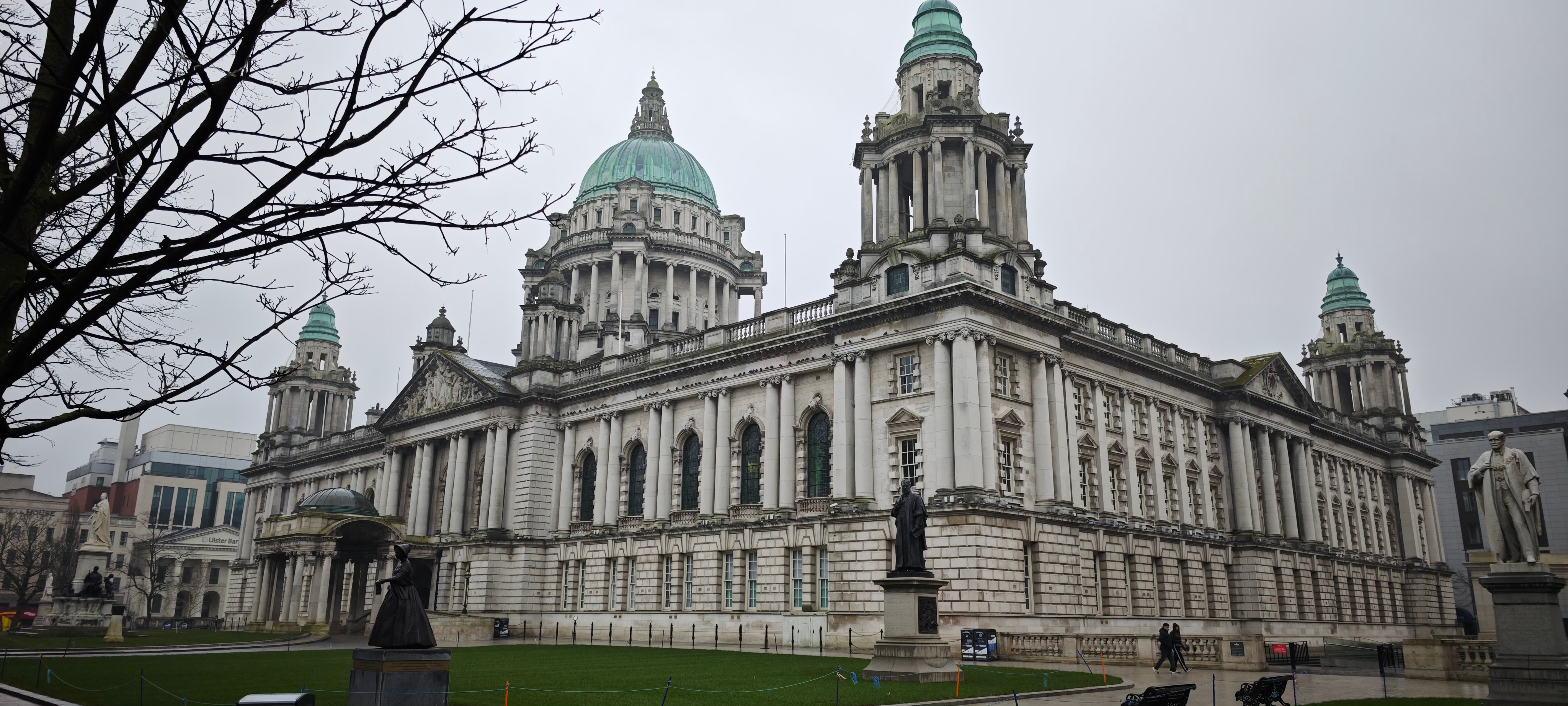
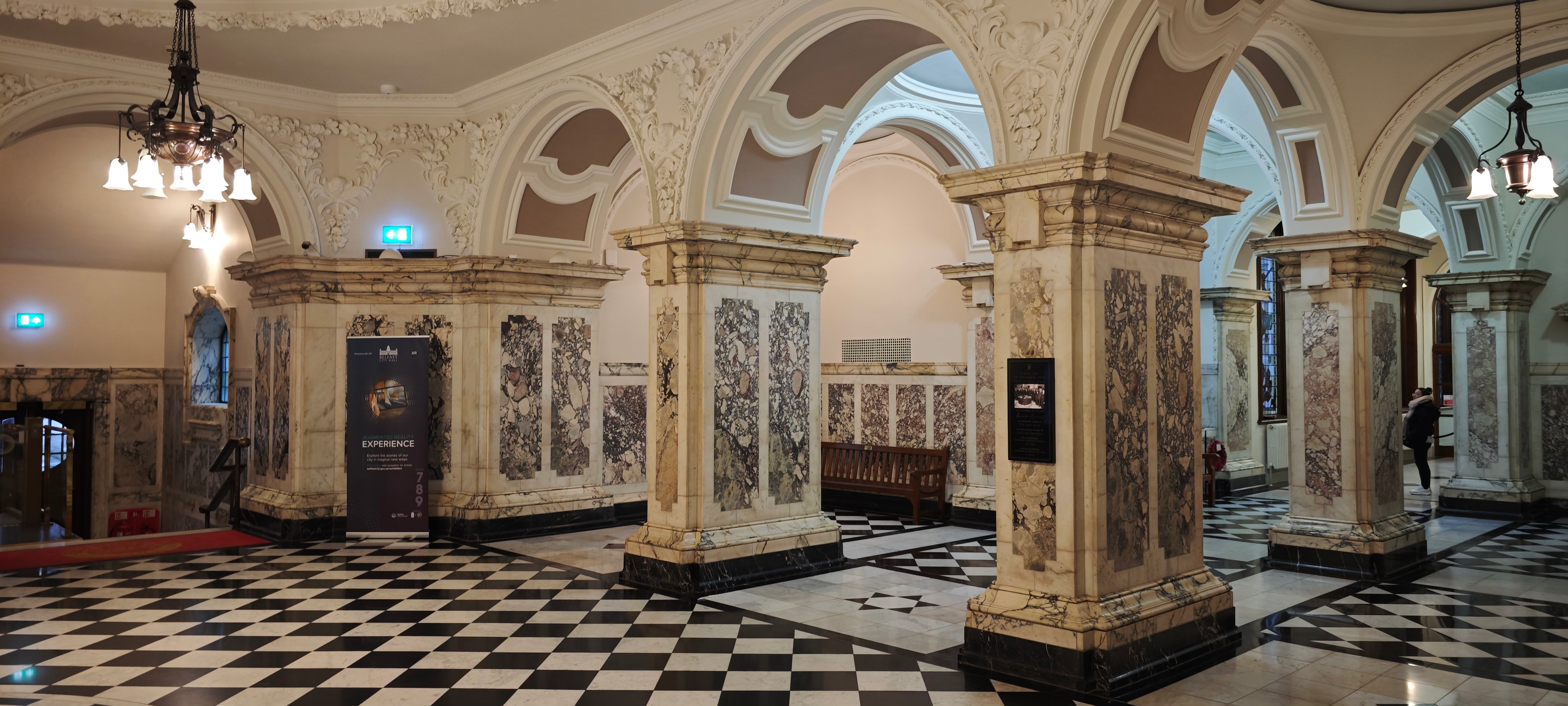
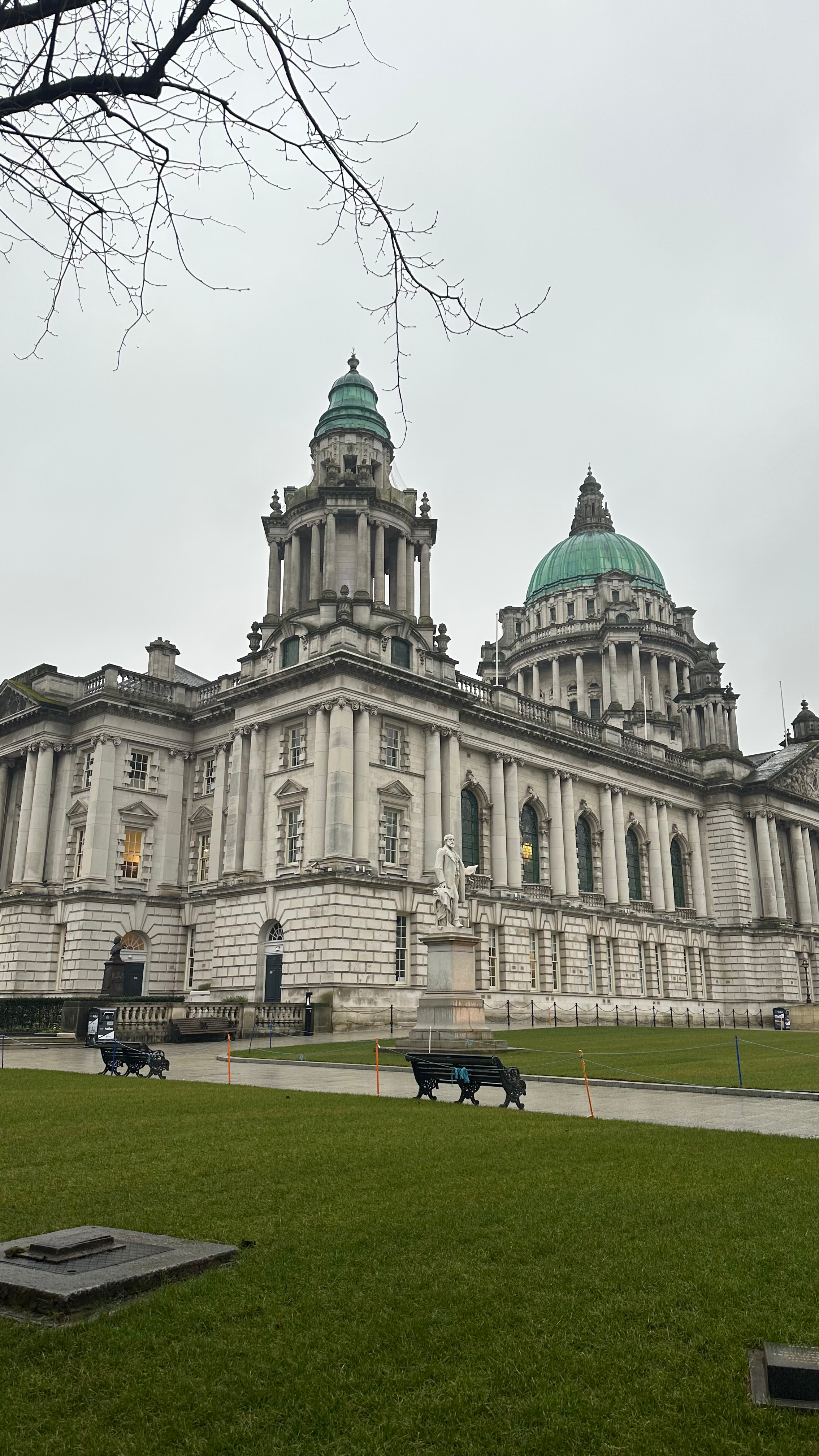
Standing majestically in the heart of Belfast, City Hall is more than just a civic building—it's a living museum that tells the story of a city's transformation. As we approached the impressive Baroque Revival structure, its Portland stone exterior gleaming despite the typical Belfast overcast sky, we couldn't help but be struck by its grandeur.
Built-in 1906 at a cost equal to £128 million today, the building is a testament to Belfast's industrial golden age. What makes it even more fascinating is its connection to the Titanic—Lord Mayor William Pirrie, the managing director of Harland and Wolff Shipyard, used the same skilled artisans on both projects. Walking through the building, you can imagine what the Titanic's interior craftsmanship would have looked like.
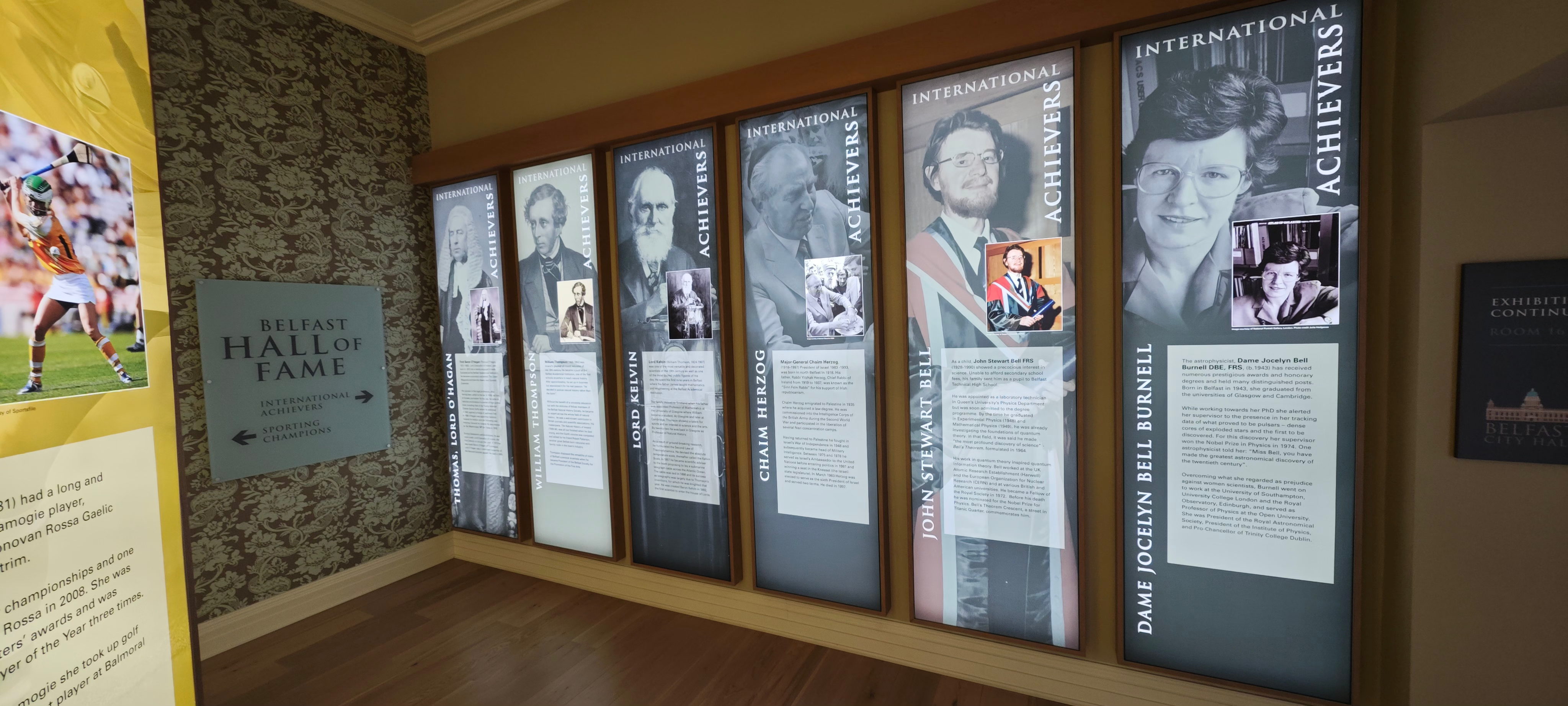
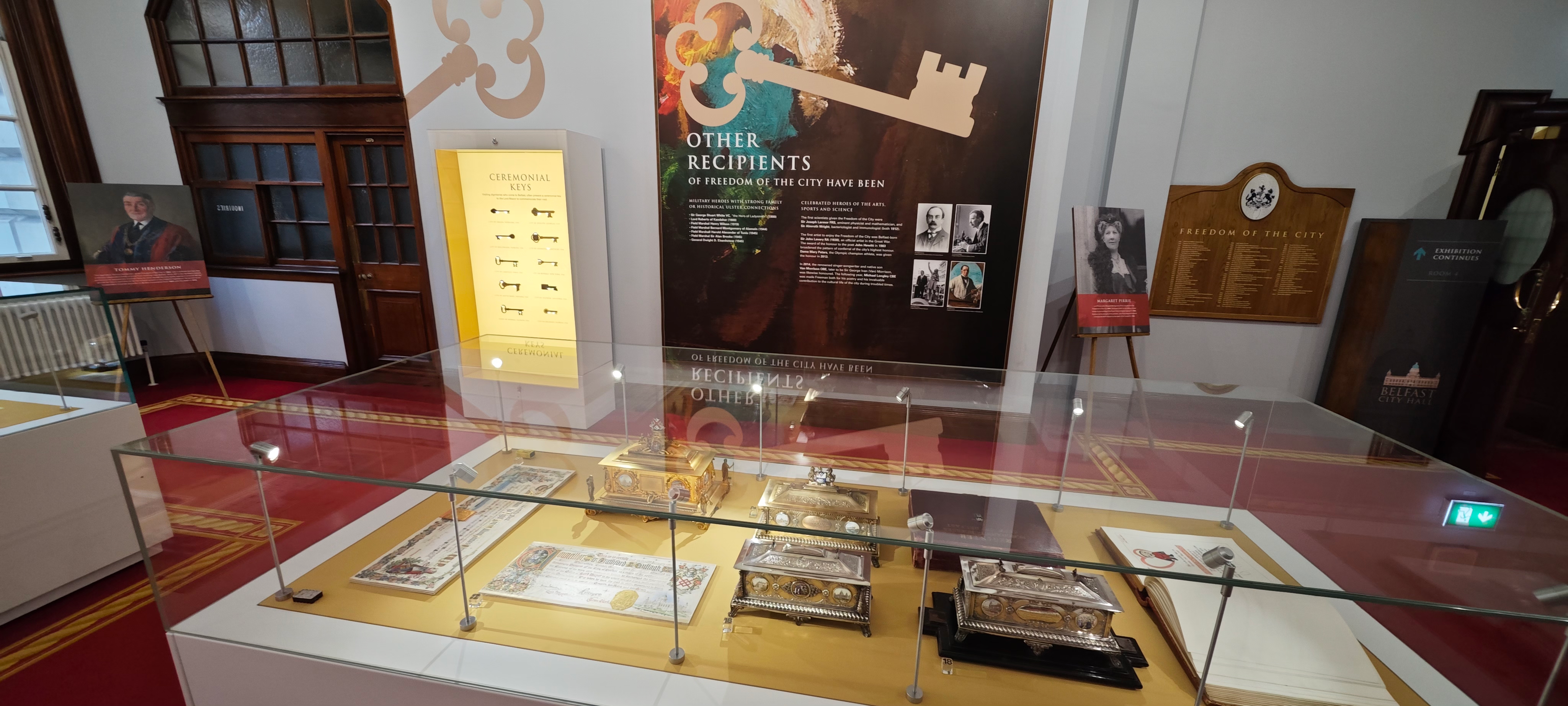
City Hall is impressive outside, and its exhibition introduces different sides of Belfast. We particularly enjoyed the section on local speech. Our recommendation is slightly qualified: individual rooms are interesting, but the sequence did not always feel like a coherent story.
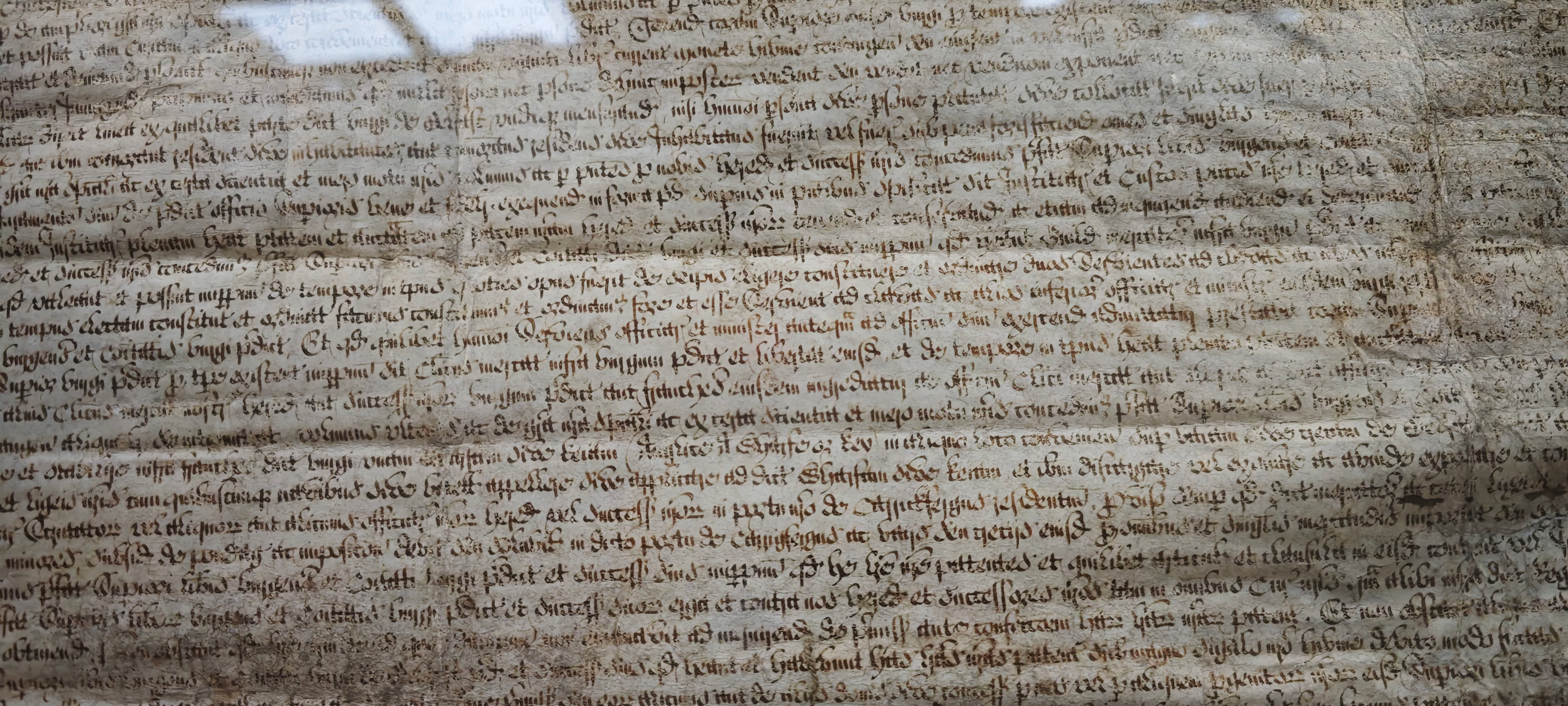
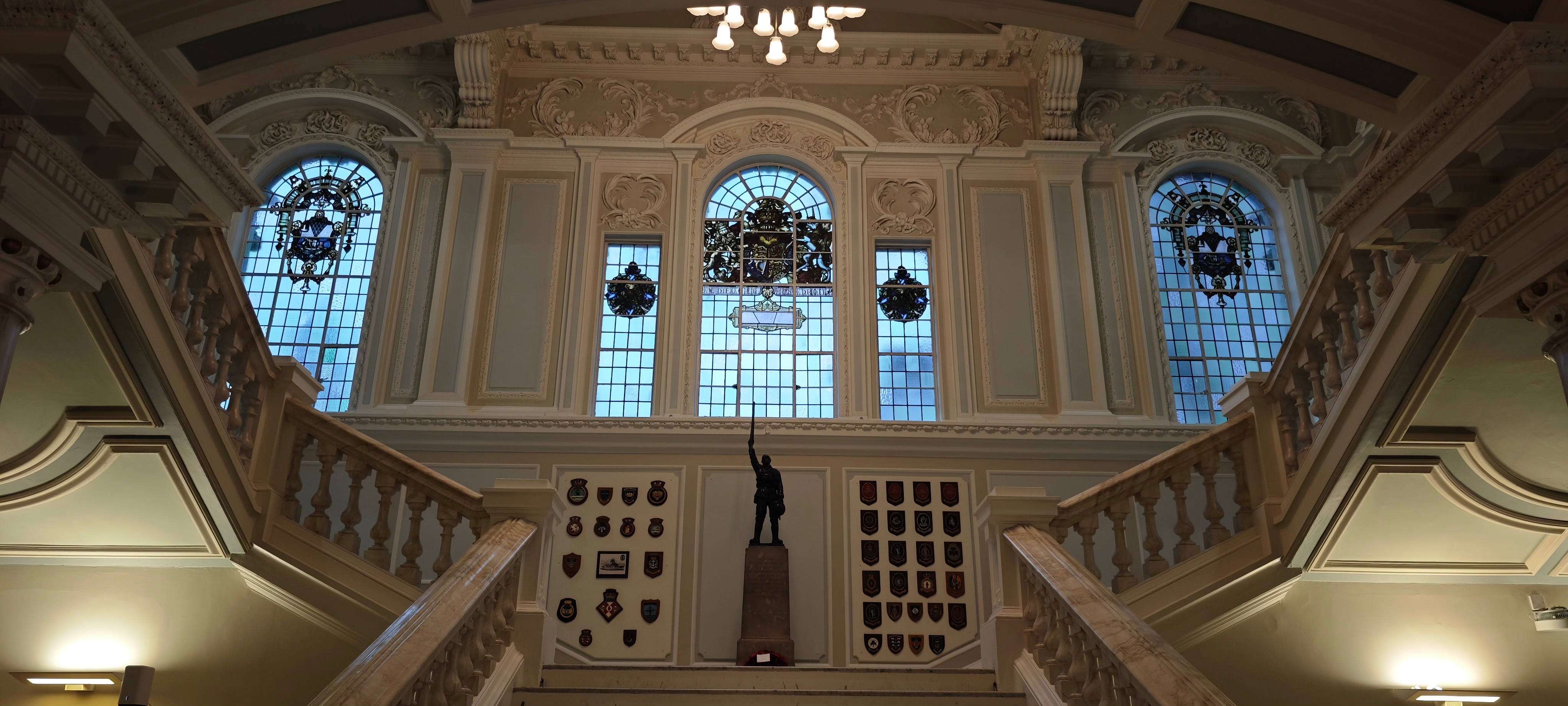
Among the most memorable features were the stunning stained glass windows. While we didn't take the guided tour of the upper floors, the windows visible from the ground floor are impressive enough. Two particularly caught my attention: the Dockers Strike and Famine windows, each telling powerful stories of Belfast's past through vibrant colored glass.
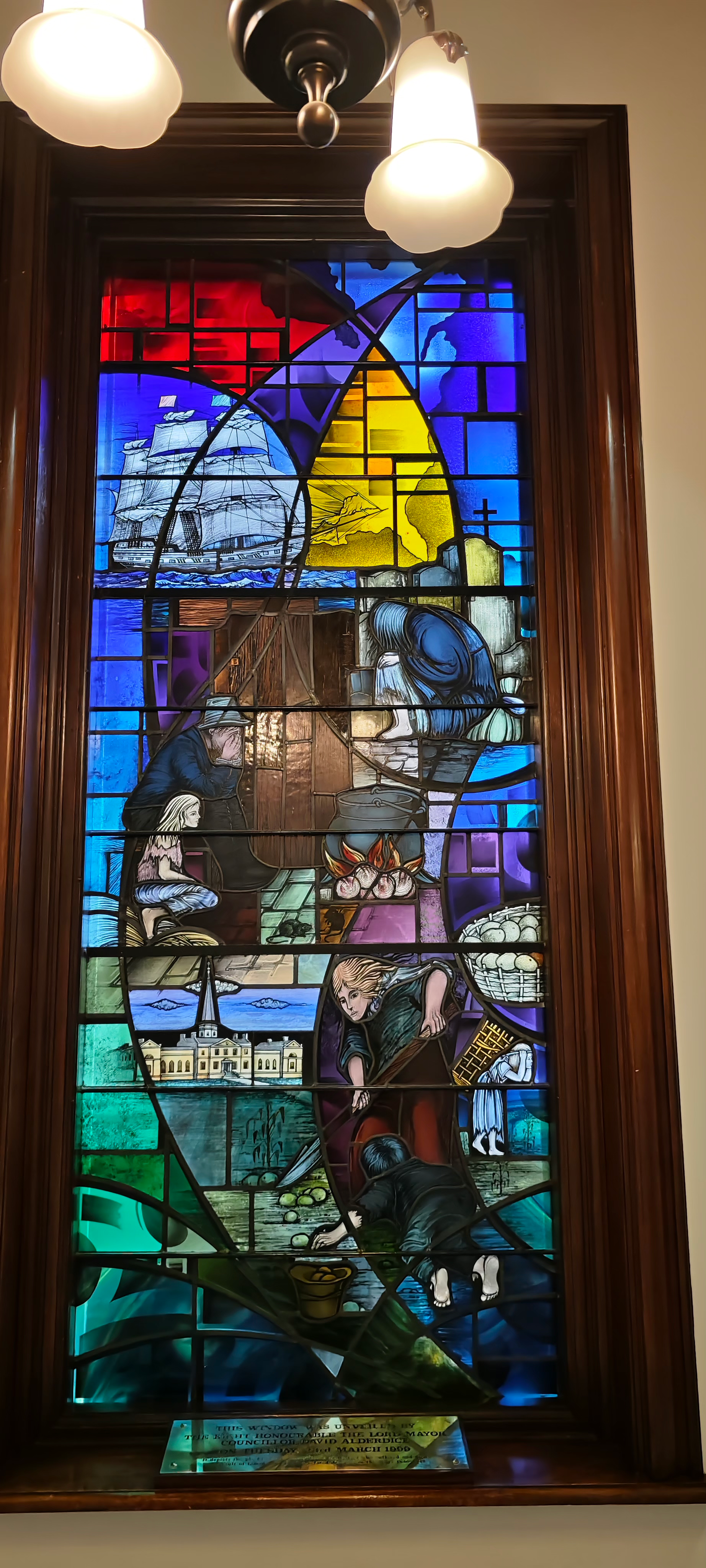
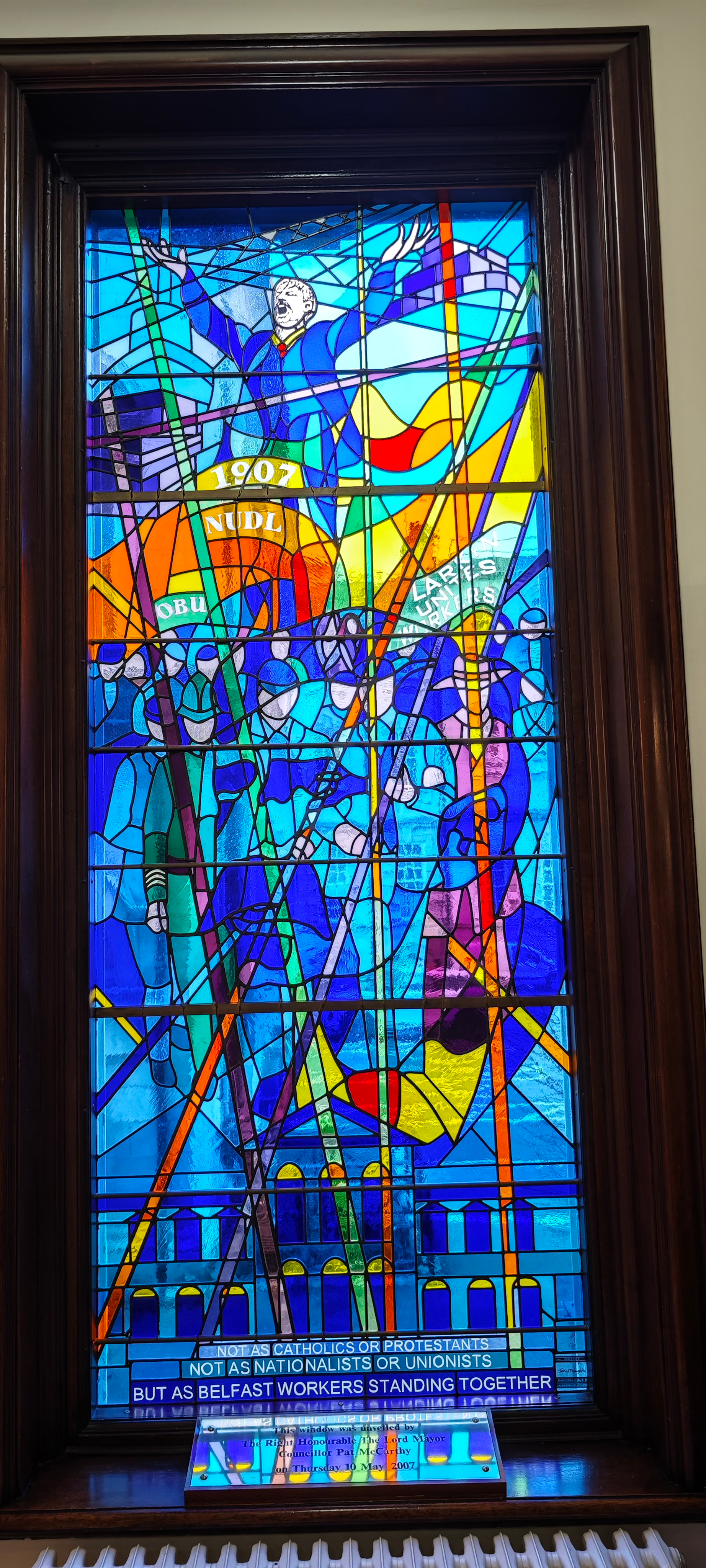
While I found it challenging to completely understand Belfast and Northern Ireland's complex history from the exhibition alone, each room offers valuable insights into specific aspects of the city's past and present. The approach seems to be more about providing windows into different moments and aspects of Belfast's story rather than attempting to construct a comprehensive narrative - and perhaps that's appropriate for a city with such a multifaceted history. The recent addition of augmented reality experiences in some rooms adds a modern touch to the historical narrative, though we didn't experience this feature during our visit.
What's particularly striking about City Hall is how it balances its role as both a working civic building and a tourist attraction. Even as tourists explored the exhibition spaces, you could see local government workers doing their daily business, making the building feel alive and relevant rather than just a historical monument.
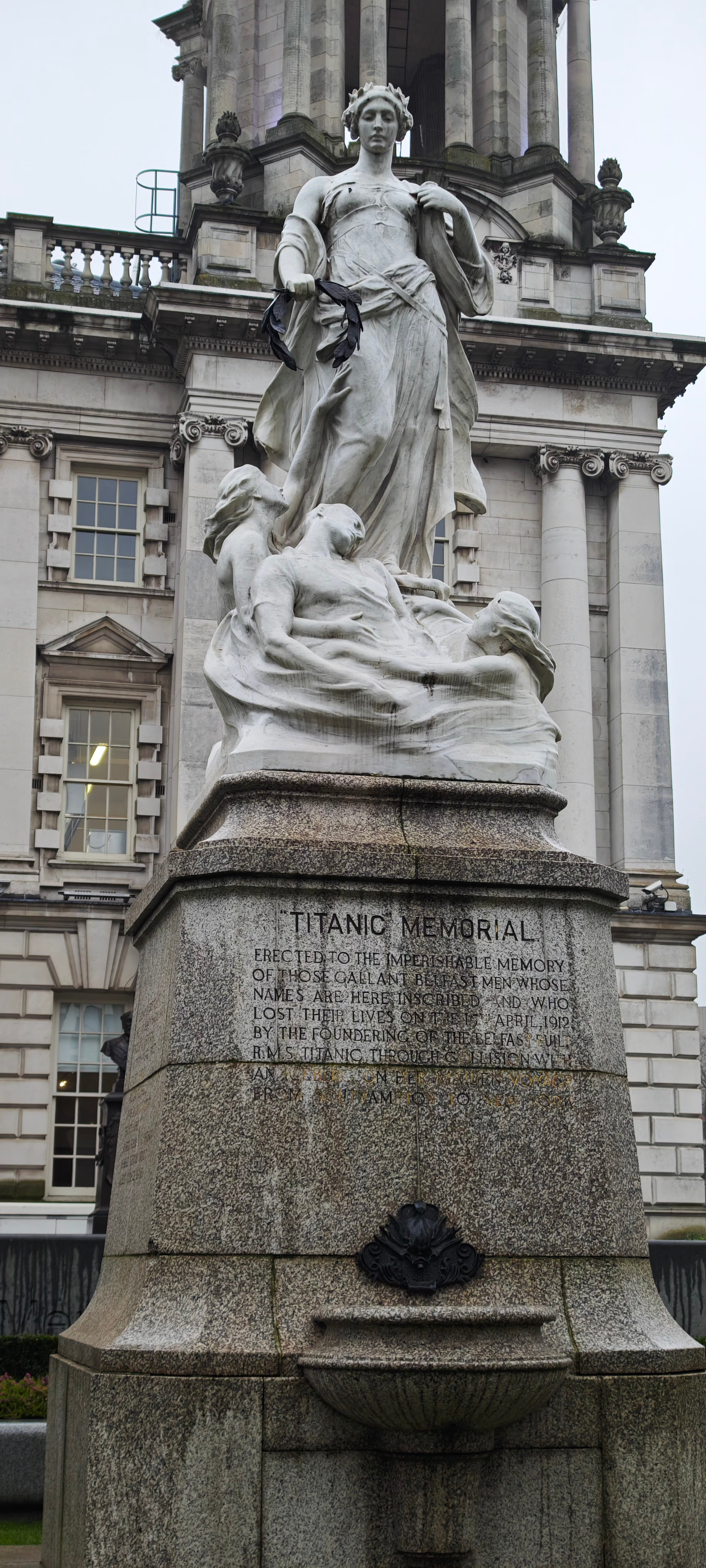
The grounds are impeccably maintained and home to various memorials and statues. The Titanic Memorial Garden is particularly moving, listing all 1,512 disaster victims. The grounds also feature an impressive collection of statues honoring multiple historical figures and events, including the recently added statues of Mary Ann McCracken and Winifred Carney, celebrating women's contributions to Belfast's history.
Practical Tips:
The exhibition occupies the east wing on the ground floor. Checked in September 2026, adult admission is £4; under-18s enter free with a ticket. The self-guided exhibition and a guided building tour are separate options. Check opening hours and visit conditions.
We did not take the guided tour of the upper floors. Leave time for the stained-glass windows and the grounds around the building.
Belfast City Hall symbolizes the city's past grandeur and present vitality. Whether you're interested in architecture or history or want to understand Belfast better, it's an essential stop on any visit to the city.