Money in Spain: Euros, Cards, Tips and Tourist Taxes
Cards cover most city-trip spending in Spain, but a little cash remains useful. Accommodation taxes, card currency conversion and transport-ticket choices can make a noticeable difference to the final cost. Here is how to prepare without turning every purchase into a calculation.
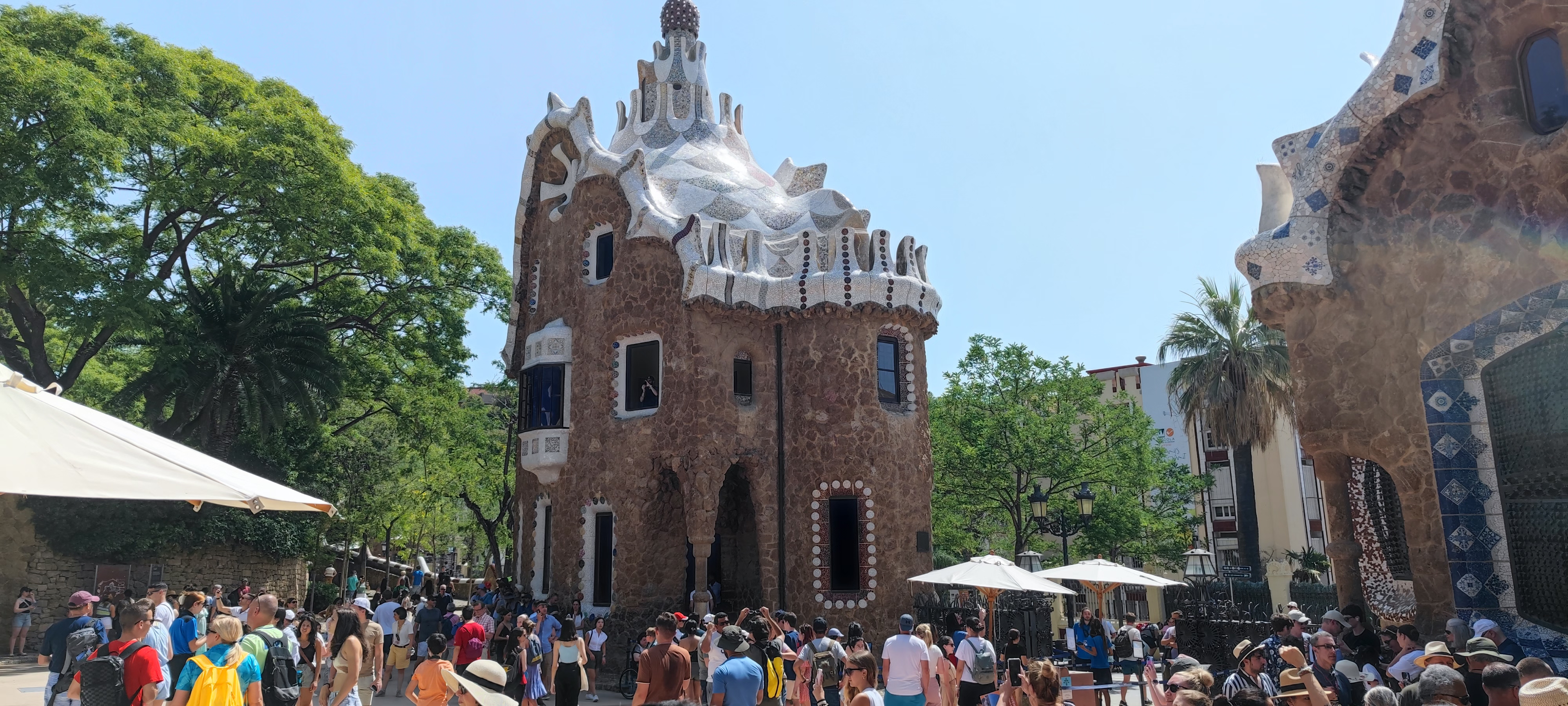
Barcelona, Spain · packing4two
Currency and denominations
Spain uses the euro, EUR or €, divided into 100 cents. Coins are 1, 2, 5, 10, 20 and 50 cents plus €1 and €2. Notes are €5, €10, €20, €50, €100 and €200. The €500 note remains valid but is no longer issued and is inconvenient for everyday purchases.
Keep small notes for cafés, stalls and taxis. Ordinary euro coins from other euro-area countries are also usable.
A practical cash reserve
Visa and Mastercard are widely accepted. Some cash is still useful for a small business or a failed terminal. A reserve of €100–€200 for a couple is one possible starting point for occasional expenses, not a daily budget or a compulsory withdrawal.
Keep a second card separately and avoid carrying all your cash and identification together. Ask about payment before ordering in a small restaurant.
Cards, phones and conversion
Apple Pay and Google Pay work at compatible terminals through the linked card. Carry a physical card and PIN too, particularly for rental-car and hotel deposits. A deposit hold is not necessarily a final charge, but it temporarily reduces available funds.
When offered a charge in your home currency, compare the conversion terms. Paying in euros normally leaves conversion to your card provider under its own fees. At an ATM, check the operator charge before accepting as well as your bank’s withdrawal costs.
What Bizum actually requires
Bizum is activated through a participating bank’s app and linked to the account holder’s phone number. It works with eligible Spanish and Andorran bank accounts. A foreign phone number can be used, but a foreign payment card alone does not create access.
If a business offers Bizum, ask for card or cash payment instead. Opening a local bank account is not a necessary step for an ordinary short holiday.
Paying for taxis and app rides
Licensed taxis in the Barcelona metropolitan area accept cash or credit card. Ask for a printed receipt showing the journey and vehicle details. For cash, use a small note: drivers must have change for €20, not for every large denomination.
In a booking app such as the Freenow app, check the service category, payment setting and quoted terms before confirming. Availability varies by city. Do not pay the same fare again in cash when it is being charged through the app.
Tipping
Tips are optional. Around 5%–10% can acknowledge good restaurant service, while rounding up in a café or taxi is also reasonable. There is no need to apply another country’s high default percentage automatically.
Ask whether a card tip can be added or leave a small cash amount. Review any existing service or gratuity line before adding more.
Barcelona transport tickets
T-mobilitat is the ticketing system, not one particular travel pass. Buy a suitable reusable support, load the chosen ticket and touch it to the validator. TMB operates Barcelona’s metro and bus services. Its TMB app manages compatible tickets; purchasing does not replace validation.
T-casual cannot be shared by several people travelling simultaneously. T-familiar can be shared, with one validation per traveller, and contains eight journeys valid for 30 days from first use. It does not cover the Aeroport T1 and Aeroport T2 metro stations on L9 Sud. Match the product to the actual airport and city routes.
VAT and displayed prices
Mainland Spain and the Balearic Islands use standard VAT of 21%, with 10%, 4% and some zero-rated categories. Consumer prices generally already include the applicable tax rather than adding it at the till.
The Canary Islands have a different indirect tax, IGIC; Ceuta and Melilla also have different arrangements. Do not apply Barcelona’s VAT treatment automatically to every Spanish destination. Compare the complete payable amount.
Accommodation tax is regional
Barcelona’s combined regional and municipal rates from 1 April 2026 to 31 March 2027 are €12 per person per night for five-star hotels, €8.40 for four-star hotels, €9.50 for tourist apartments and €7 for other accommodation. These are tax amounts before any applicable VAT effect on the bill, not room prices.
In Catalonia, guests aged 16 or younger are exempt, with a maximum of seven consecutive taxable stay units per person at the same property. Ask the hotel for your final total including children’s ages. Rates elsewhere in Catalonia differ, and the Balearic Islands operate a separate visitor tax.
Tax-free shopping and DIVA
Residents outside the EU may claim eligible VAT refunds on goods exported in personal luggage. Spain has no general minimum purchase threshold for the scheme. Ask the shop for the electronic DIVA tax-free document with correct passport details, not just a normal receipt.
Export the goods by the end of the third month following the purchase month. At a Spanish departure point, scan the document at DIVA and attend customs if directed, with goods, passport and travel documents ready. If your final EU exit is elsewhere, obtain the appropriate customs validation there. Then complete the refund with the shop or operator; fees may reduce it. Consumed hotel stays and meals are not exported goods.
We stayed at ibis Barcelona Centro (Sagrada Familia) in July 2023 and recommend it. Compare the total including accommodation tax and the cancellation conditions for your dates. Check the hotel on Trip.com