Driving in Spain: Road Rules, Low-Emission Zones, Parking and Rentals
Spain drives on the right and uses kilometres. A car can be excellent for coastlines, villages and mountains, but is often unnecessary during a city stay. Understand unprotected turns, roundabout exits, municipal access rules and the connected emergency beacon requirement before collecting a rental.
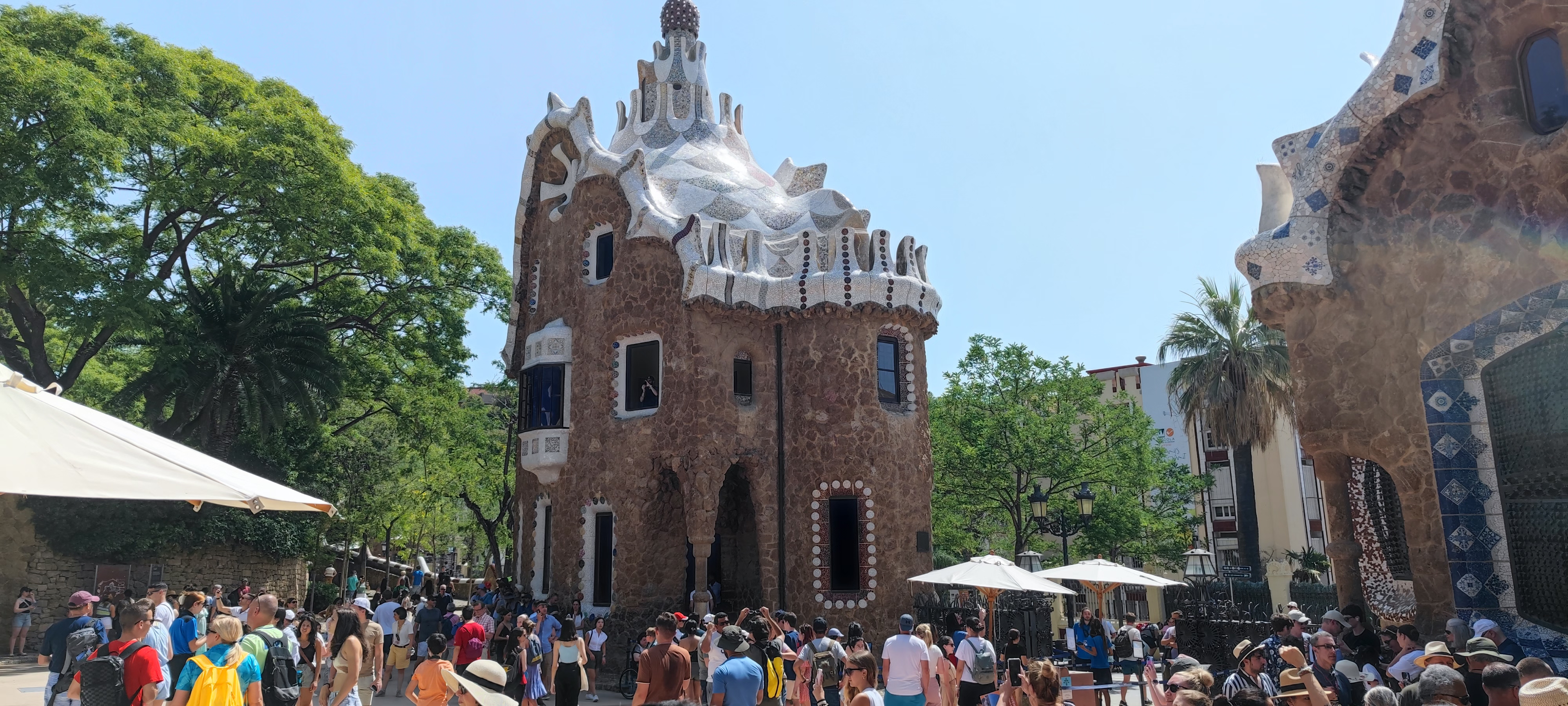
Barcelona, Spain · packing4two
When a rental makes sense
Barcelona or Madrid alone can usually be explored without a car. For the Costa Brava, villages or mountains, collecting it when leaving the city can save parking days.
Compare options on DiscoverCars, including excess, deposit, mileage, fuel and permission for borders or ferries. Compare the cost of the whole route rather than only the advertised daily rate.
Licences and documents
Carry your valid original licence and identification. EU/EEA licences are recognised; visitors with other licences should arrange an international driving permit and check the supplier’s requirements before departure. The IDP does not replace the original.
Check minimum age, licence tenure and the deposit card requirements. Register every driver, inspect the vehicle documents and insurance, photograph existing damage and save the assistance number. A phone image is not an automatic substitute for an original document.
Traffic lights and left turns
A normal green light may allow a left turn across opposing traffic that also has green. Yield to that traffic and to people legally crossing your intended path. Do not assume an ordinary green phase protects your turn.
There is no general right turn on red for cars. A separate green arrow permits its indicated movement subject to applicable priority duties. Flashing amber requires caution and observance of priority signs; it does not give automatic right of way.
Roundabout lanes and exits
Traffic already in a roundabout normally has priority unless signals, signs or an officer direct otherwise. Circulate anticlockwise and signal your exit.
On a conventional multilane roundabout, move safely into the outer lane before leaving instead of cutting across it from an inner lane. If that is impossible, go round again. Follow dedicated lane markings where lanes are specifically channelled to exits.
Speed limits
Urban defaults are 20 km/h where carriageway and pavement share one level, 30 on roads with one lane per direction and 50 with two or more lanes per direction, unless signs specify otherwise.
For an ordinary passenger car outside built-up areas, the usual defaults are 90 km/h on conventional roads and 120 on autopistas and autovías. There is no extra 20 km/h allowance for overtaking. Other vehicle categories, signs and conditions can require lower speeds.
Useful signs and markings
CEDA EL PASO means give way; STOP requires a complete stop. VADO PERMANENTE marks access that must not be blocked. BUS and TAXI lanes are not ordinary private-rental lanes.
Continuous yellow kerbside lines prohibit stopping and parking; broken yellow lines restrict parking as indicated. Parking colours vary by municipality, so read operating hours, permitted users and time limits rather than relying on colour alone.
Low-emission zones: ZBE
ZBE means a low-emission zone. Rules differ between cities, and a hotel or garage booking does not automatically grant access. Ask the rental company for the vehicle’s emissions classification and suitability for your intended zone.
Foreign-registered vehicles need advance registration for Barcelona’s zone even when emissions-compliant. Use the foreign-vehicle registration service and obtain the required approval before entry. A foreign environmental sticker alone is not enough. Barcelona permission does not automatically cover Madrid.
Parking with the SMOU app
In Barcelona, the SMOU app supports participating street parking and garages. For street parking, enter the correct plate, select the correct zone, start the session and stop it on departure. Confirm successful activation and respect the maximum stay.
Automatic plate-recognition garage entry is a separate service for participating facilities. Remove the plate and automatic-entry setting before returning a rental, or the next driver’s parking could reach your account. If card registration fails, use an appropriate payment machine.
Tolls and Vía T
Spain has no single national motorway vignette. Many roads are free, while particular sections charge tolls. An AP road prefix alone does not reliably establish whether today’s section is tolled.
Choose a toll lane displaying the accepted payment method. Vía T uses a compatible electronic transponder; do not enter a Vía T-only lane without an active device. Ask whether the rental includes one, how usage and administration fees work, and how to avoid duplicate payment.
Connected V16 emergency beacon
Since 1 January 2026, Spanish-registered passenger cars need an approved connected V16 warning beacon rather than relying on triangles. Ask to see it at collection and learn how it works. An older non-connected amber lamp is not necessarily compliant.
The distinction concerns vehicle registration, not driver nationality. Foreign-registered vehicles in international circulation can use warning triangles under the applicable rules. During a breakdown, use hazard lights, avoid exposing yourself to moving traffic and contact assistance; the general emergency number is 112.
Fuel and electric charging
Gasolina and Sin plomo refer to petrol; Gasóleo and Diésel mean diesel. Check 95/98 and E5/E10 compatibility against the fuel flap, not pump colour. Keep the receipt for a refuelling stop close to rental return.
Type 2 AC and CCS2 rapid charging are common for EVs. The Waylet app locates Repsol chargers, displays connector availability and supports charging payment at compatible points, sometimes with a temporary card hold. Test registration and payment beforehand, inspect energy and occupancy charges, and plan a backup charger for rural or mountain routes.
Weather and mountain roads
Spain is not uniformly warm. The Pyrenees and other mountains can have snow, ice and closed passes. There is no nationwide winter-tyre calendar rule, but conditions and instructions can require chains or suitable tyres. Four-wheel drive is not a general exemption.
Never drive into floodwater. In summer, plan water and breaks and never leave children in a parked vehicle. Use an appropriate low gear on long descents and check local closures before remote drives.
Children and sober driving
Seat belts are required throughout the car. Children up to 135 cm need an appropriate restraint, normally in a rear seat, with specified exceptions. Reserve the right seat and check installation rather than merely accepting whatever is supplied.
Do not plan around a supposed safe number of drinks: limits depend on driver category and impairment varies. Choose a driver who does not drink. Stop somewhere safe before adjusting navigation or handling a phone.
We stayed at ibis Barcelona Centro (Sagrada Familia) in July 2023 and recommend it. Compare the total including accommodation tax and the cancellation conditions for your dates. Check the hotel on Trip.com