Electricity in Canada: 120V Power, A/B Plugs and Travel Adapters
Canada uses North American outlets with a 120V, 60Hz mains supply. Depending on your equipment, you may need a plug adapter, voltage conversion or neither. Read the device’s input rating before connecting it.
Type A and Type B
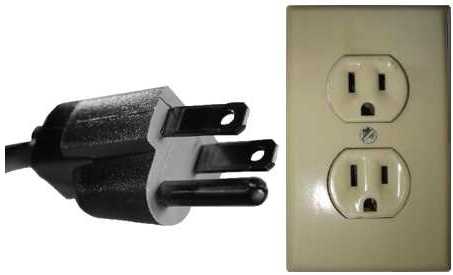
Type A has two flat blades. Type B adds an earth pin; a compatible B socket also accepts a two-pin A plug. The photographs show the earth connection and the difference between the shapes.
Never remove an earth pin to fit an older two-slot outlet. A shape that fits does not establish voltage compatibility.
Choosing an adapter
Choose a reputable North American adapter for your original plug. Equipment requiring earth needs an adapter and socket that preserve it; an unearthed two-pin connection cannot do so.
Check the adapter’s load rating. Avoid loose or overheating hotel outlets and tell reception about damaged fittings.
Type B plug and socket: two flat blades plus an earth pin, the common earthed connection in Canada. · Conrad H. McGregor / Chameleon · Public domain · Unmodified

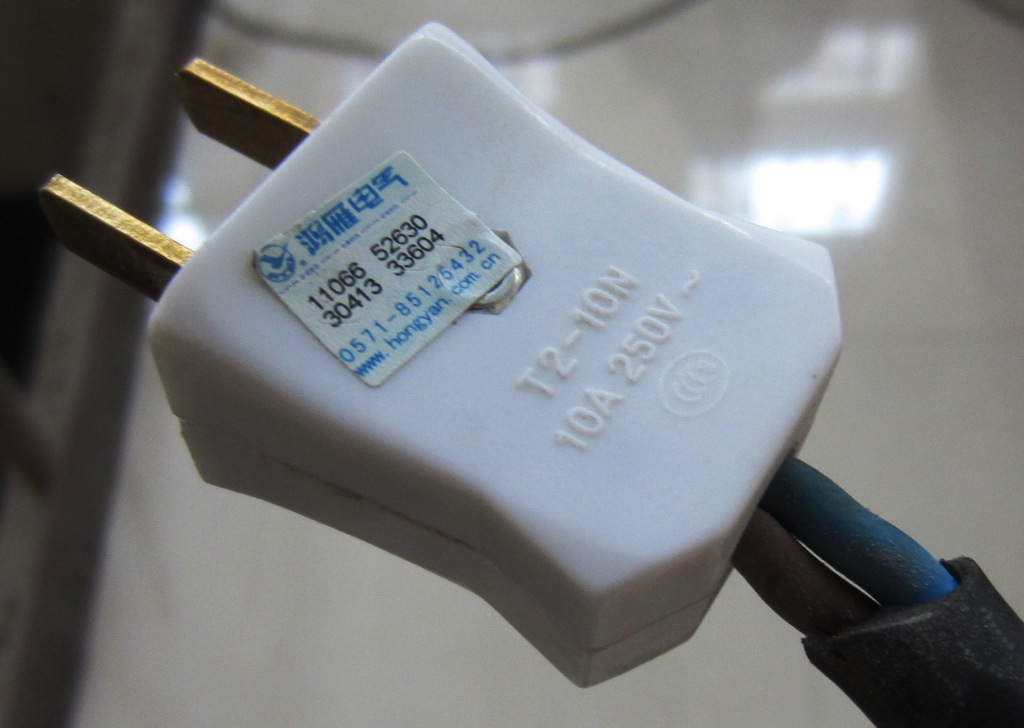
A Type A shape reference with two flat blades and no earth. The rating printed on this example is not Canada’s 120V mains voltage. · Wtshymanski · CC BY-SA 3.0 · Unmodified

Universal-input chargers
An INPUT 100–240V, 50/60Hz charger works on Canadian mains with the appropriate plug connection. Many phone and laptop chargers qualify, but inspect each one.
An OUTPUT 5V label, for example, describes the charger’s output rather than its compatibility with wall power. The input label is the relevant one.
220–240V-only equipment
A device rated only for 220–240V is not automatically suitable for 120V. It may fail to operate properly; a shape adapter cannot raise the voltage.
Ask the manufacturer about suitable conversion. For hairdryers and heating appliances, local equipment is usually simpler. Frequency differences also matter for certain motors and clocks.
Manually selected dual voltage
Some dual-voltage appliances need a manual switch. Follow their instructions and set the correct voltage while unplugged. Change it again before returning to a higher-voltage country.
Do not connect 120V-only equipment directly to a 230V supply through a shape adapter: this can cause damage and danger.
TEST and RESET outlets
GFCI outlets near water may have TEST and RESET buttons. They provide leakage protection, not voltage conversion. If an outlet trips, unplug the equipment and seek assistance rather than repeatedly resetting it.
Keep cables and chargers dry. Dedicated shaver outlets can have restricted capacity and are not suitable for kettles or large extension blocks.
Weather and outages
Storms, ice and wildfires can disrupt supplies locally. In Québec, consult Hydro-Québec’s outage map and updates; this is not a nationwide service.
Keep a charged power bank and offline maps for cabins and remote routes. Stay away from fallen wires even if they appear inactive. Essential equipment needs an agreed backup plan.
Cabins, RVs and EVs
Confirm campsite connections and available current before arranging an RV or powered equipment. RV service connectors are not ordinary phone adapters, and dedicated outlets can supply a different voltage.
EV charging requires appropriate equipment and host permission. Do not improvise with chained adapters or an extension lead. Confirm connector, charging network and payment separately when renting an EV.
We stayed at The Novotel Toronto Centre and recommend it. Check rooms for your party and the total including accommodation taxes. Check the hotel on Trip.com