Driving in Northern Cyprus: Left-Hand Traffic, Rentals and Crossings
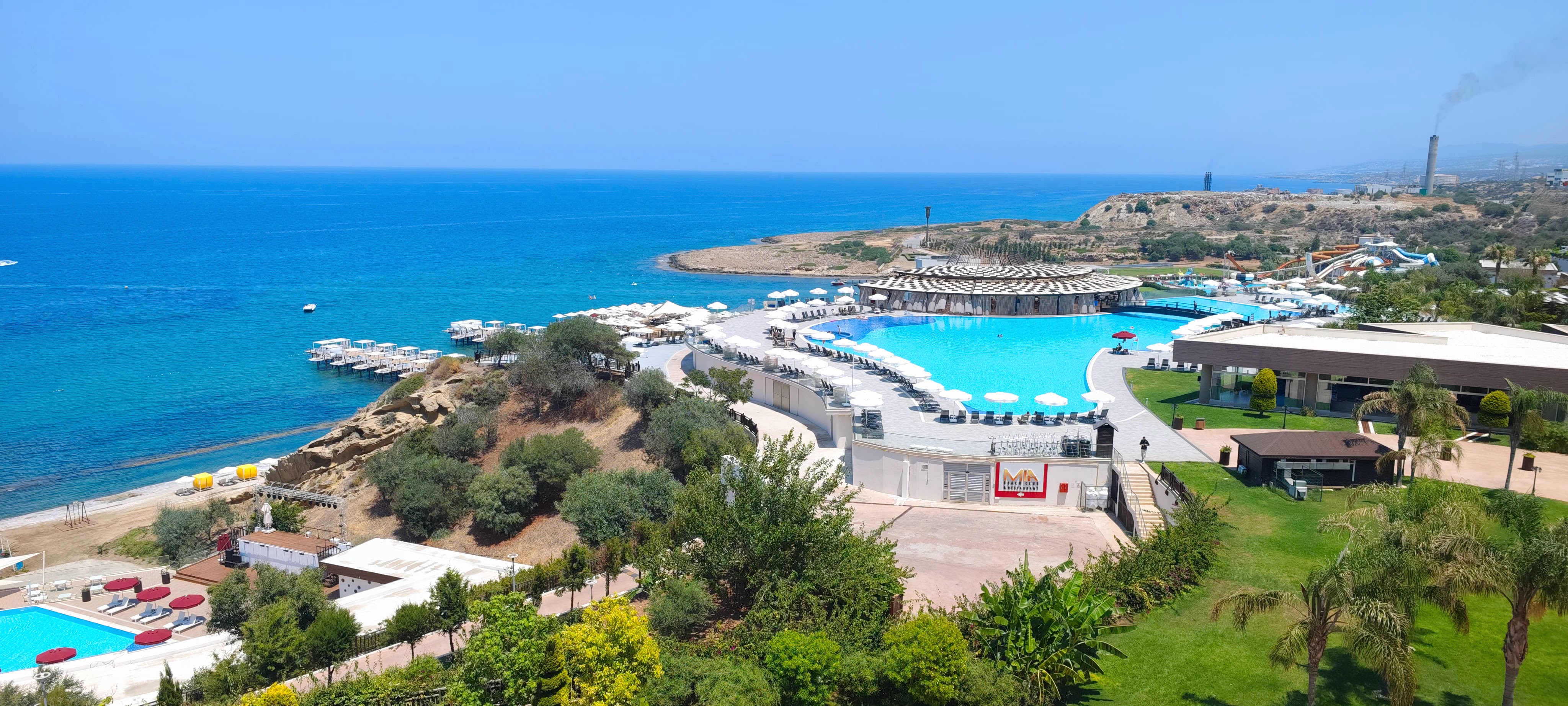
A car makes the castles, villages and Karpaz Peninsula easier to combine with a Kyrenia stay. Plan around left-hand traffic and a rental contract valid for this part of the island. Do not add a crossing south until the supplier has clearly approved it.
Northern Cyprus · packing4two
Match the rental to the route
Compare northern Cyprus rentals on DiscoverCars, checking that the pickup is actually in the north rather than Larnaca or Paphos. Allow for airport transfers and branch hours.
An automatic can reduce workload when adapting to left-hand traffic. Compare excesses, insurance, deposits, additional-driver charges and unpaved-road exclusions before booking.
Licences and paperwork
Tourists can generally use a valid home-country driving licence for up to 90 days. Rental eligibility is separate: suppliers may impose age and experience requirements or require an international permit or translation.
Bring the original licence, passport and any required international permit rather than relying on phone images. Confirm requirements before making a non-refundable reservation.
Keep left
Traffic keeps left and steering wheels are generally on the right. A left turn stays near the left edge; a right turn crosses opposing traffic and ends on the left side of the new road.
Pause to reset your orientation when leaving a quiet car park. Start with a simple daylight drive and do not continue if you cannot operate confidently in the layout.
Signals and turns
Do not treat an ordinary green light as a guarantee of a protected turn. Before a right turn across opposing traffic, establish that the path is clear and yield according to the signal and markings.
Stop at red. An empty road or another driver’s manoeuvre is not permission to turn. Follow dedicated arrows, signs or police directions, and stop for pedestrians at crossings.
Roundabouts and priority
Roundabouts circulate clockwise. Slow on approach and yield to traffic from the right and vehicles already circulating, unless signals or signs direct otherwise.
Select the marked lane before entering. Do not cut across a neighbouring vehicle to exit from an inner lane; continue safely if you miss the turn. Check the exit’s pedestrian crossing too.
Speeds and enforcement
Speeds are in km/h. Passenger-car reference limits are 50 in towns, 65–90 on rural roads depending on the road, and 100 on dual carriageways; posted restrictions govern.
Fixed and mobile cameras enforce limits. A wide road near homes or a junction may have a much lower restriction. Slow in advance rather than braking at the camera.
Parking in towns
Use a designated car park in Kyrenia and town centres rather than entering unsuitable lanes. Read closing times, tariffs and payment instructions, and do not block gates, pavements or reserved bays.
We have not verified a single parking app covering the entire north. Follow the car park’s instructions, retain the receipt and carry cash. The Pafos parking app does not automatically work in Kyrenia.
Crossing with a rental
Passenger permission and rental-car permission are separate. You need the supplier’s approval and appropriate cover. Insurance sold at a crossing may exclude damage to the rental and cannot cancel a contractual restriction.
Northern suppliers often restrict travel south. A general statement that the crossing is open is not enough. Without written approval, arrange a crossing without the vehicle and separate transport beyond it.
Road charges and restricted access
Do not buy another country’s road vignette because navigation or an advertisement suggests it. Match any required payment to the actual road and operator. Parking, attraction access and transfers are separate costs.
Follow restrictions near military areas and checkpoints rather than taking an unpaved shortcut. For Karpaz destinations, establish whether the final access road is paved and allowed under the rental contract.
Fuel and returning the car
Confirm petrol or diesel using the fuel flap and paperwork. Labels such as Benzin and Motorin can help, but pump colour alone is unreliable.
Start a remote outing with adequate fuel rather than assuming every village has an open station. Photograph the gauge and vehicle on return and retain the last fuel receipt according to the rental policy.
EVs and the In-Charge app
The local In-Charge app displays charging locations and station characteristics. Before choosing an EV, match the car’s connector to your route’s chargers and verify access hours and supported payment.
Imported vehicles need not share a connector standard. Ask the supplier to demonstrate starting and ending a session and confirm your account works before a remote drive. The south’s EAC network does not establish charging coverage in the north.
Weather and passenger safety
Carry water and take breaks in summer. Winter rain can mean poor visibility, slippery surfaces and flooding. Mountain bends call for appropriate speeds, not the vehicle’s maximum capability.
Everyone needs a seat belt; reserve suitable child restraints in advance. Choose a non-drinking driver and leave phone operation to a passenger. Keep the rental assistance number accessible offline.