Driving in Poland: Rental Cars, Signals, Parking, Tolls and Clean Transport Zones
A car is useful for linking Poland’s smaller towns, lakes and mountain areas, but can be unnecessary during a city stay. The important details are not just keeping right: conditional turns at red lights, unprotected left turns, tram priority and city-specific access rules deserve attention before collection.
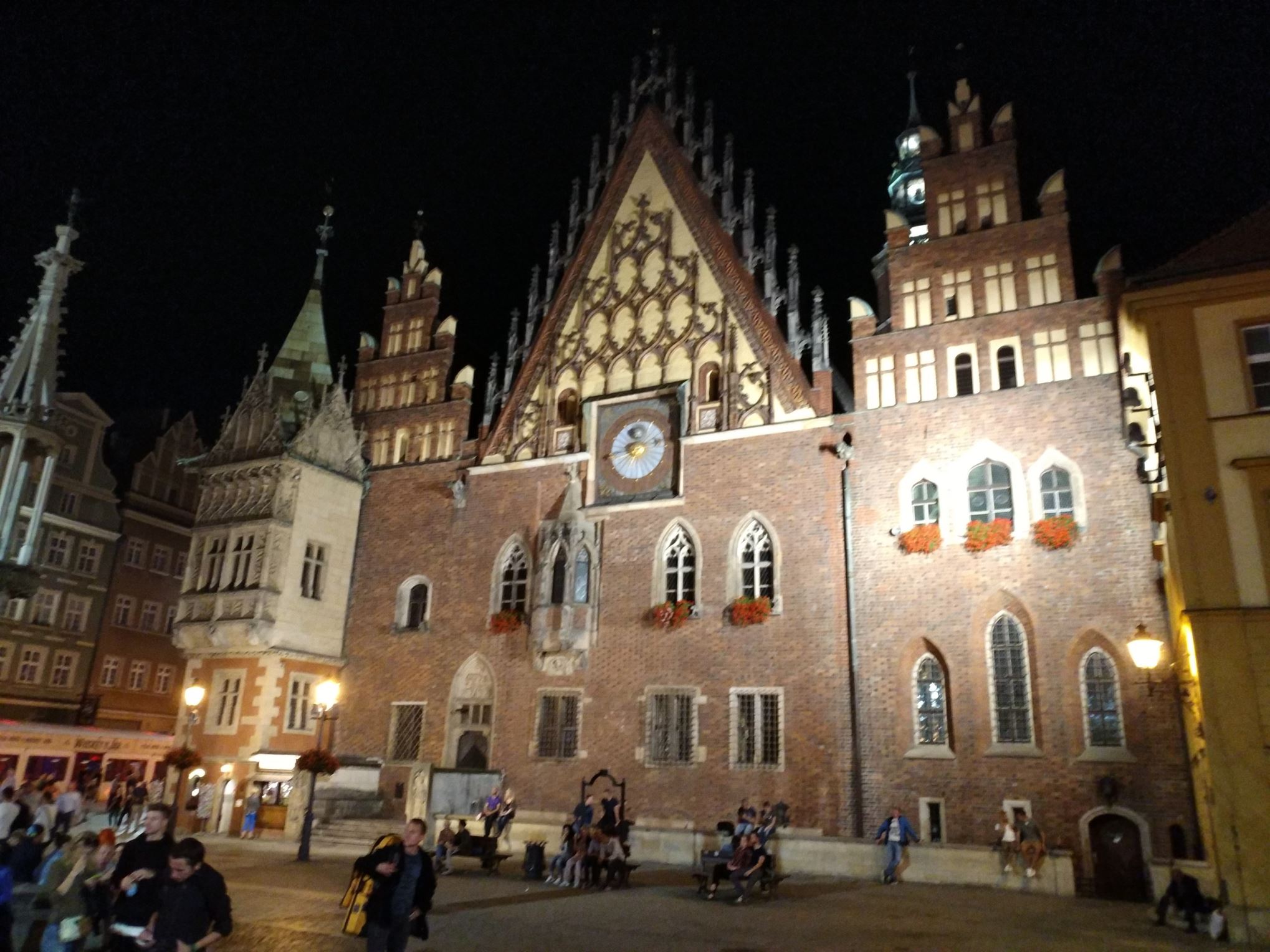
Wroclaw, Poland · packing4two
Build the rental around your route
For a route beyond the cities, compare rental options on DiscoverCars. Check the actual supplier, deposit, excess, fuel policy and whether additional cover is reimbursement cover or the rental company’s own product.
Collecting after your city stay can save parking costs. Confirm luggage space, automatic transmission if required, branch opening hours and one-way charges. Photograph existing damage and the fuel or charge level at both collection and return.
Licences and cross-border permission
Carry your original valid driving licence and passport. EU/EEA licences are generally recognised; other licences depend on the applicable international conventions and format. Confirm whether you need an international driving permit and obtain it before travelling. It does not replace the original licence.
Rental age, licence-holding period and deposit-card conditions can be stricter than legal driving eligibility. Obtain written permission for a cross-border route, even inside Schengen, and check insurance and destination toll requirements. Longer residence is different from a short visit.
A green light may not protect a left turn
At an ordinary circular green signal, a left-turning driver yields to opposing traffic going straight or turning right, and to relevant pedestrians. Do not assume opposing traffic has a red signal simply because yours is green.
A dedicated directional arrow signal is different from an ordinary green light. Identify the signal controlling your lane and never enter a junction you cannot clear. Watch for pedestrians and cyclists across the road you are turning into.
The small green arrow beside red
A normal red light means stop. A small green conditional arrow beside it permits a turn only after a complete stop before the line or signal, followed by yielding to pedestrians and all conflicting traffic. Proceed in the indicated direction only when safe.
This is not a general right-on-red rule. An apparently empty road does not remove the stop requirement. Do not confuse the conditional arrow displayed alongside red with a standard green directional signal.
Roundabouts and trams
Roundabouts circulate anticlockwise. Where the entrance combines a roundabout sign with a give-way sign, entering vehicles yield to traffic already circulating. A roundabout symbol alone does not establish that same priority; ordinary junction rules, including priority from the right, can apply.
Tram rules depend on signals and signs, including whether the tram is entering or leaving a roundabout. Leave tracks clear, follow lane markings and never cut across a neighbouring lane to exit. At an otherwise uncontrolled junction, watch for priority from your right.
Speed limits and following distance
For an ordinary passenger car up to 3.5 tonnes without a trailer, defaults are 50 km/h in built-up areas, 90 on ordinary non-urban roads, 100 on single-carriageway expressways or divided roads with at least two lanes each way, 120 on dual-carriageway expressways and 140 on motorways. Signs override defaults; the urban 50 limit also applies at night.
On motorways and expressways, the minimum gap in metres is half your speed in km/h, apart from the overtaking exception: at 120 km/h, at least 60 metres. Allow more in poor conditions. Trailers and heavier vehicles have different limits.
Signs that change how you drive
The white built-up-area sign with a settlement silhouette marks the urban rules. A blue residential-zone sign showing shared use means a 20 km/h zone where pedestrians can use the road’s full width. It is not simply another ordinary urban street.
A yellow diamond marks a priority road; an accompanying diagram can show it bending at the junction. Bus lanes, no-entry signs and residents-only access still apply when a navigation app routes you to a hotel. Ask the property for a legal arrival route.
Parking apps and private car parks
Warsaw’s municipal paid parking supports the SkyCash Parking app, moBILET app, Flowbird app, AnyPark app and CityParkApp. The mPay app stopped supporting this service in November 2025. Other cities can use different operators.
Select the exact city, zone and plate, confirm that payment has started and stop it on departure. Test registration and your overseas card in advance. Use a meter or suitable car park if the app fails. Paying does not legalise a prohibited or reserved space, and private car parks have their own terms.
Warsaw and Krakow have different clean zones
Warsaw’s 2026 clean transport zone stage tightens petrol and diesel eligibility, using Euro 3 petrol and Euro 5 diesel benchmarks with production-year rules and exemptions. Use the city’s vehicle eligibility checker and obtain confirmation for the actual rental car.
Krakow’s zone began in January 2026. Light petrol vehicles need Euro 4 or manufacture from 2005; light diesels need Euro 6 or manufacture from 2014. Foreign-registered vehicles require registration in the system even when compliant. Transitional paid entry exists for some non-compliant vehicles, but do not apply Krakow’s arrangement to Warsaw.
Tolls are not uniform across the network
Ordinary light cars do not pay e-TOLL on the state-run A2 Konin–Strykow and A4 Wroclaw–Sosnica sections. Concession sections can still charge, including A4 Katowice–Krakow, which is not covered by e-TOLL. Use the payment method and lane for that operator.
Trailer rules change on 21 September 2026: before then, a combination above 3.5 tonnes maximum authorised mass may require e-TOLL; from that date, a towing vehicle itself up to 3.5 tonnes with a trailer is exempt from the system. Concession tolls remain separate, and a motorhome itself above 3.5 tonnes is not covered by that exemption. Confirm classification with the supplier.
Fuel and electric charging
95-octane petrol is supplied in E10 format; diesel may be labelled ON. Match the vehicle’s fuel label, not a familiar pump colour. Check E10 compatibility for an older privately owned vehicle. Retain the final fuel receipt if the return policy requires it.
For an EV, establish connector compatibility and the supplied cable. In the GreenWay app, check locations and connectors before starting a session. Suitable stations also offer one-off charging with card authorisation. Review the tariff and occupancy charges, and keep a backup station; a standard contactless card terminal is not available at every charger.
Winter equipment and year-round lights
There is no general fixed-date seasonal tyre-change requirement, but suitable winter equipment matters on snow and ice. Ask the supplier about the actual tyres, mountain route and any chain requirements. Short distances on a map can become slow winter journeys.
Daytime lighting is required throughout the year. Use appropriate dipped lights in darkness or poor visibility rather than relying only on front daytime running lights. Clear snow from windows and the roof, leave more space and change the route if the road is unsuitable.
Children, alcohol and emergencies
The ordinary private-car rule requires a suitable child restraint below 150 cm, subject to defined exceptions. Book the right restraint instead of planning around an exception. Never place a rear-facing seat in front of an active airbag.
The alcohol threshold is very low, 0.2 g/l of blood; the simplest plan is not to drink before driving. Check the rental’s extinguisher and warning triangle and keep reflective vests accessible. Call 112 in an emergency and contact the rental assistance service as needed. Form an emergency corridor in congestion before an emergency vehicle reaches you.
We stayed at Mercure Wroclaw Centrum on our 2019 trip and recommend it. Compare room types, the total price and cancellation terms for your own dates. Check the hotel on Trip.com