Titanic Belfast: More Than Just a Maritime Museum
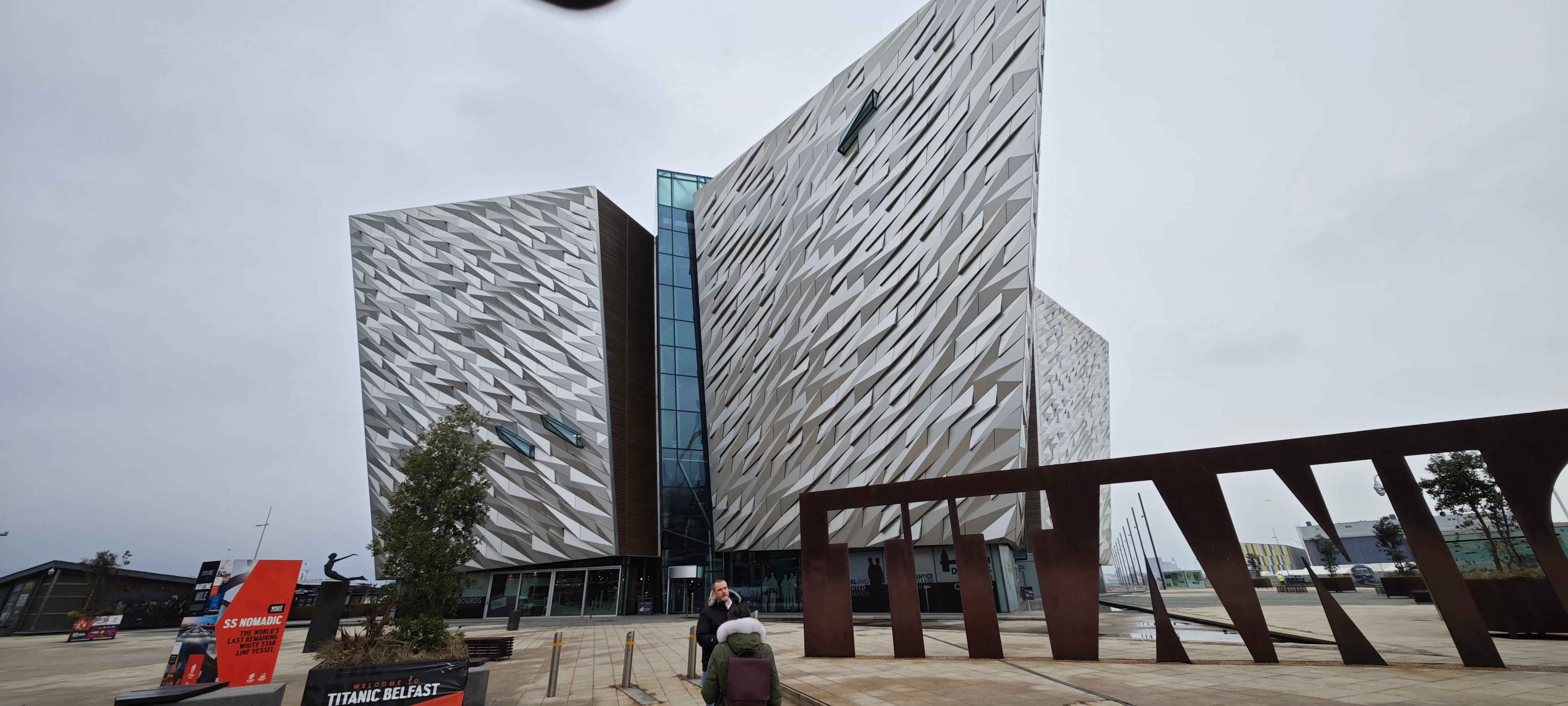
The Titanic Belfast building sits 100 meters from where the original ship was built, and its modern angular design and aluminum-clad exterior make it impossible to miss. At 14,000 square meters - twice the size of Belfast City Hall - it's a significant investment in telling the Titanic story from a unique perspective.
What's fascinating about this museum is how Belfast has approached the Titanic narrative. While most people know only about the tragic end of the ship, Belfast chose to tell the complete story, beginning with the city's industrial heritage. It's not that they ignore the tragedy. Rather, they've managed to transform what could have been just a story of disaster into a broader narrative about Belfast's maritime heritage, industrial capabilities, and the thousands of skilled workers who built the ship.
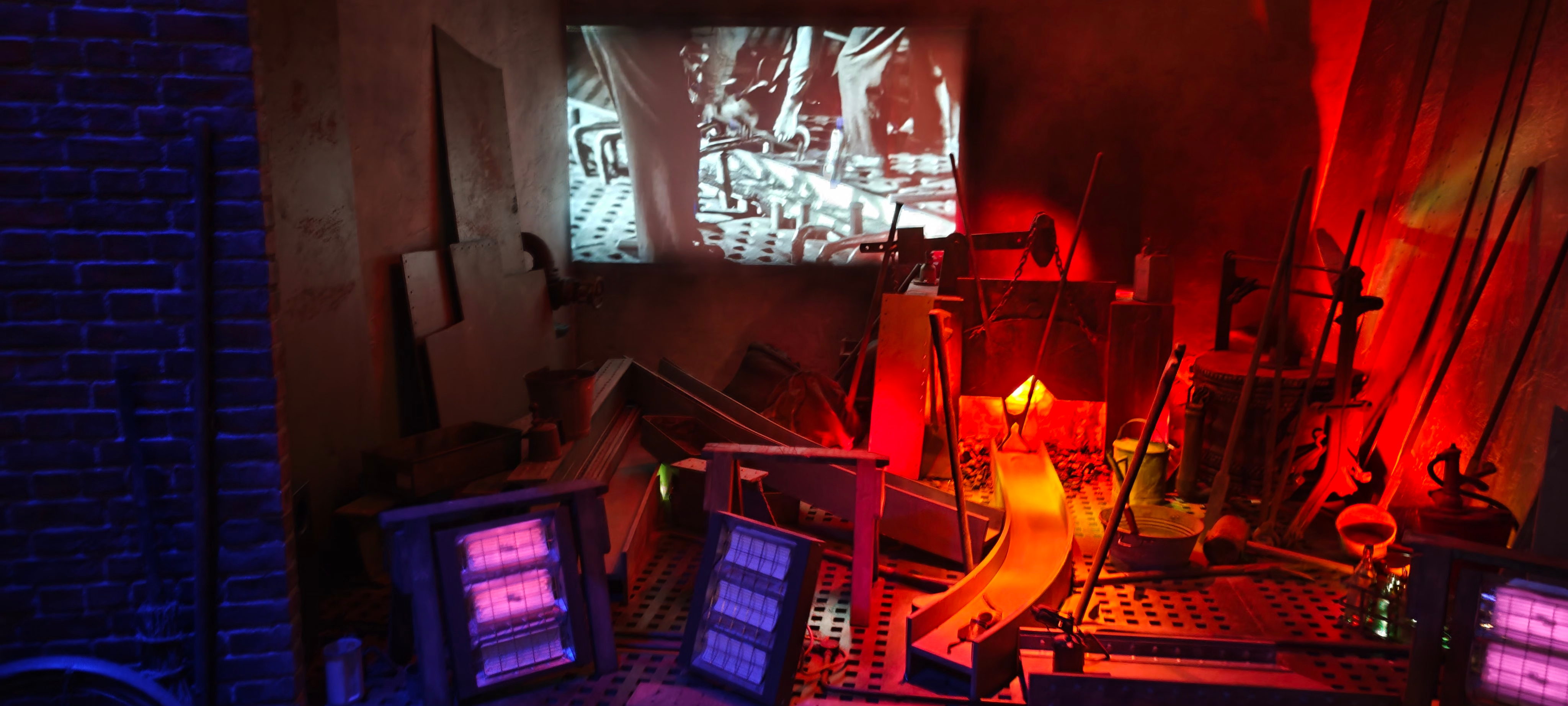
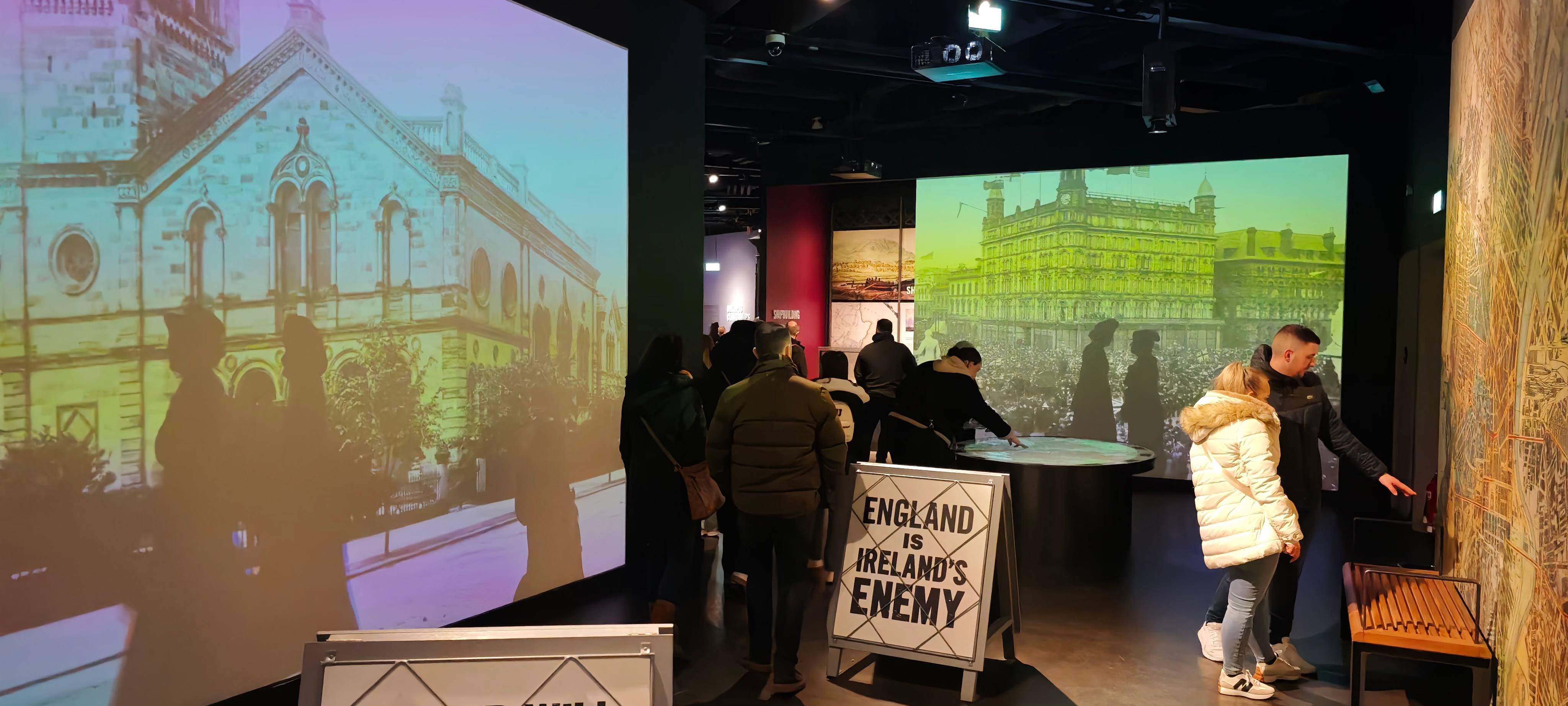
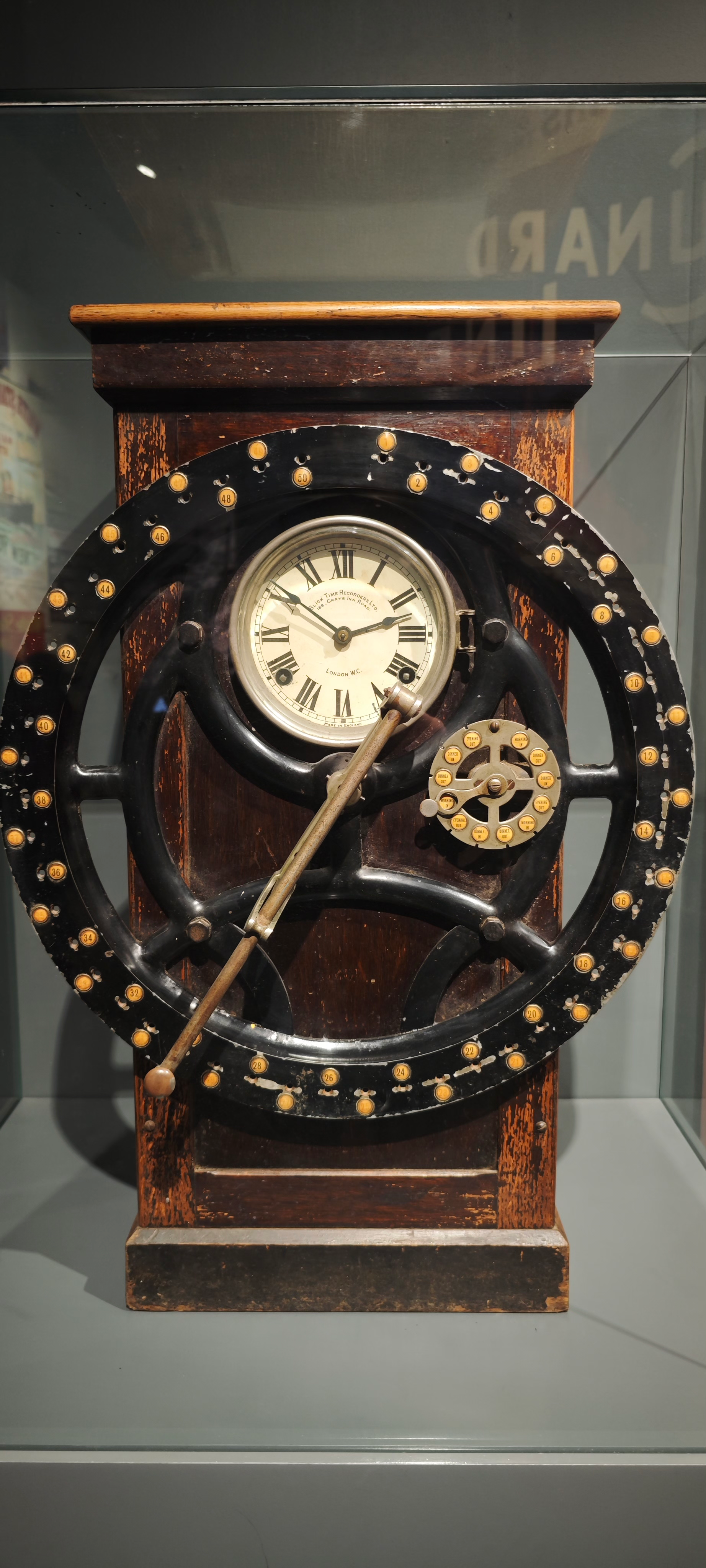
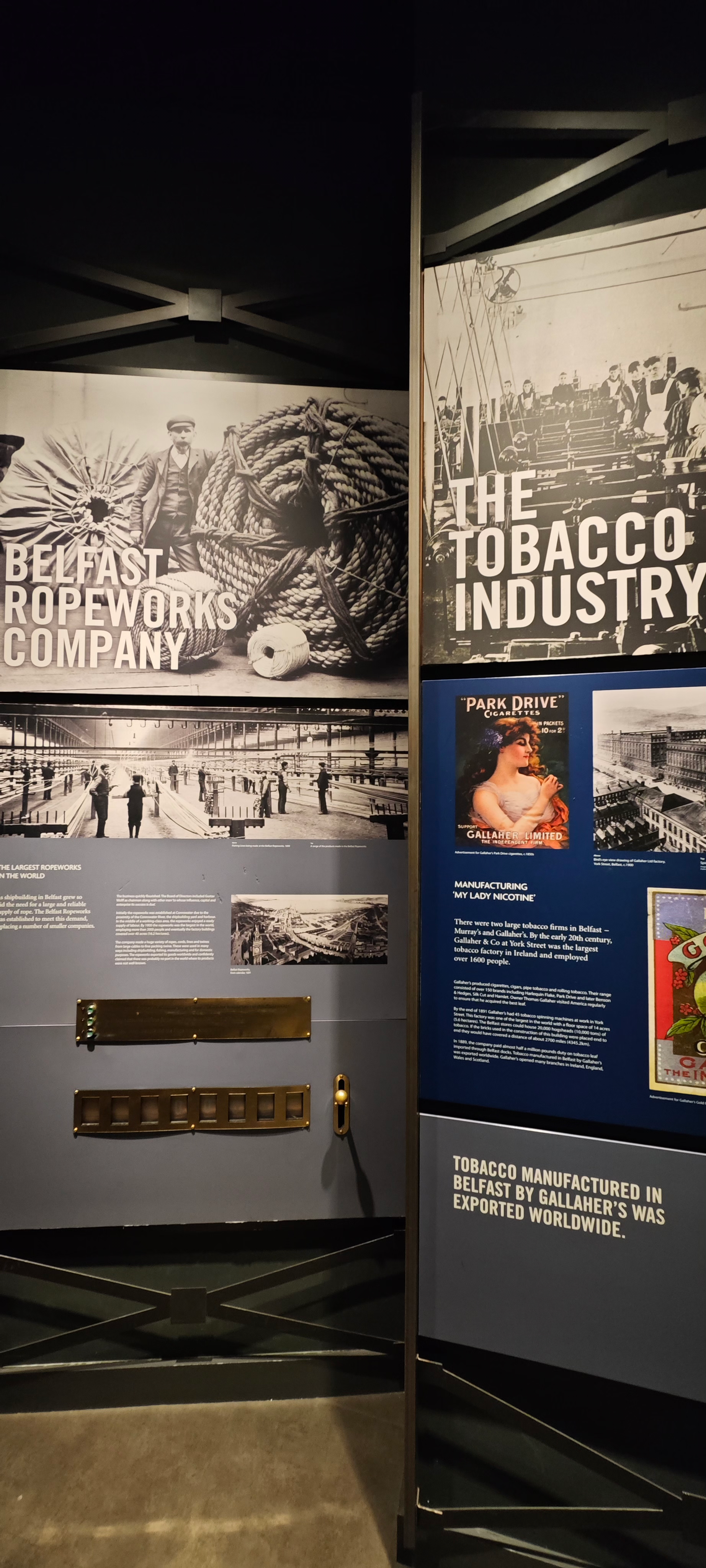
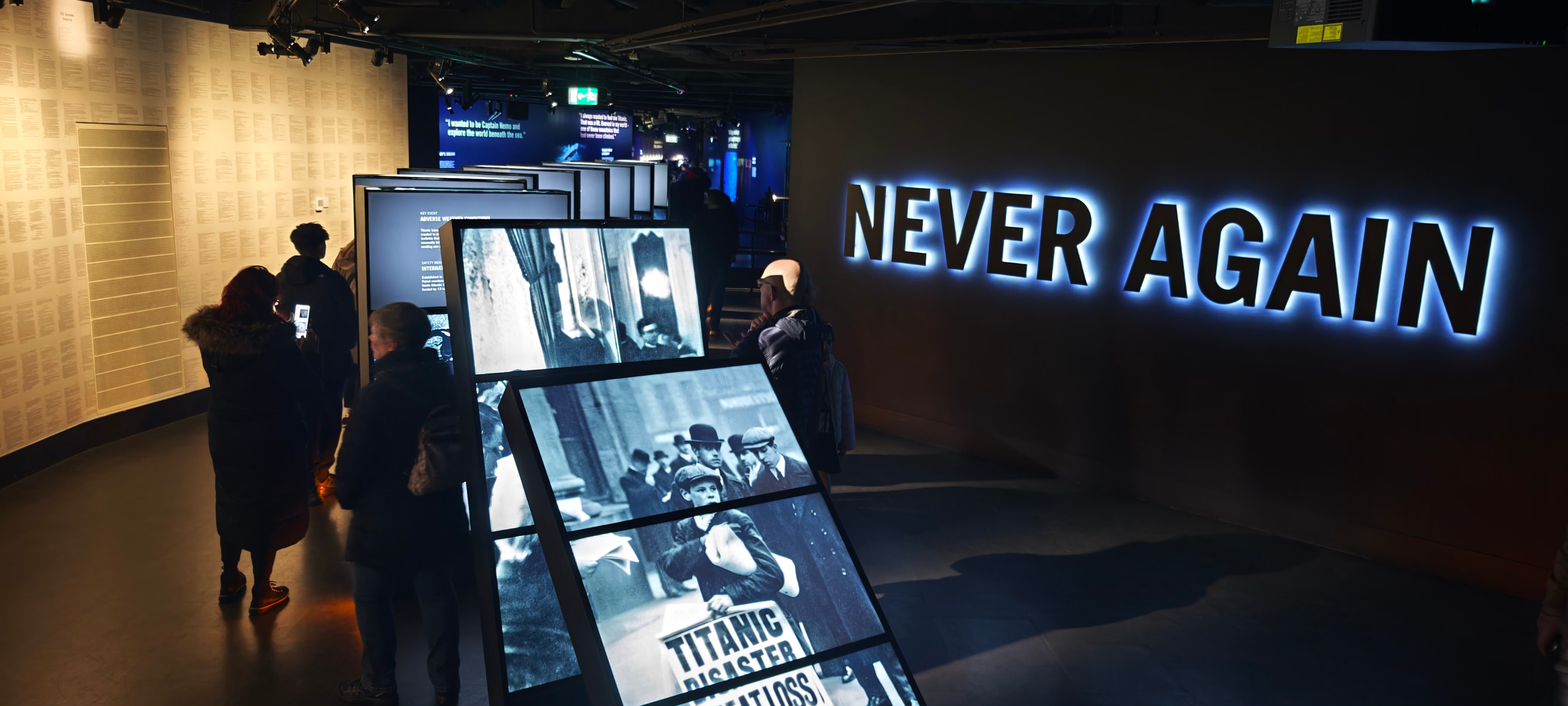
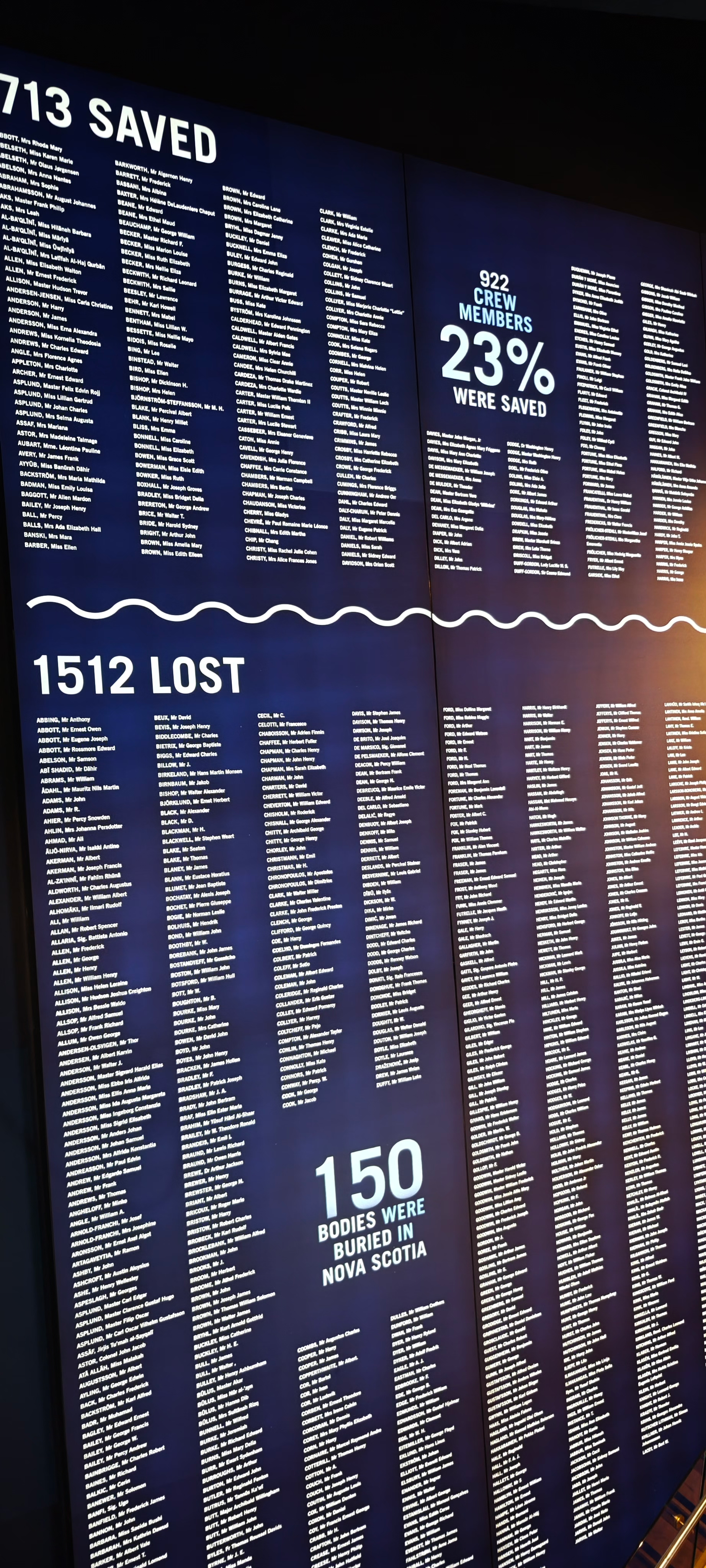
The exhibition spans ten galleries, taking visitors through every aspect of the Titanic's story. It starts with Belfast's industrial growth, moves through the ship's construction and launch, and continues to its tragic end and eventual discovery. The museum uses various techniques to tell this story - there's a ride through a recreation of the shipyard (complete with heat effects), detailed models, and cabin recreations. Sometimes, it feels a bit overwhelming with information, but the quality of the exhibitions makes it worthwhile.
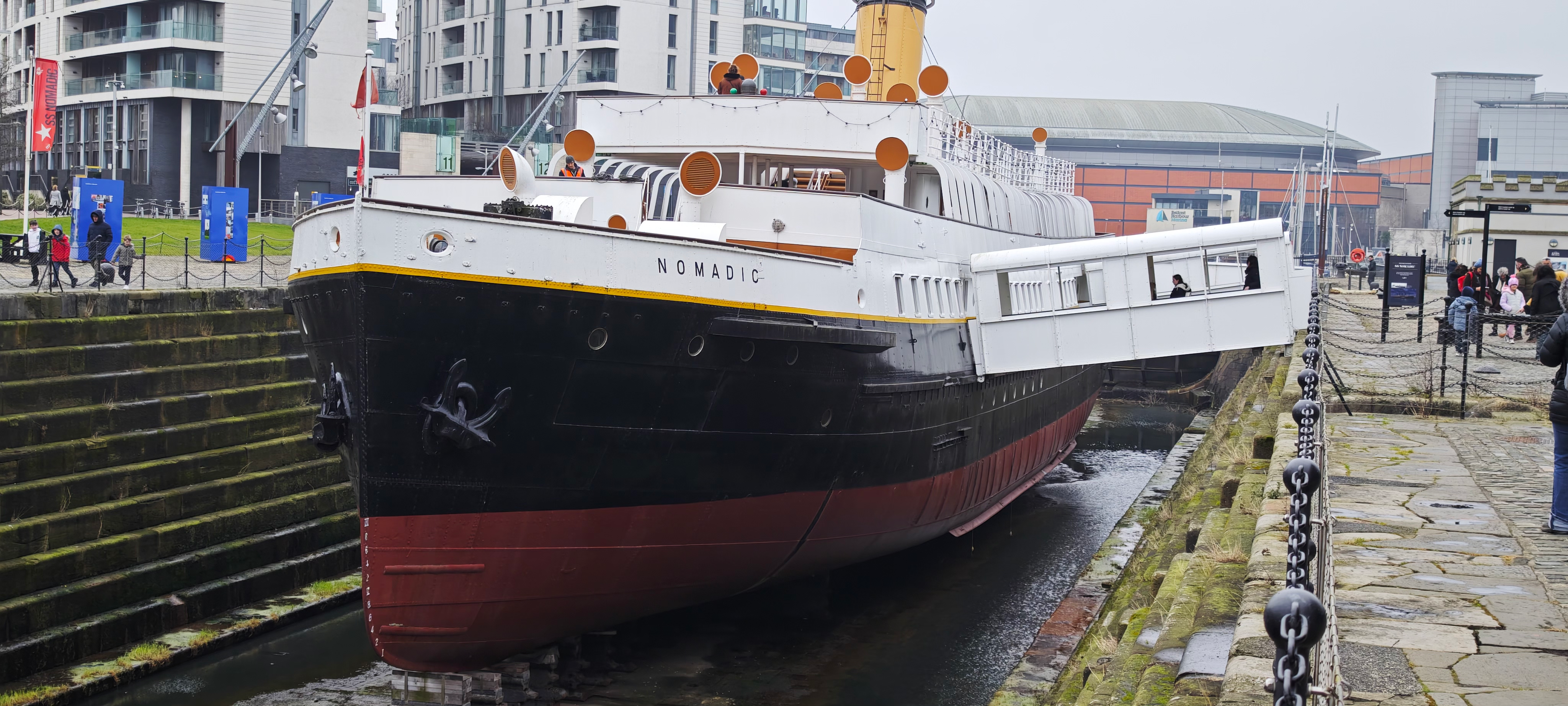
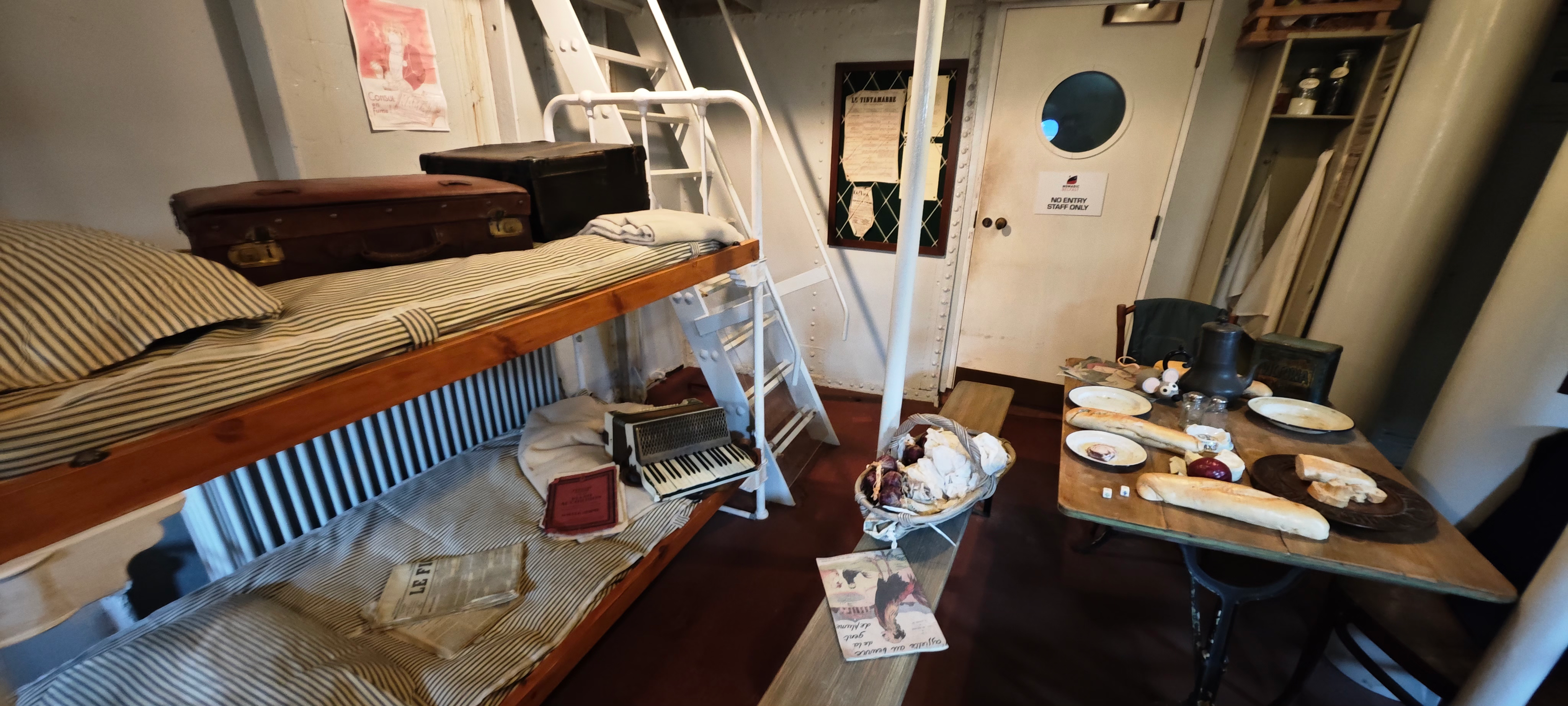
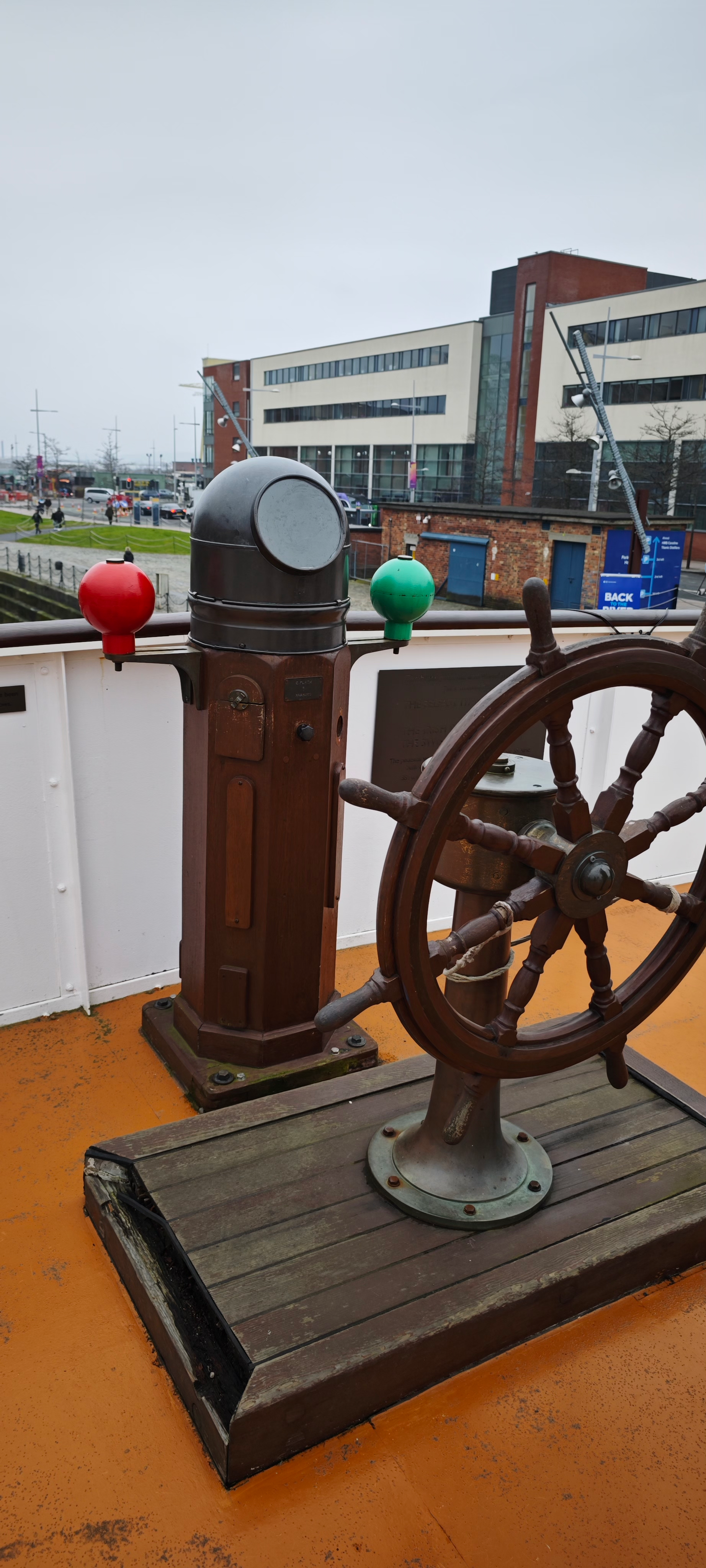
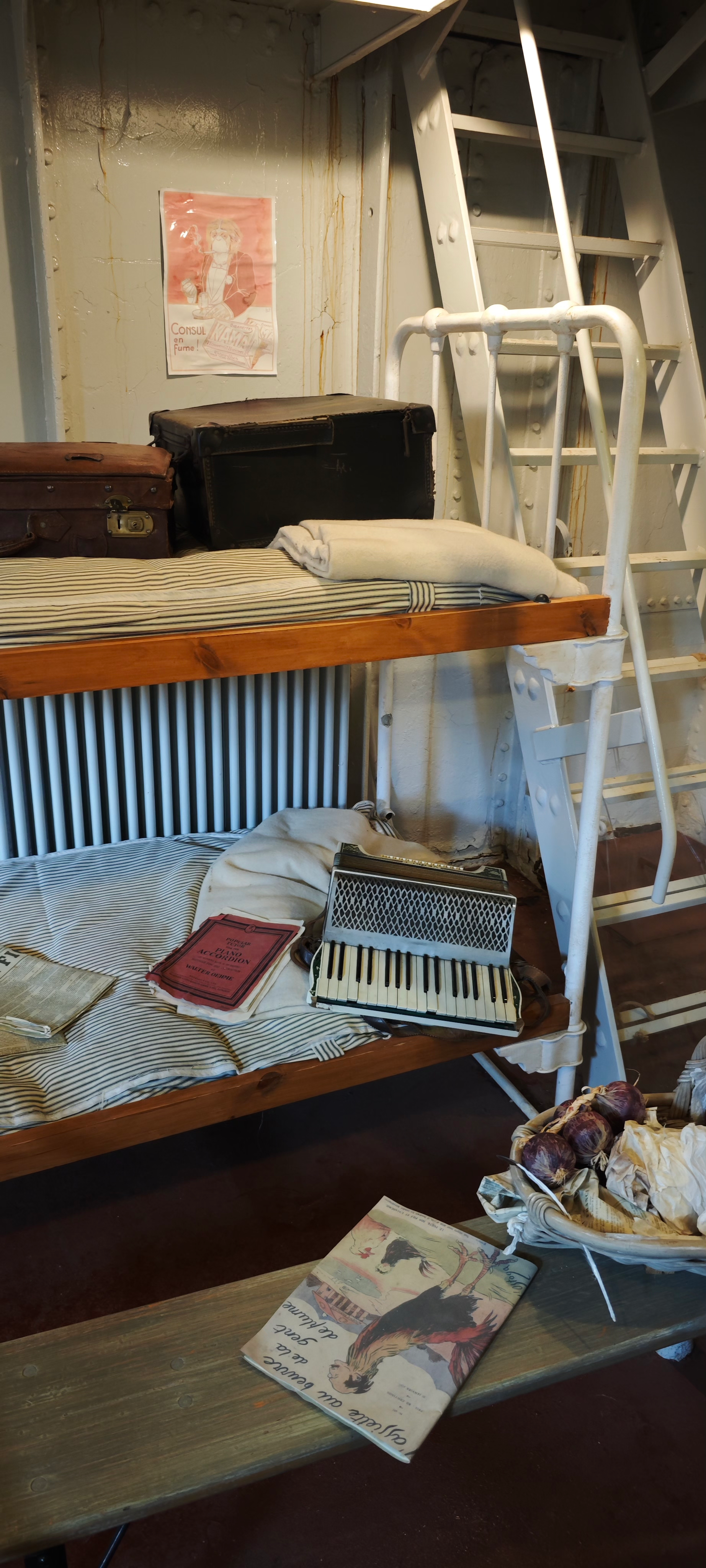
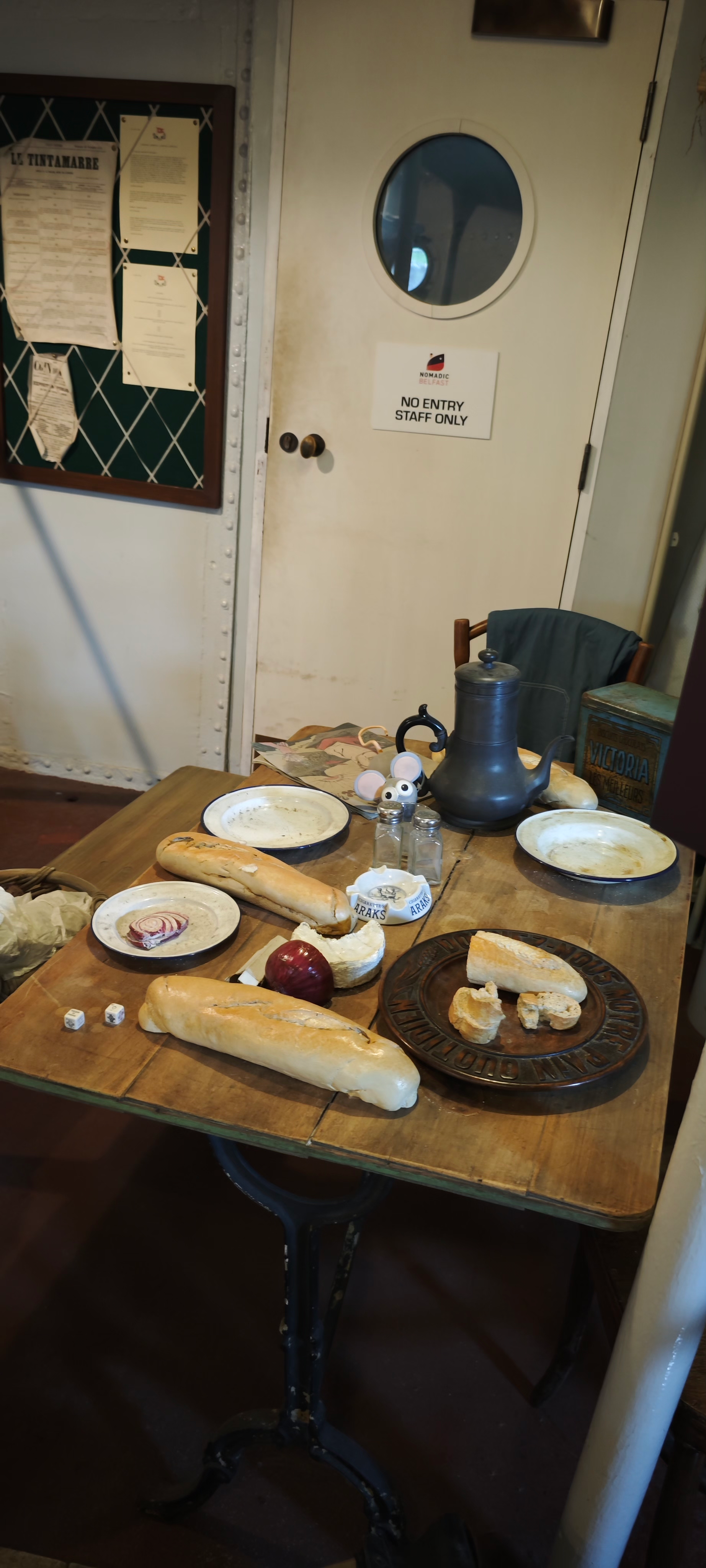
An interesting addition to the experience is the SS Nomadic, which is docked nearby in the Hamilton Graving Dock. This smaller ship served as Titanic's tender vessel in Cherbourg and is the last remaining White Star Line ship. It offers a tangible connection to the era and helps complete the story.
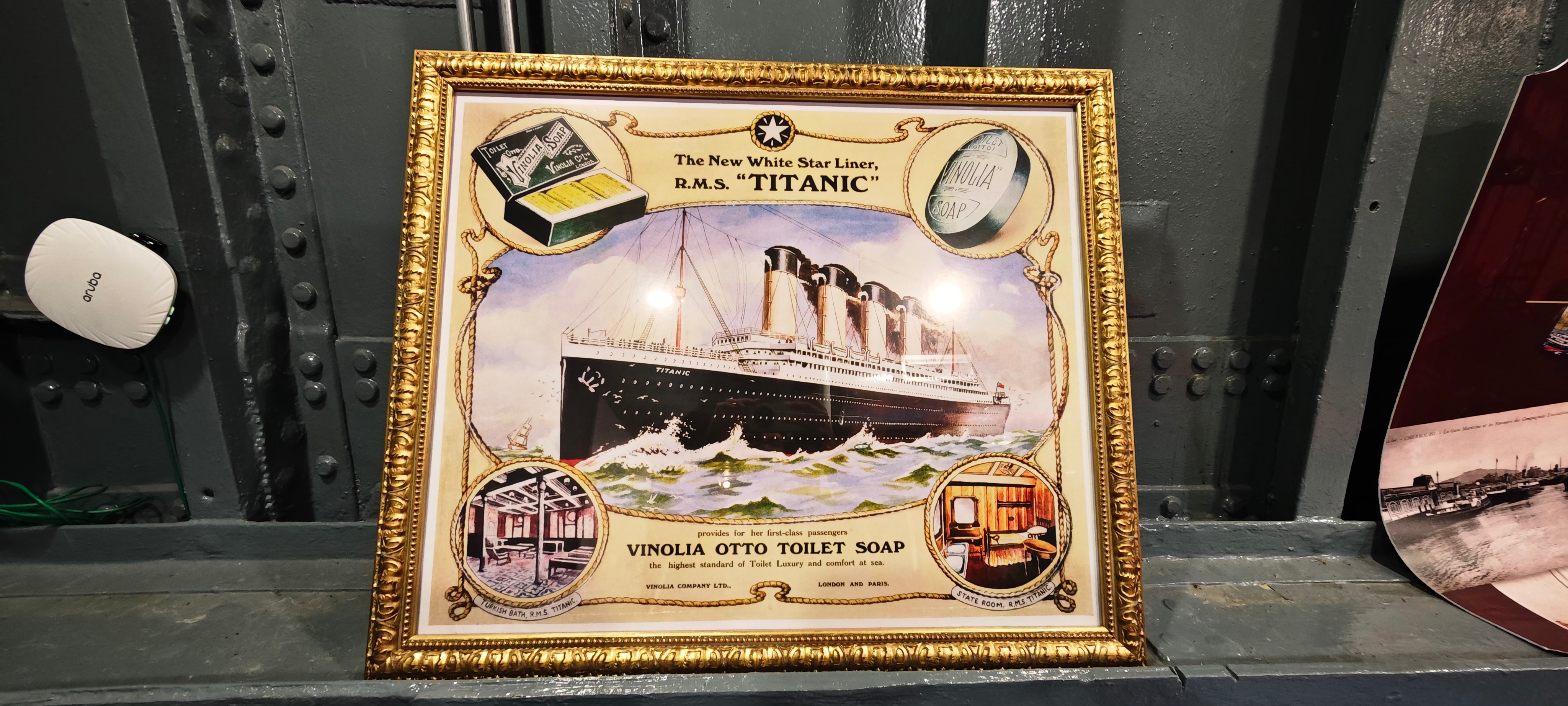
Practical Tips:
The self-guided experience now covers ten galleries. Titanic Experience admission also includes SS Nomadic. Allow several hours and check official visitor information. An entry ticket on Tiqets lets you book without automatically adding a sightseeing bus you may not need.
The Titanic Belfast manages to tell a complex story about pride, ambition, and craftsmanship while acknowledging the tragic end of the ship. It's become an essential part of modern Belfast's identity, transforming what could have been just a painful memory into something the city can learn from and, in many ways, be proud of - not of the disaster itself but of the remarkable achievement that came before it.