Three and a Half Days in Vienna
Liat was attending a conference in Vienna – the historic capital of the Habsburg Empire and the Austrian state. The meeting took place in...
Liat’s conference brought us to Vienna in late November. It was cold and dark early, but the Christmas markets made the evenings part of the pleasure. Lights, food stalls and hot punch gave the city a wonderful atmosphere.
After a one-hour flight delay, we headed to ibis Styles Wien Messe Prater. The rooms were small, but we liked the lobby and breakfast.
The old standard 48- and 72-hour transport tickets are no longer sold. Check 24-hour or 7-day tickets for your stay. Airport travel is outside the Vienna core zone and needs appropriate additional coverage.
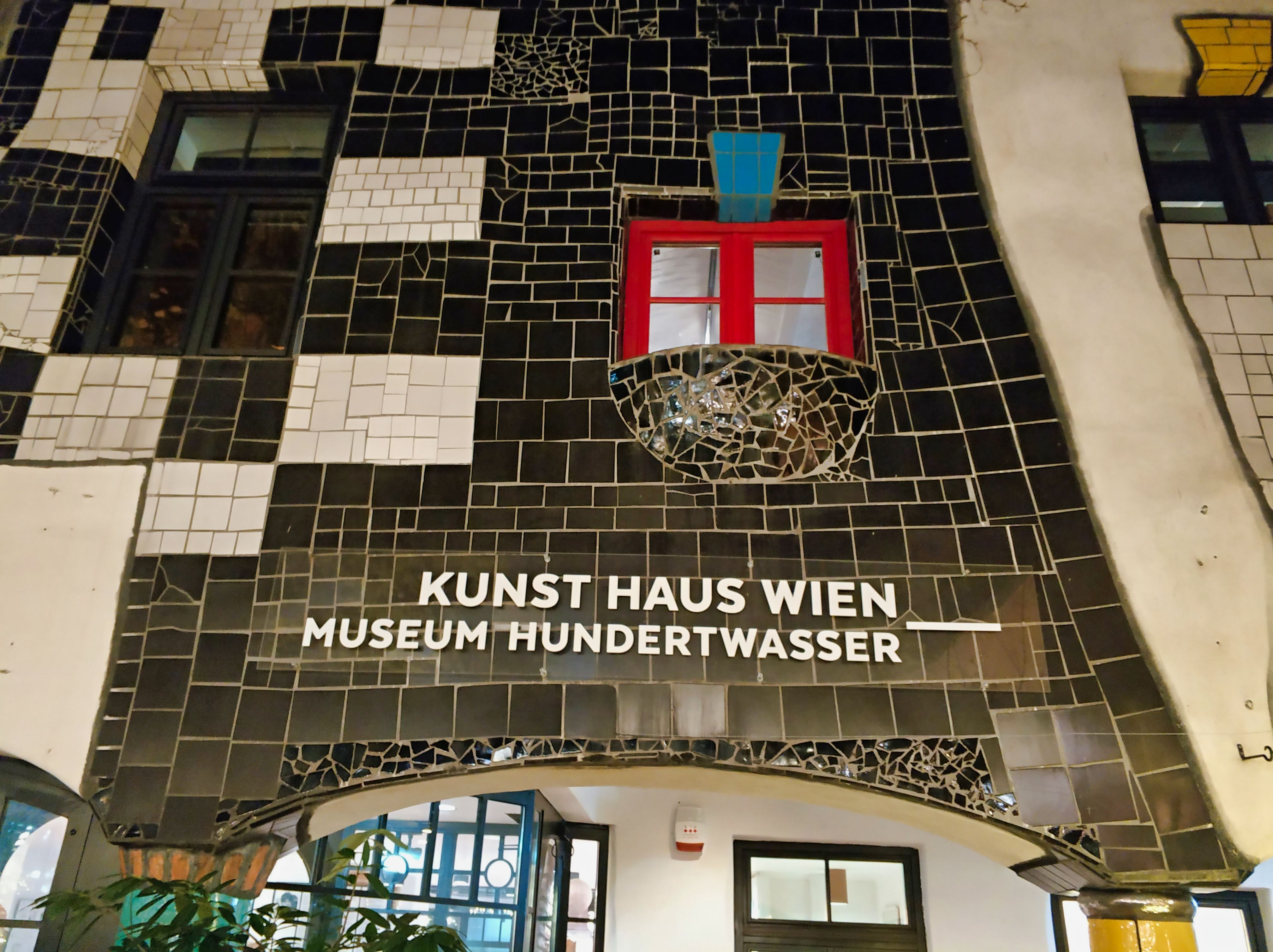
That afternoon we visited the nearby Hundertwasser Museum, devoted to the artist’s colourful work.
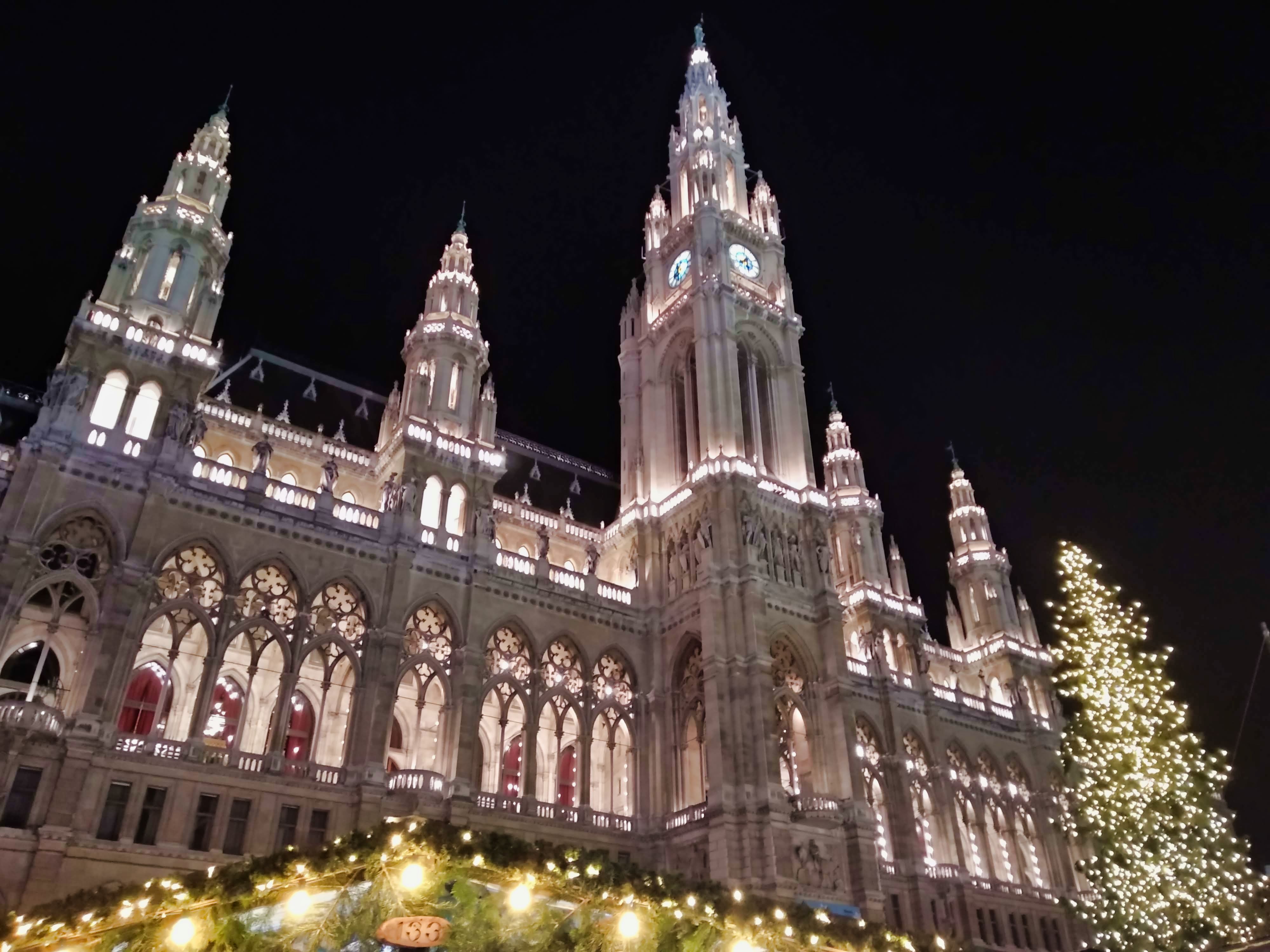
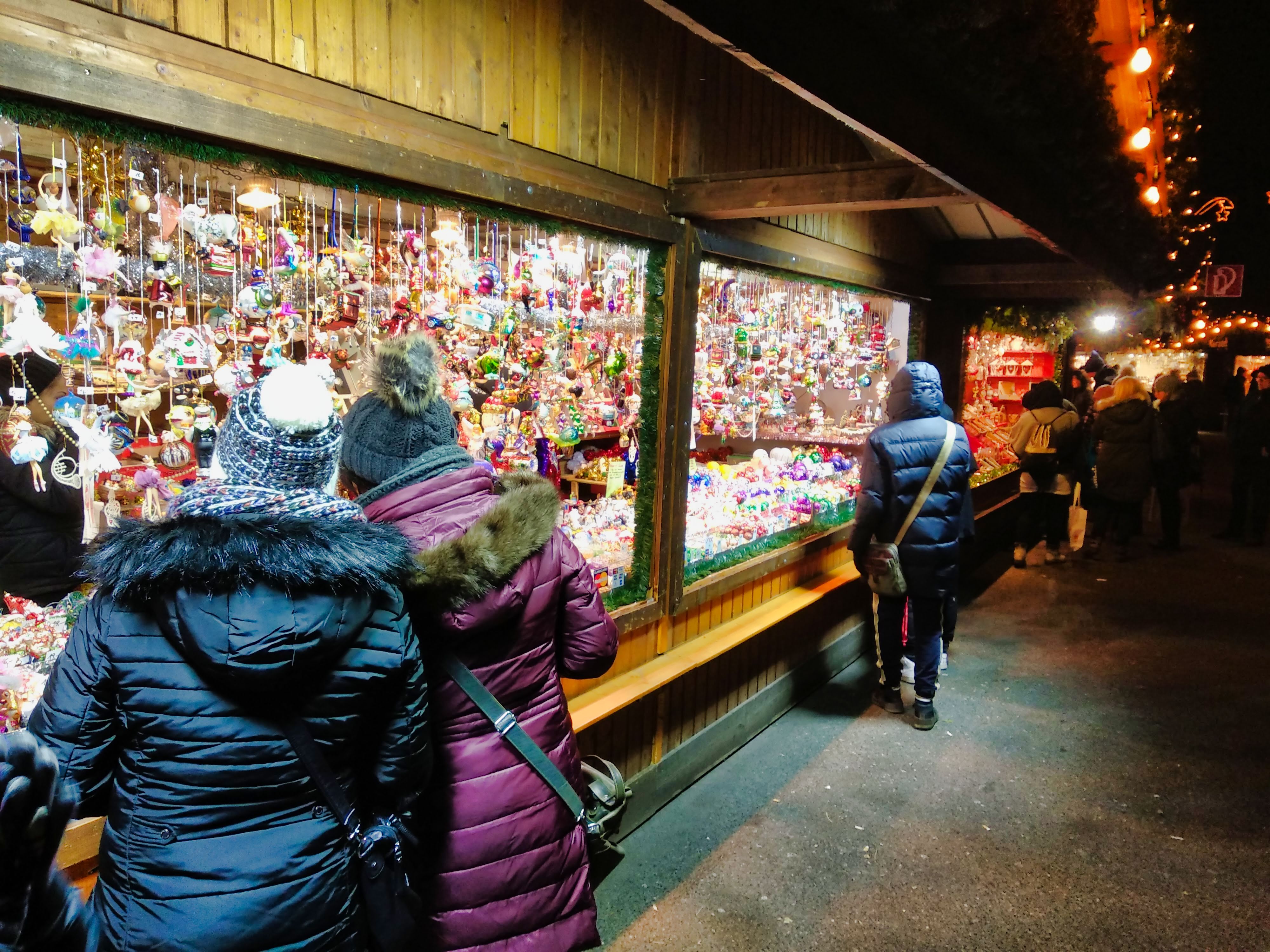
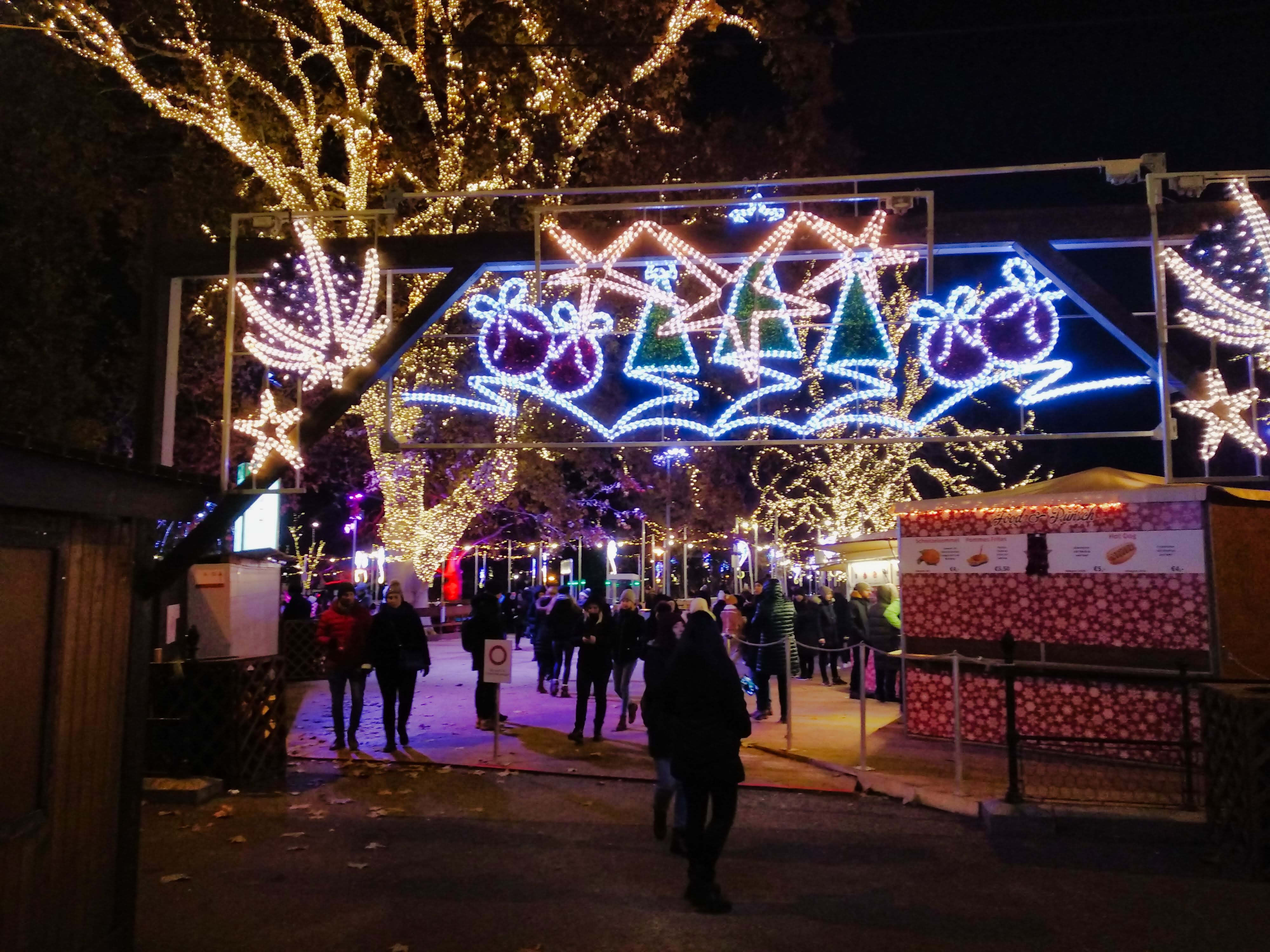
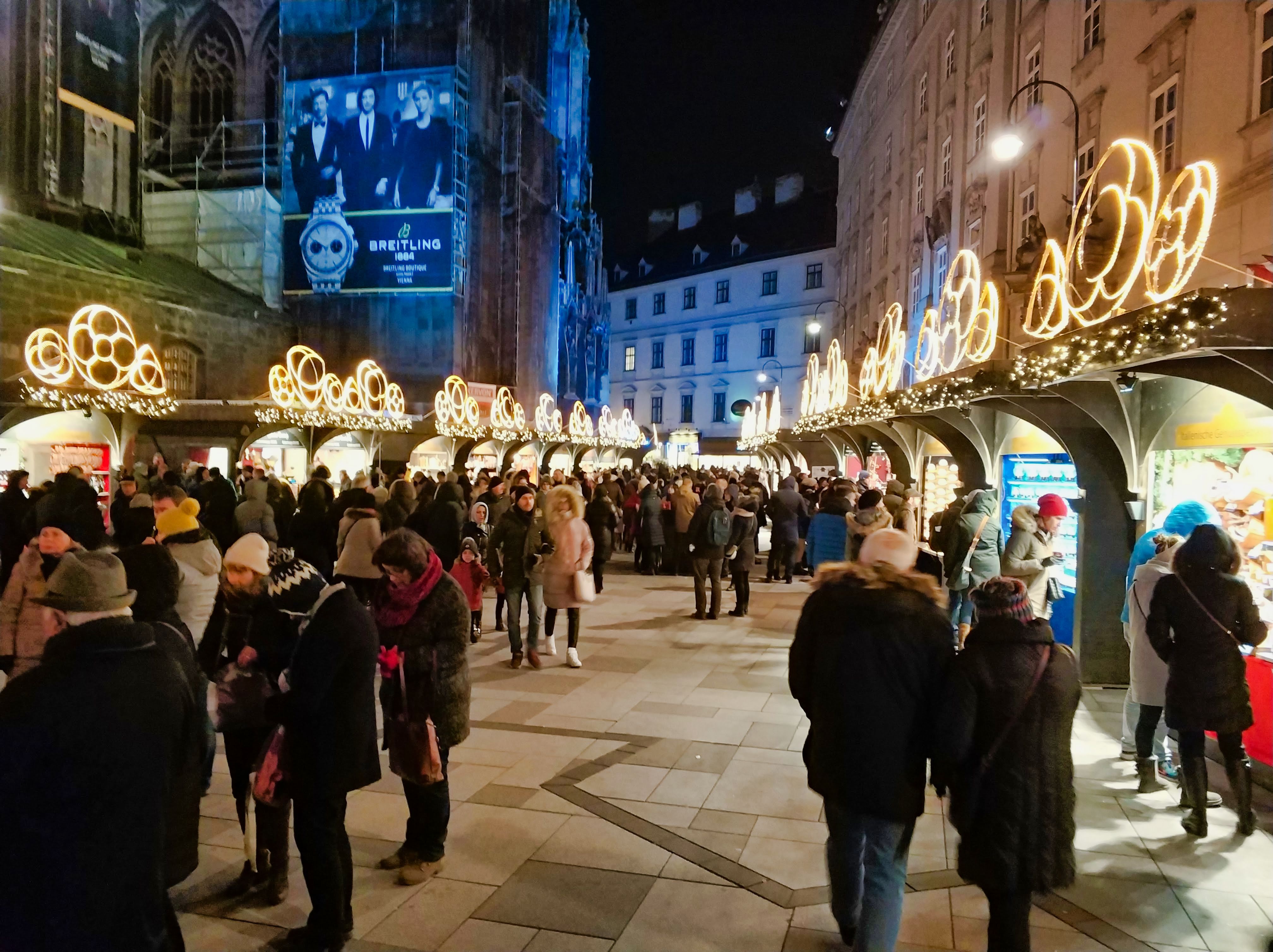
Most of the museums in Vienna close at 18:00, so we headed to the largest Christmas market located in front of the City Hall: 150 stalls of artists, decorations sellers, hot dogs, and punch. We are not used to Christmas markets, so all the lights and colors make a big impression. We tried it all: two hot dogs, soup in bread, and some different types of punch. Fun.
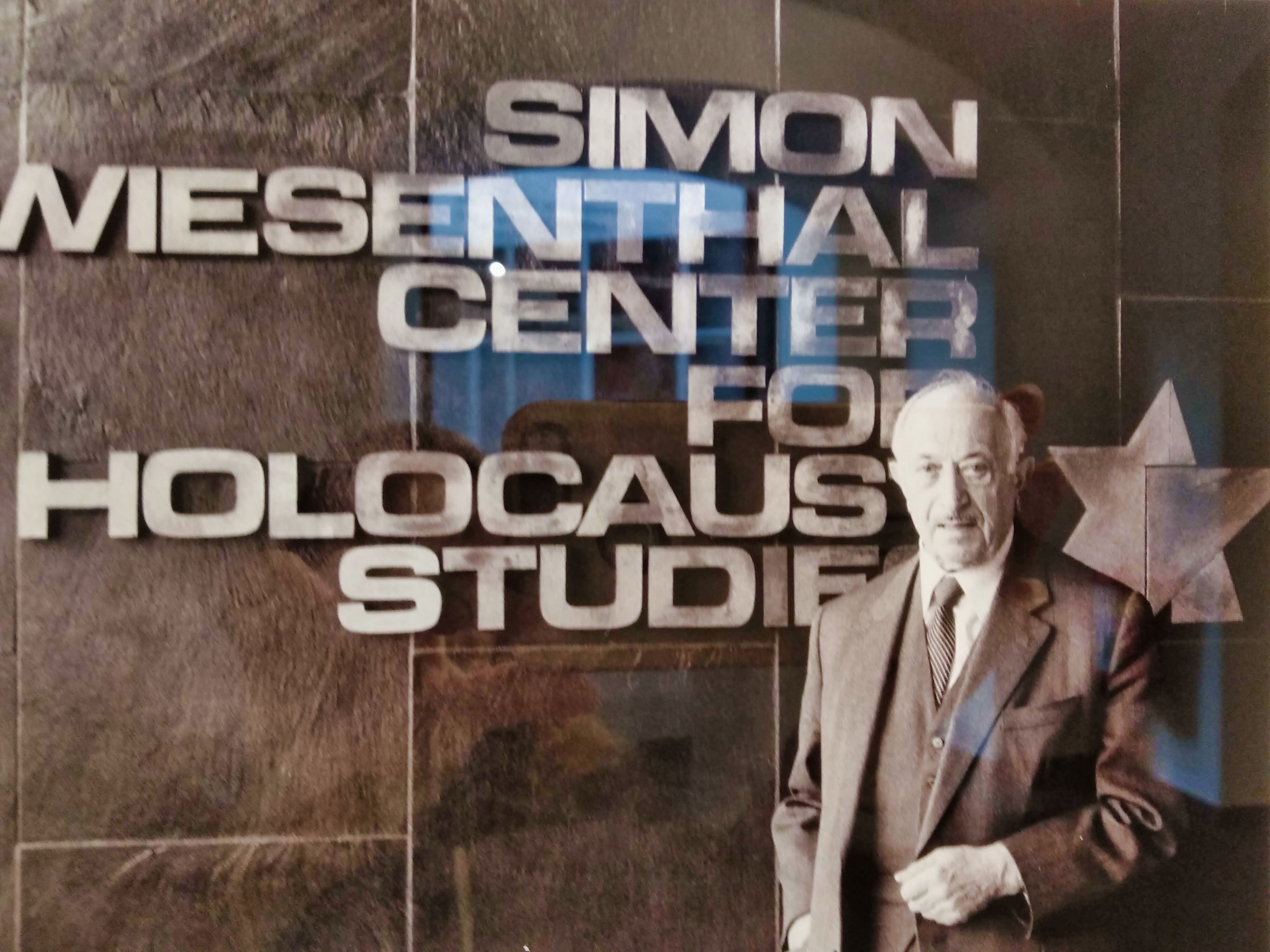
The next day, we wanted to visit the synagogue in the old city, but it wasn't open to visitors. So instead, we saw the Wiesenthal Institute just next to it. It's a museum and research library founded by Simon Wiesenthal, the famous Nazi hunter who looked for Nazi criminals worldwide. We went in to explore the small exhibition about the life of this unusual and brave man.
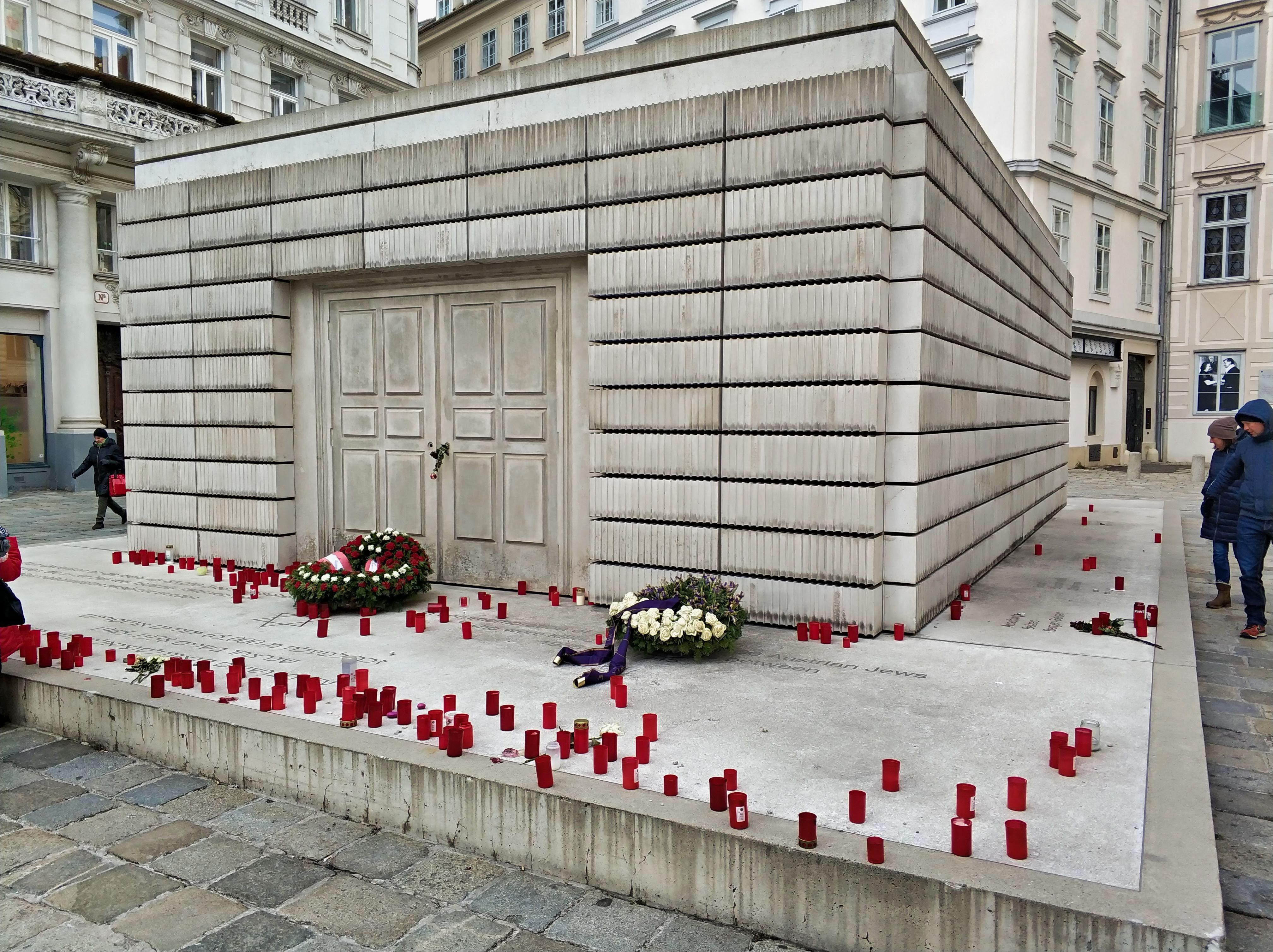
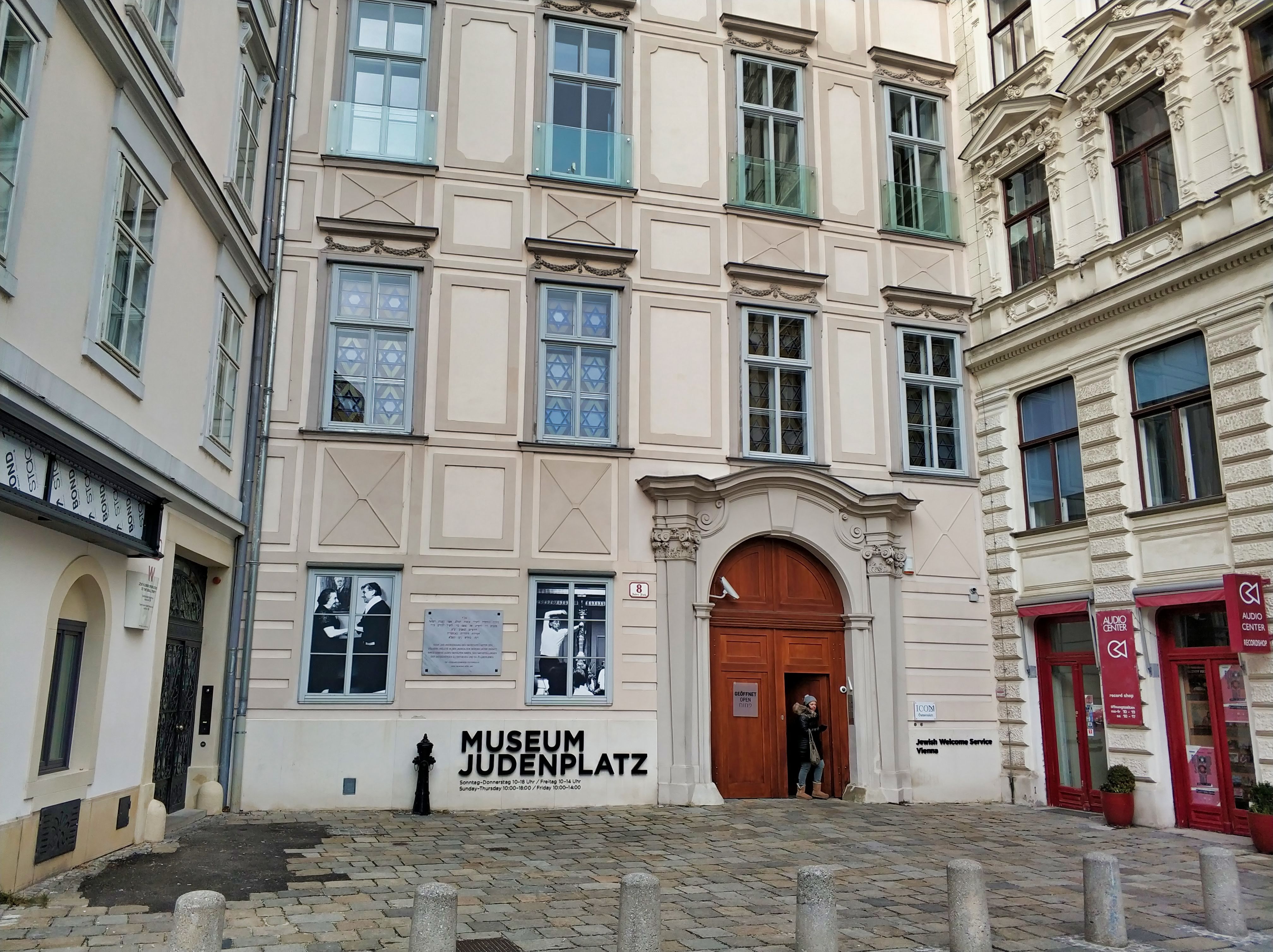
Afterward, we headed to the Judenplatz, where the old synagogue burned down in 1421 when the emperor burned all the Jews who refused to convert their religion to Christianity. Above the ruins of the temple now stands the Judenplatz Holocaust Memorial, revealed in the year 2000. There is also a museum with an exhibition of Vienna's Jewish community in the middle ages and temporary displays.
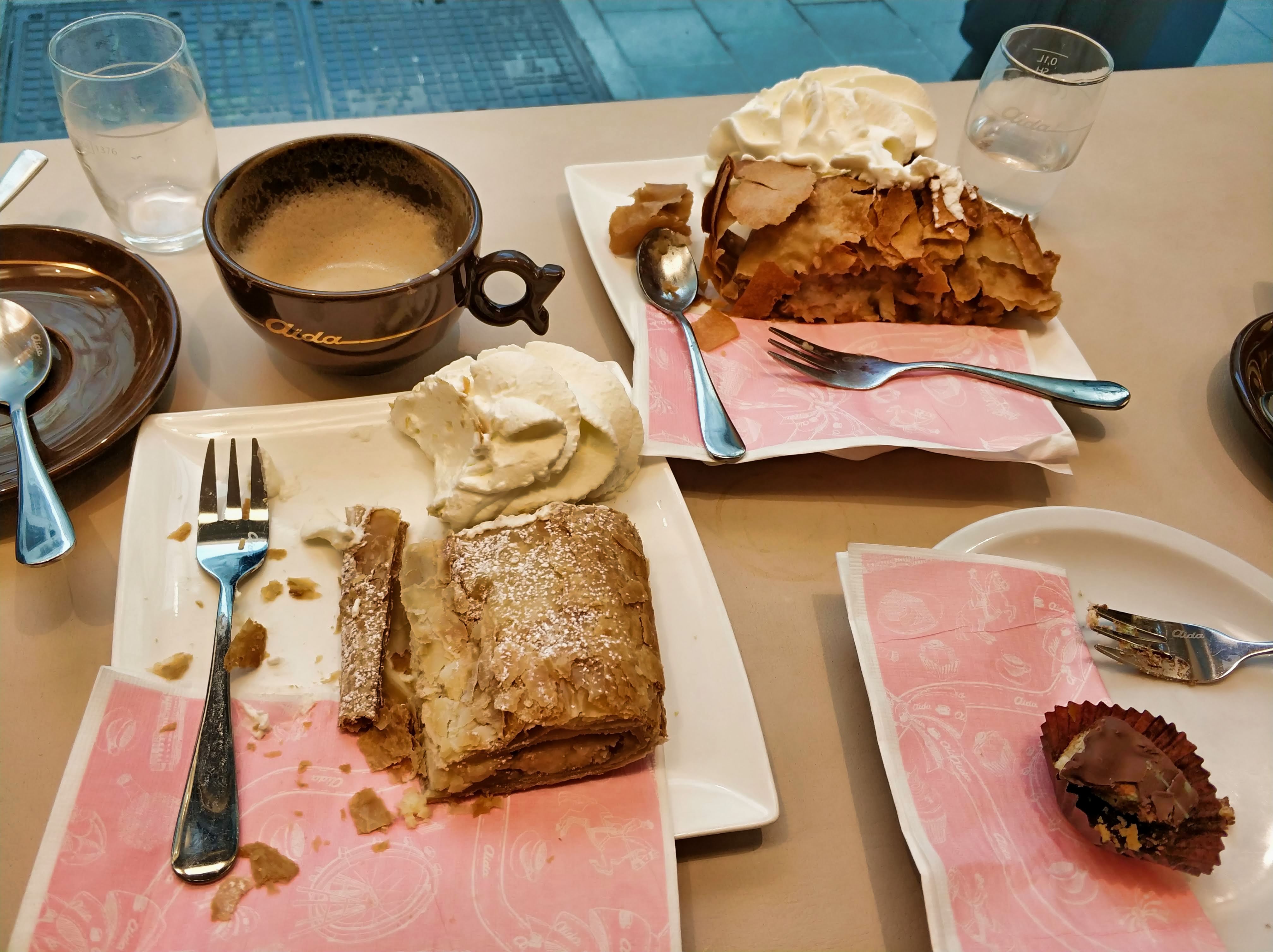
Not far from the Judenplatz stands a branch of Aida café. It looks very prestigious, with tens of coffee types and cakes – we had to get in. We ordered coffee, strudel (the famous Austrian cake) and a cheesecake. It was horrible. The service was terrible, either. Stay away.
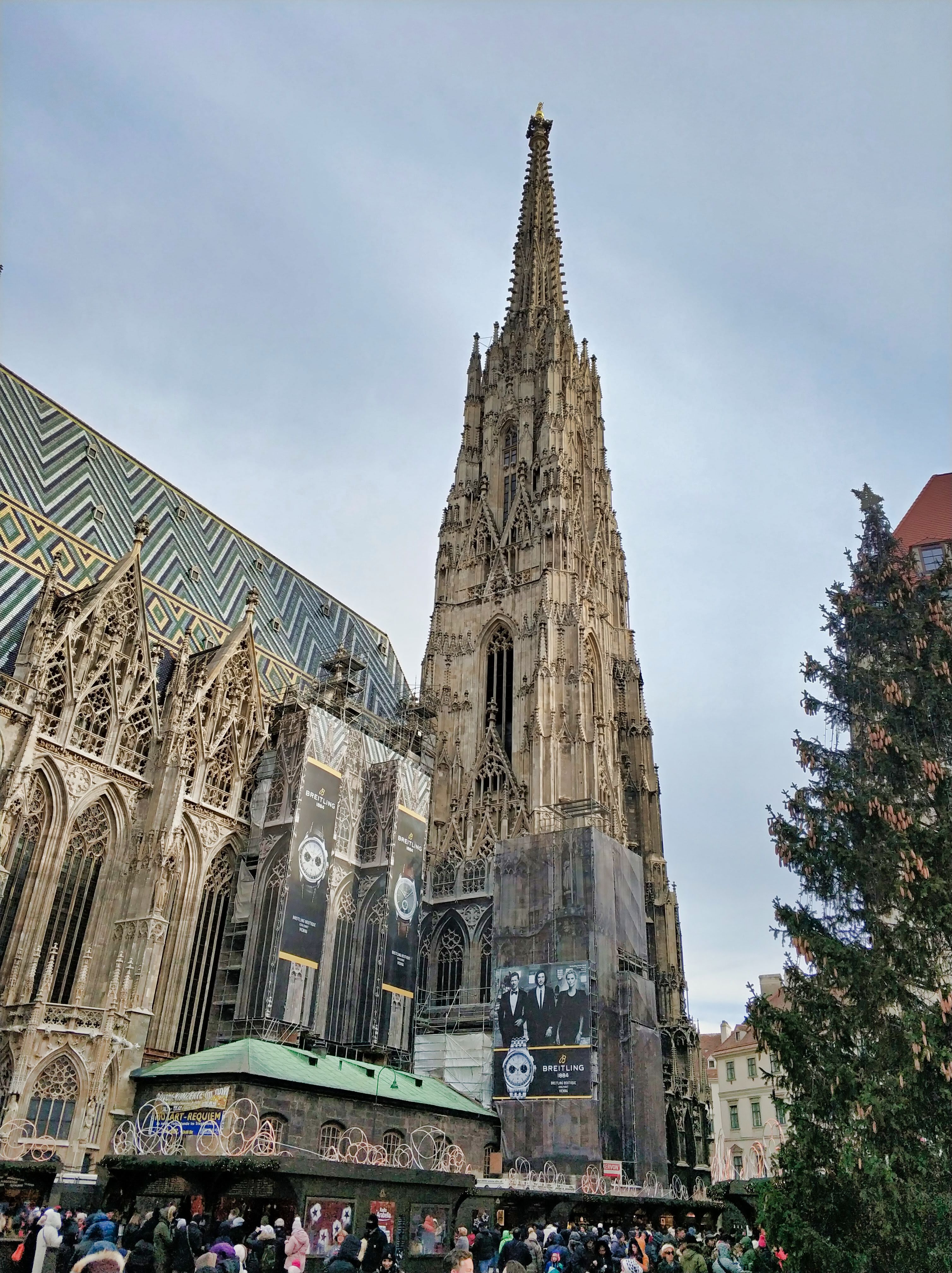
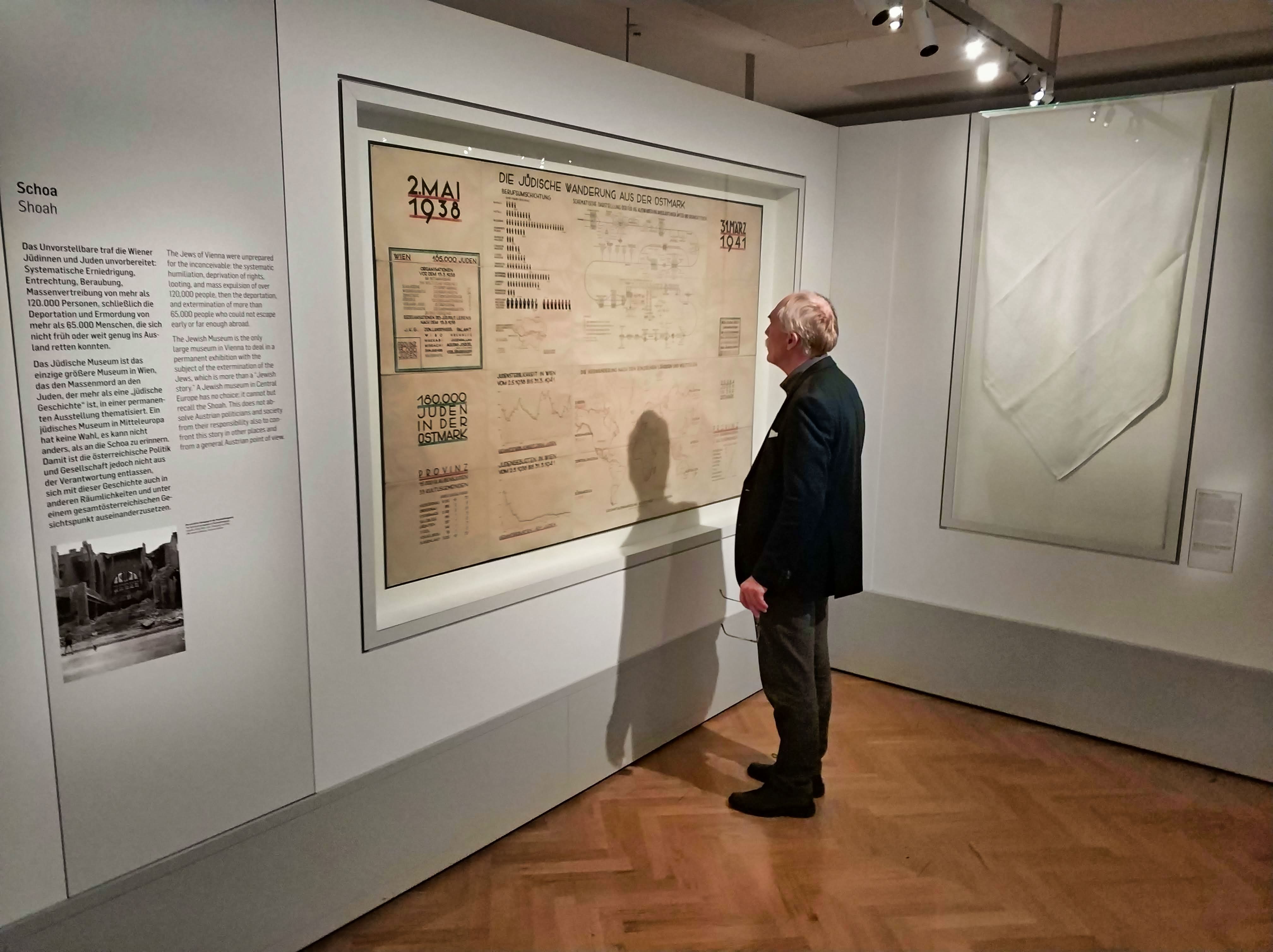
After a short visit to the vast St. Stephan Cathedral, we headed to the second part of the Jewish Museum, a few minutes walk from the first one. The museum tells the story of the three Jewish communities of Vienna: the first was in the middle ages, ended tragically by Albert V, Archduke of Austria. The second community lived here from the 16th century until most of the 185 thousand Jews of Vienna got murdered during the Holocaust. After 1945, the Jewish community in Vienna started recovering slowly.
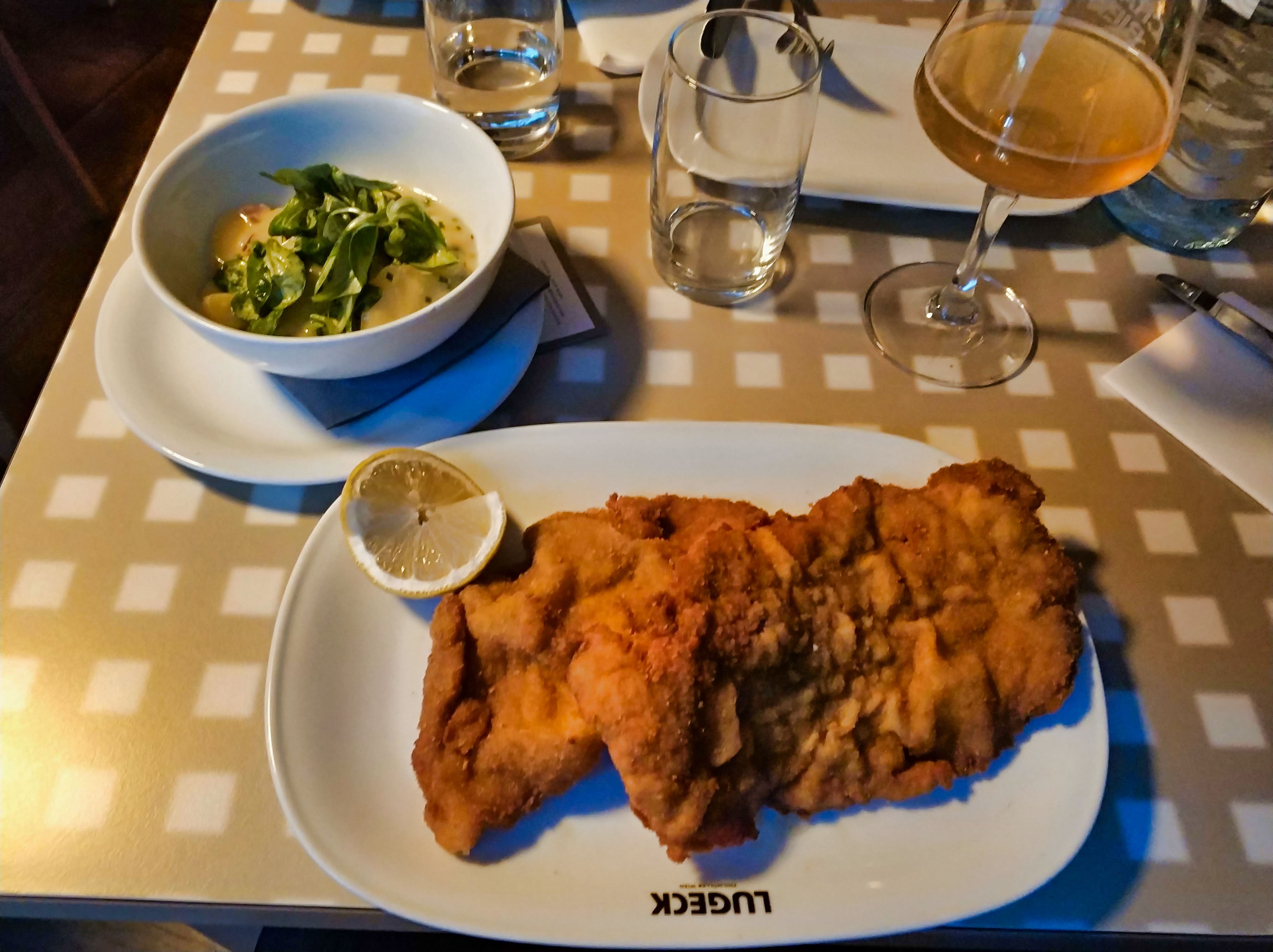
We hoped to eat an authentic Wiener Schnitzel – a traditional Austrian fried dish made of veal covered with flour, eggs, and breadcrumbs. There is a famous restaurant in the old town, but their two branches were full, so we ate our lunch at a nearby restaurant called Lugeck. It was tasty and a little bit expansive.
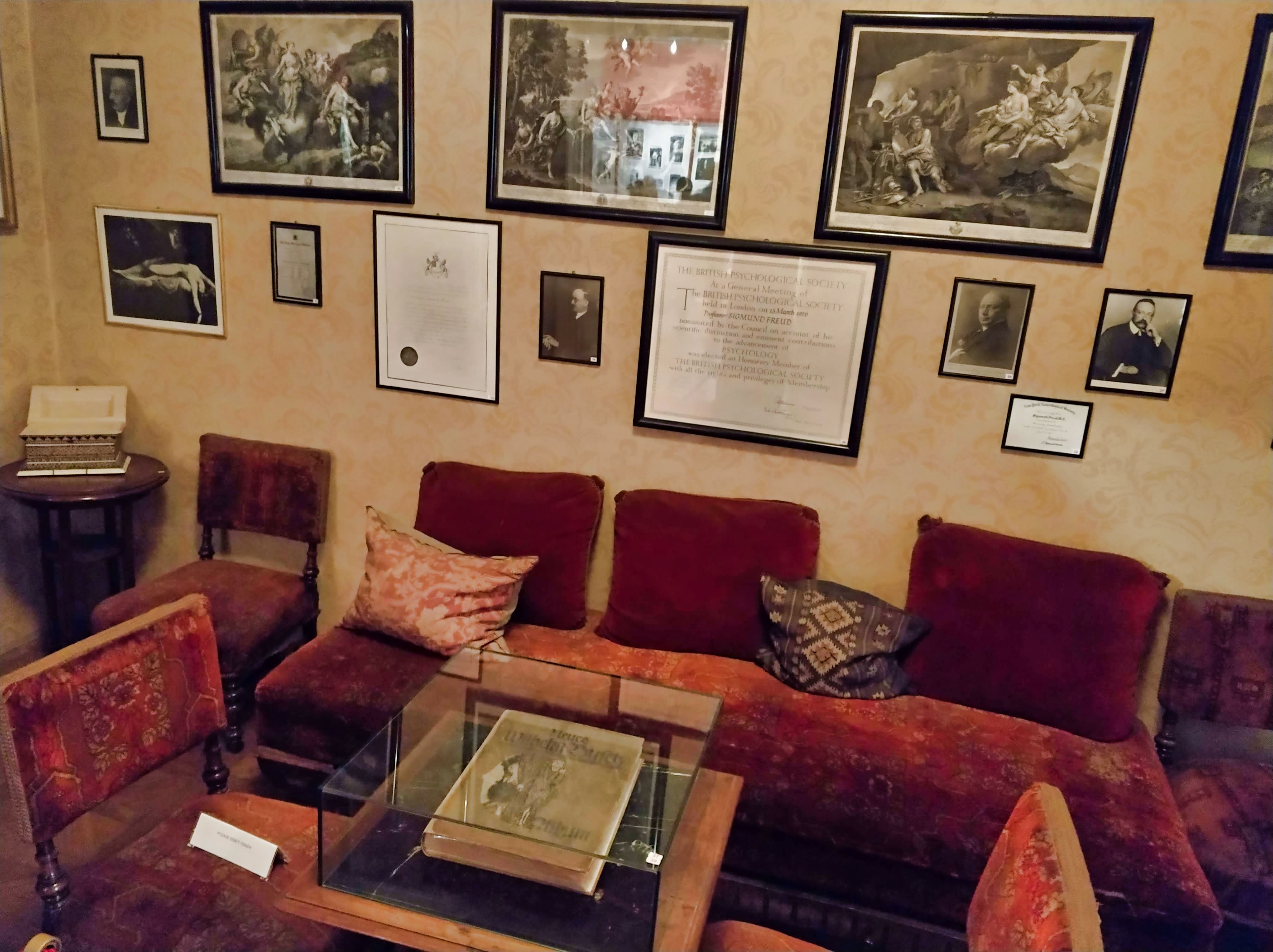
We left the Freud Museum disappointed in 2018: the rooms then open and their presentation did not, for us, do justice to the man and his ideas. The museum has since been extensively renovated and expanded, reopening in 2020. It now includes the family’s private rooms and the practices of both Sigmund and Anna Freud. This is a different display from the one we saw; explore the current museum when deciding whether to visit.
The sunset in December comes at 16:00, so we went back to Stephanplatz, the city's main square near the St. Stephan Cathedral. First, we examined the Christmas market in front of the Cathedral. Then, of course, we drank punch. It looks like everybody drinks punch. It helps with the cold. And we ate hot dogs - they are so delicious…
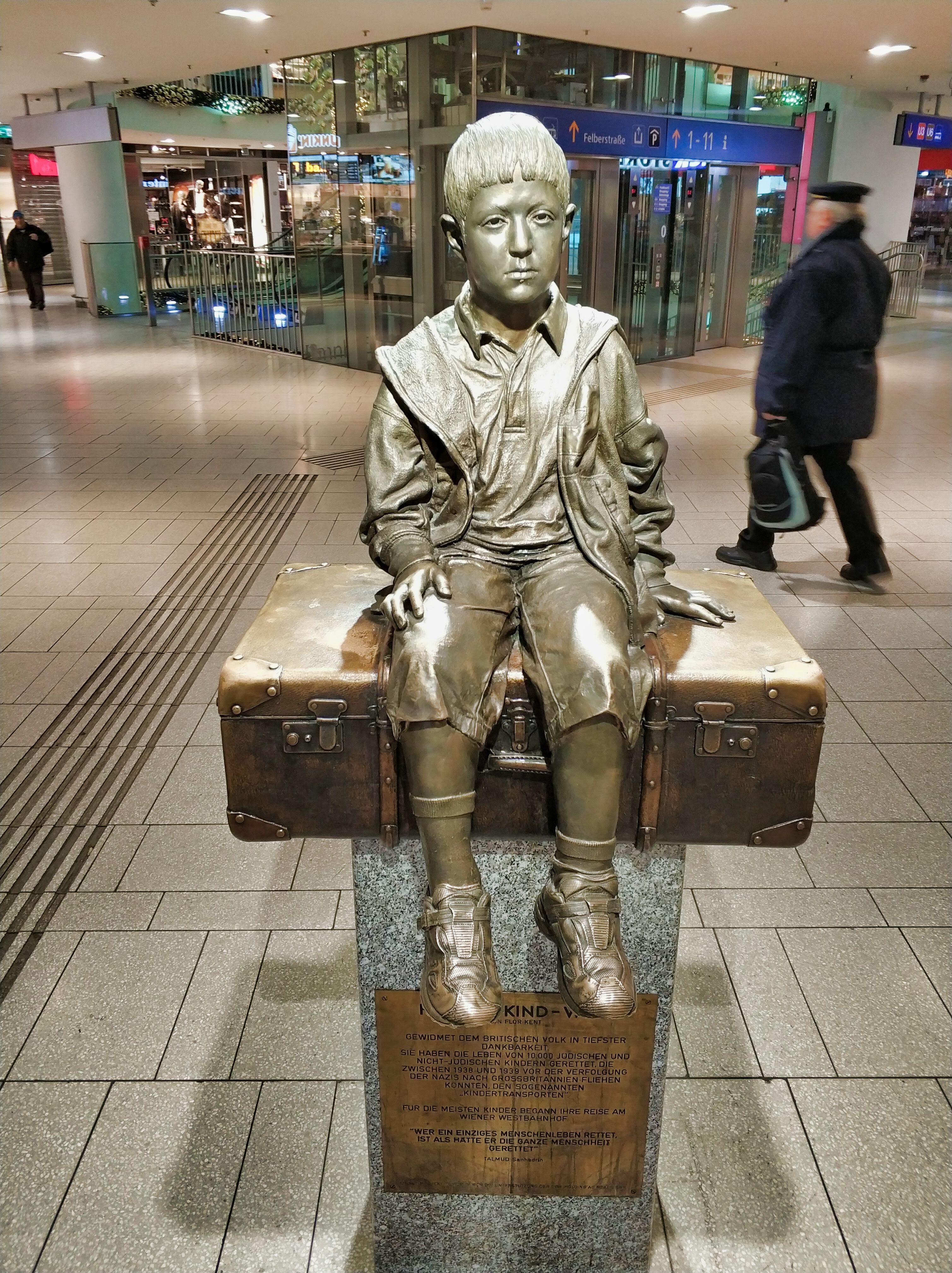
We got up early on the third day and went to another hotel: Mercure Wien Westbahnhofon the other side of the city. The conference of Liat took place here, so we thought it would be more comfortable to sleep in here. It's located near the central railway station, and while finding our way, we saw a monument of a little sad Jewish child sits in a suitcase. A Memorial for the Kindertransport, an operation that sent thousands of Jews from Germany and Austria to the United Kingdom just before the Second World War started to save their lives from the Nazis.
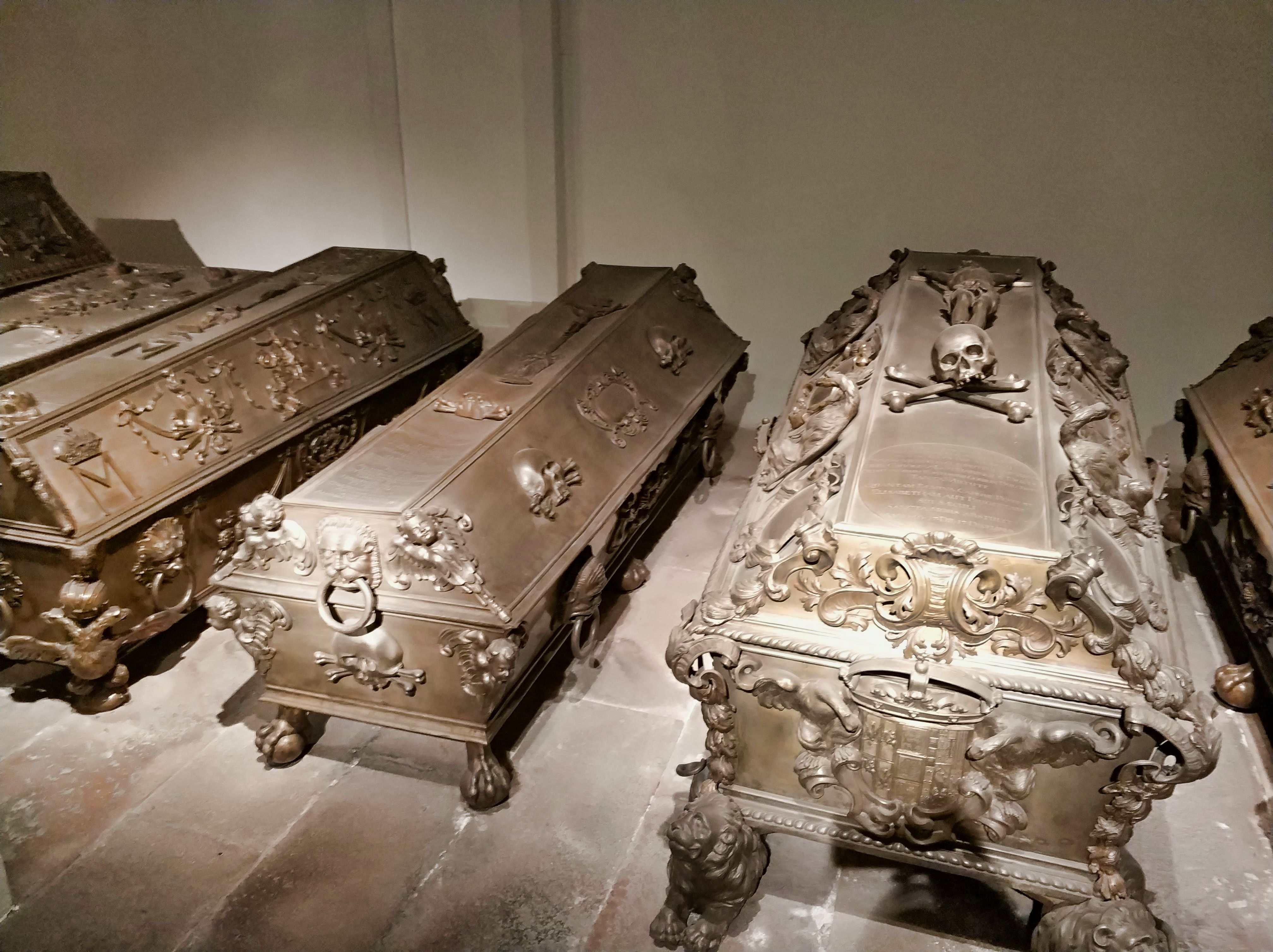
Liat went to her conference while I went on a day full of museums. I started in the Imperial Crypt, where 150 members of the Habsburg dynasty are buried.
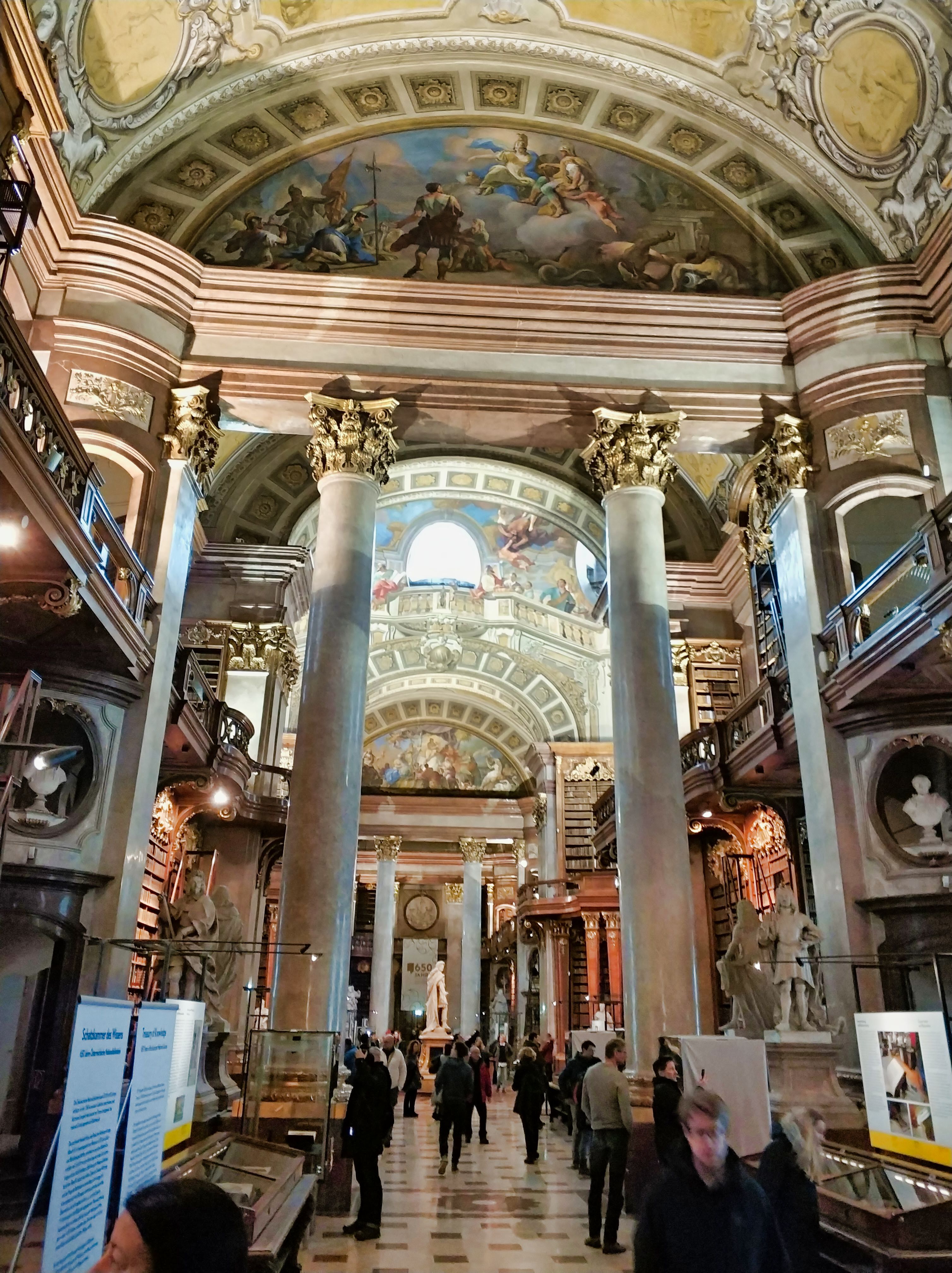
From there, I headed to the Austrian National Library. This beautifully decorated hall is full of explanations about the library's history and its content. Very impressive. By the way, there are long lines for tickets. While standing in the front, I ordered a ticket online. By the time I finished the process and got mobile access directly to my smartphone, I was only in the middle of the line. Keep in mind - when traveling time is short – you don't want to waste it on lines.
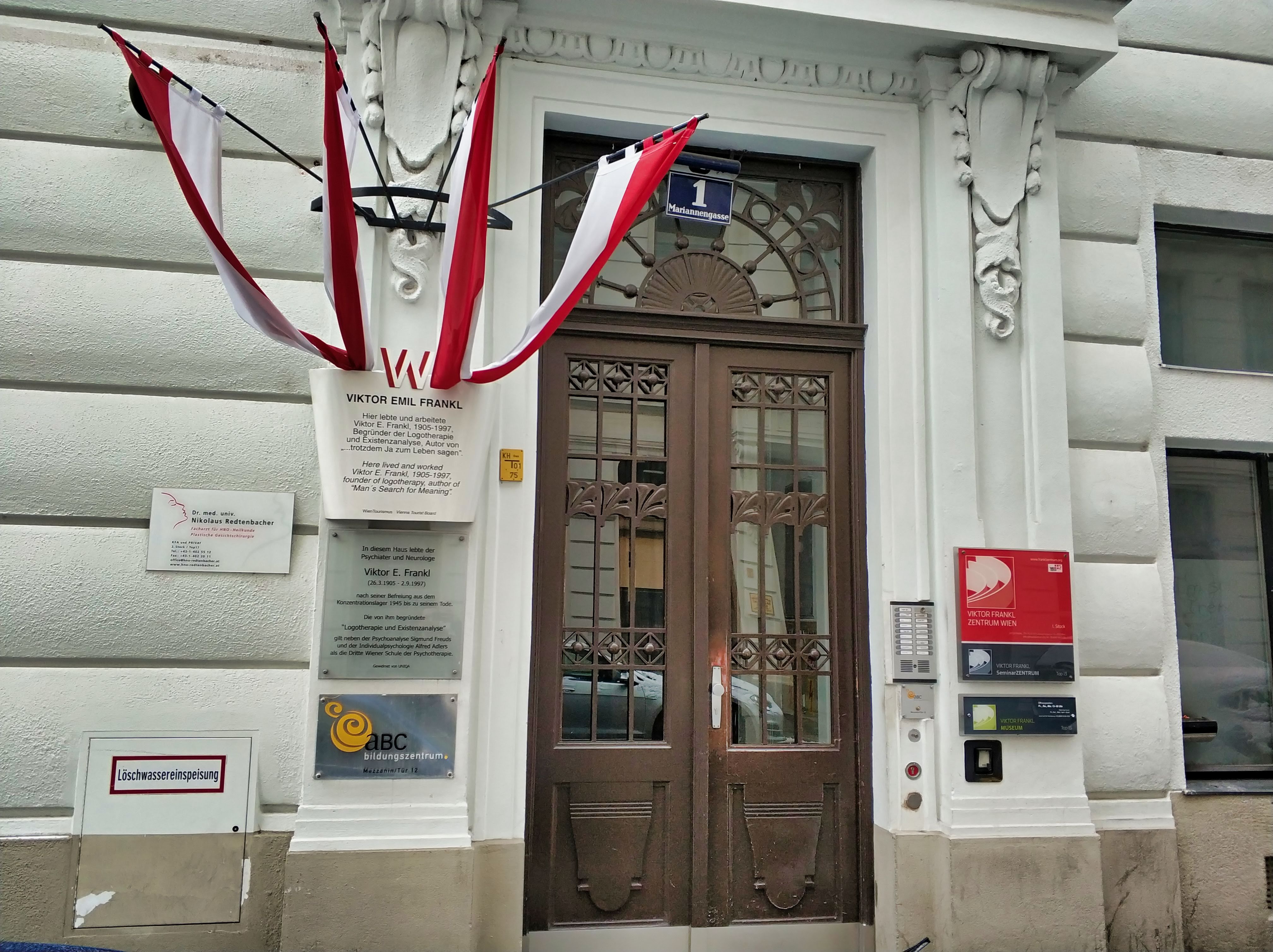
After a necessary sausage, I went to the apartment of Viktor Frankel, the founder of Logotherapy. Frankel wrote dozens of books, including "Man's Search for Meaning," which describes his experiences as a prisoner in Nazi concentration camps. It's is an unusual museum, without any renovated rooms, but with lots of detail about Frankel and the theory, including examples. Very nice place for people who love to read and learn.
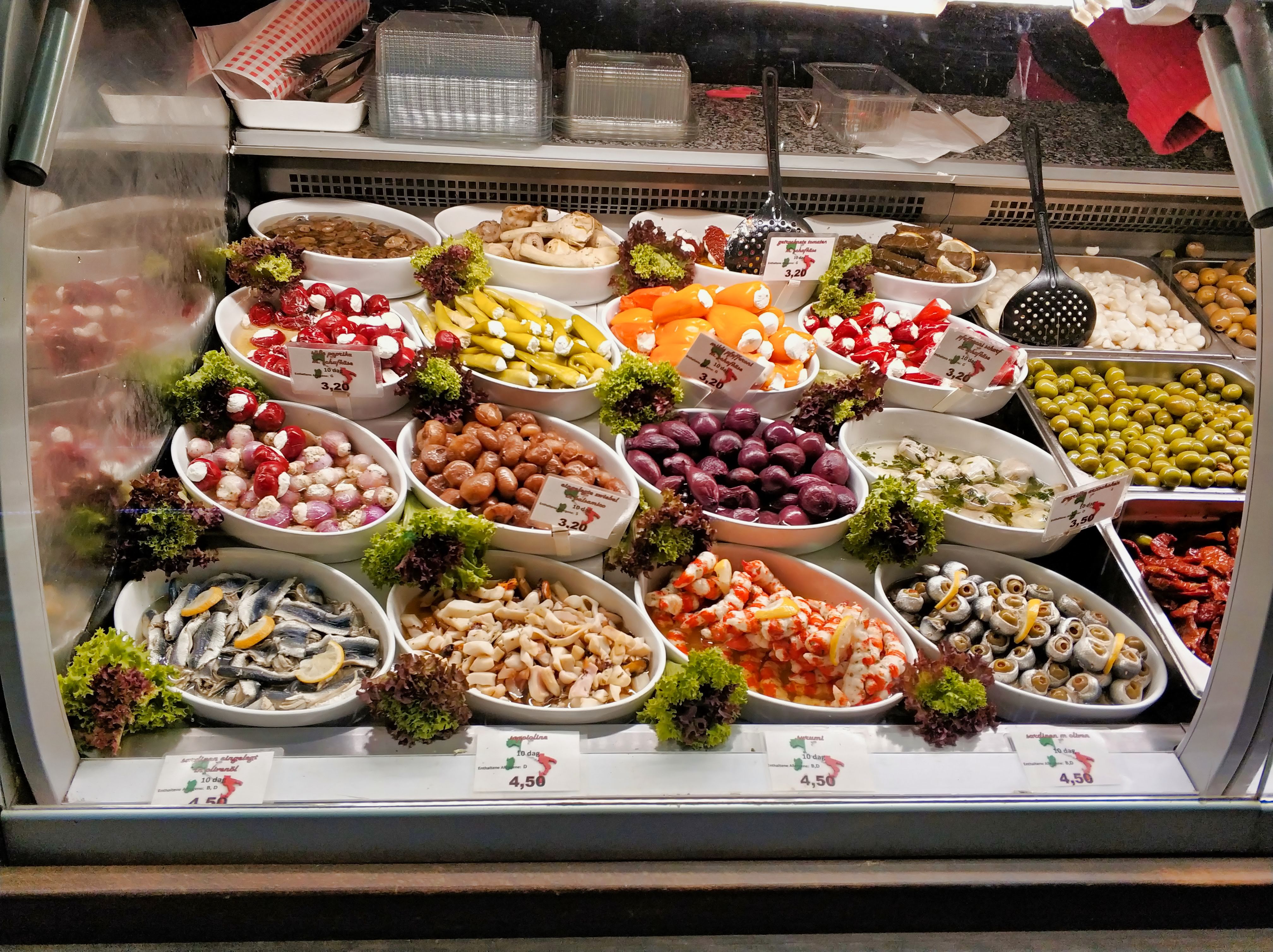
Liat joined me, and we went to the Naschmarkt – the most famous market in Vienna. It's a huge outdoor market, with all the ordinary things you can find in European markets: cheese, meat, fruits, and vegetables. I loved the delicatessen very much. The dry fruits and olives, filled with cheese, look and tastes great.
We took a walk on the Ringstrasse. The ring road surrounding the Old City contains palaces and important cultural institutions. Unfortunately, we failed to find good strudel, so we ended the day with pizza at the Stephanplatz.
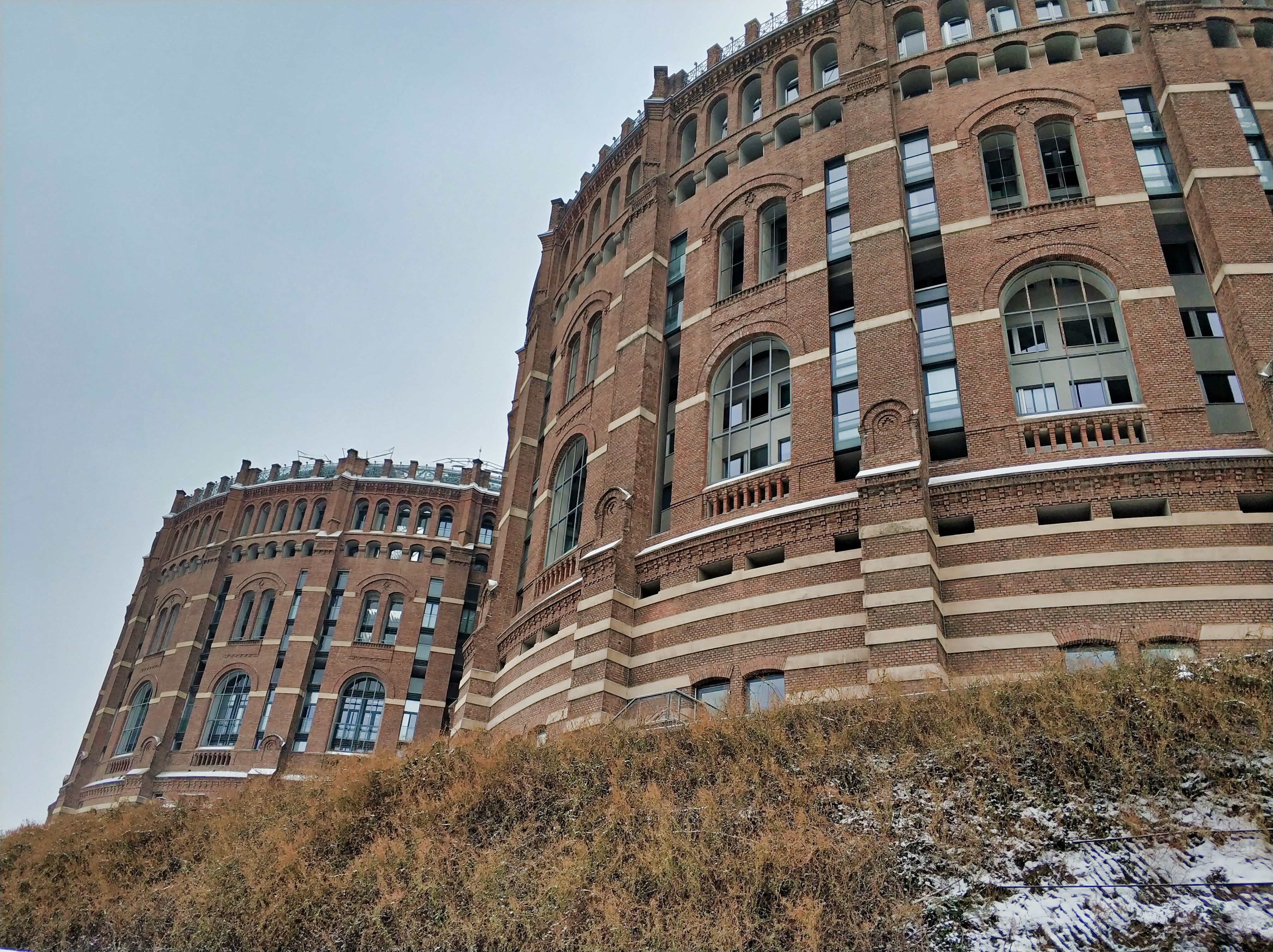
The next day I took a metro ride to the Gasometer – a massive complex of four round buildings that used to be gas tanks until 1984. Then, they were transformed into a lovely compound of residence, shopping malls, offices, and entertainment.
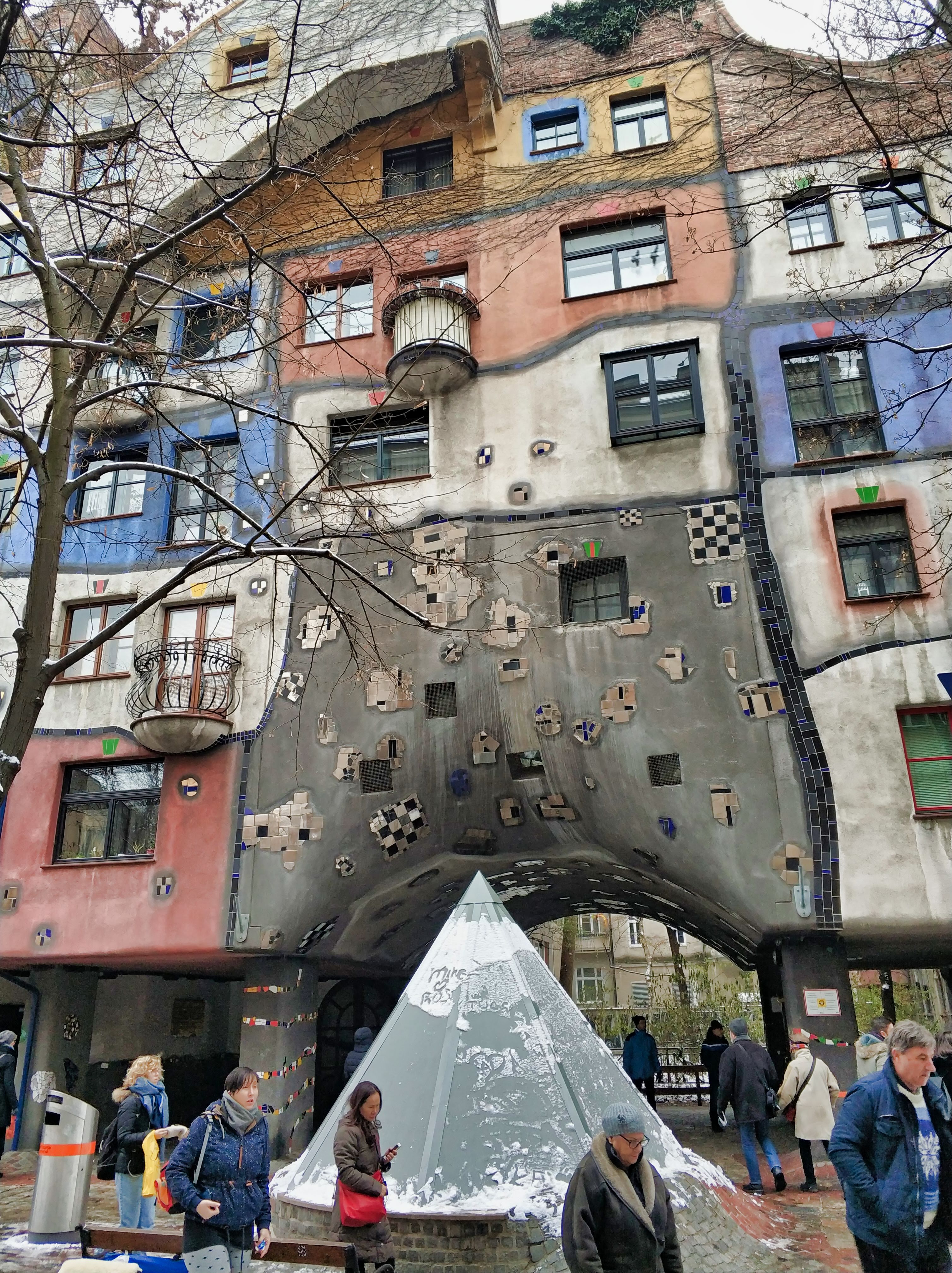
From there, I went to see the marvelous Hundertwasser House. It isn't surprising the place is full of tourists who came to admire the unique style.
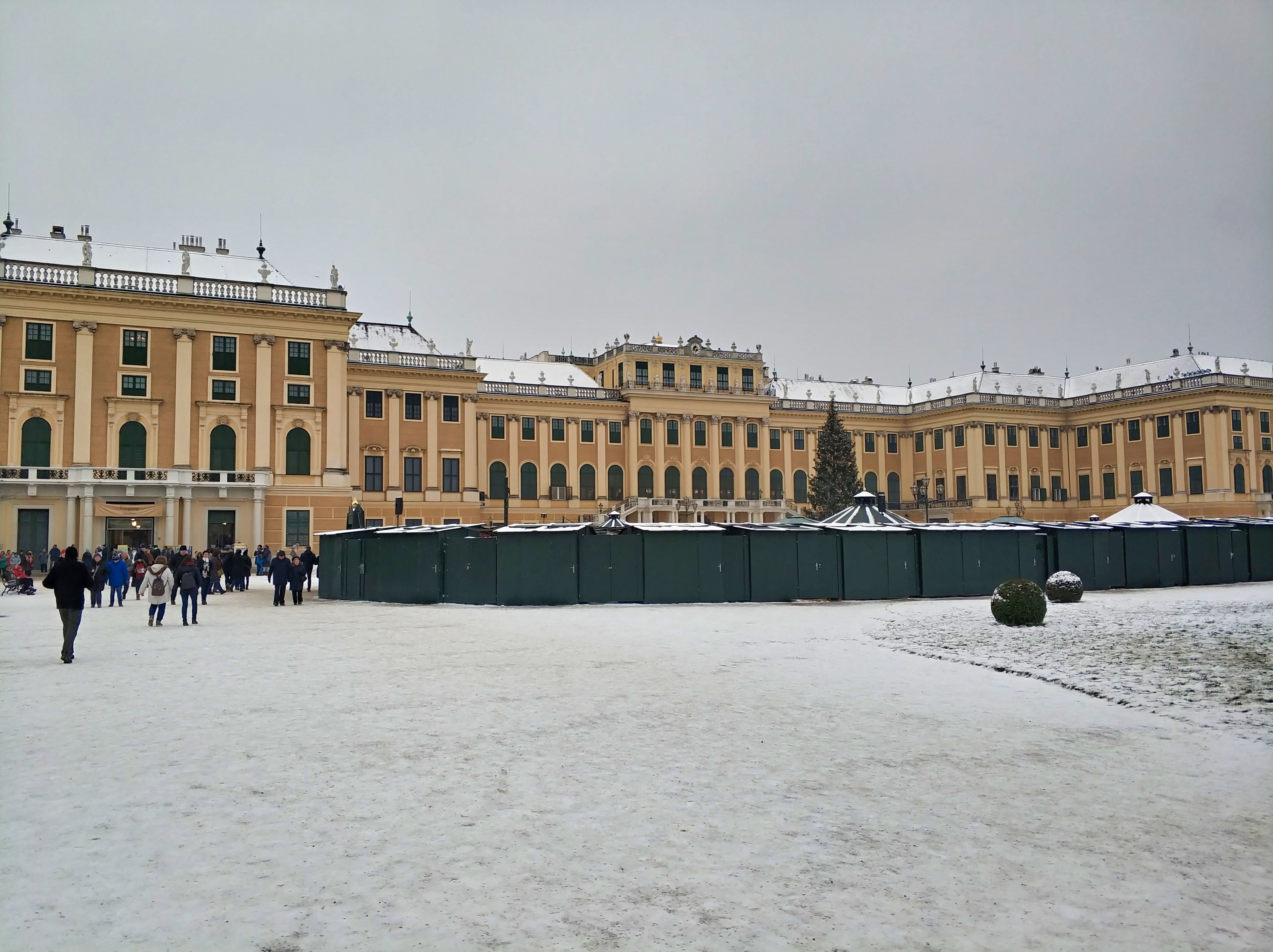
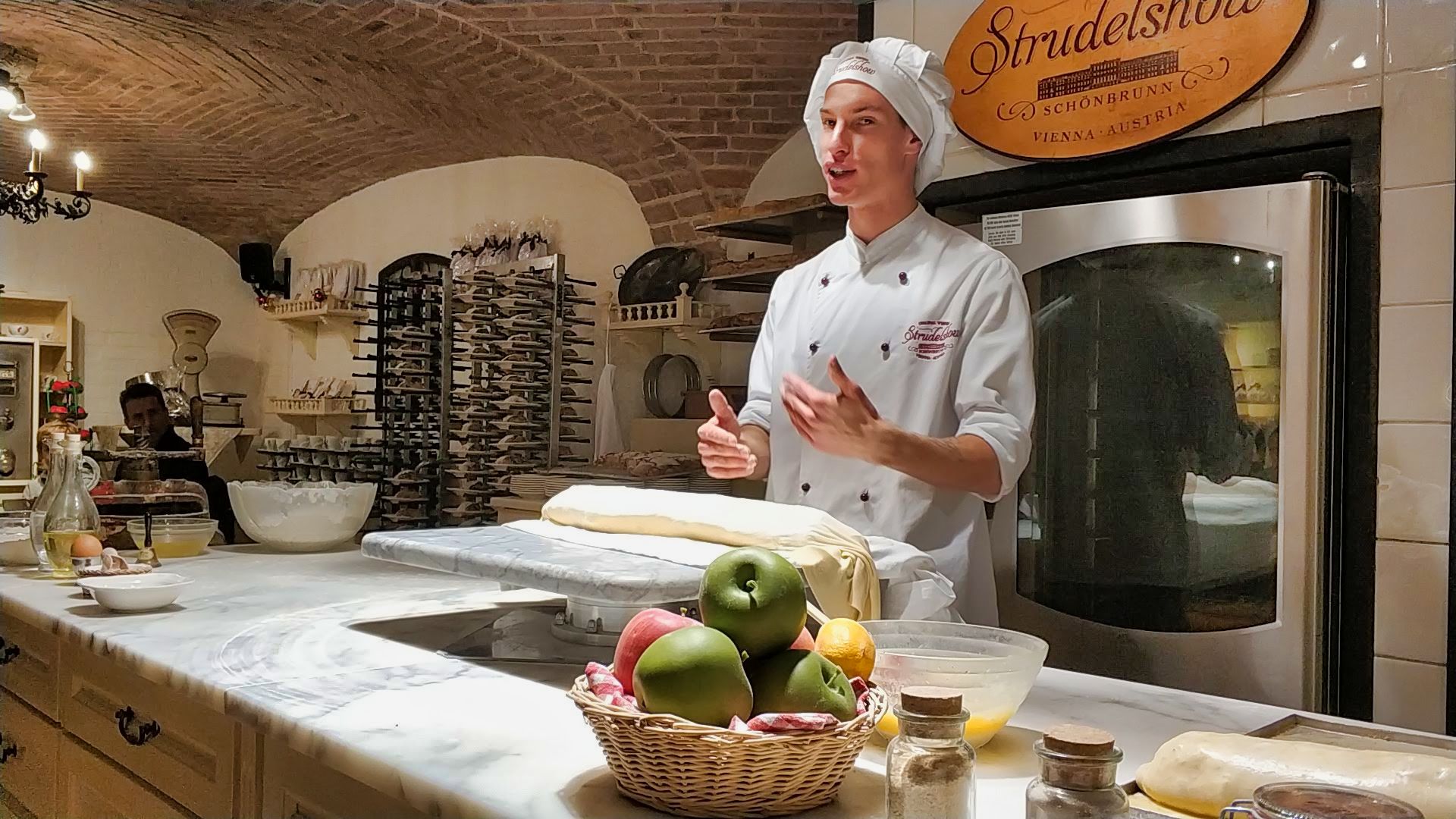
On our final day we visited Schönbrunn Palace and the strudel show together. After some less successful attempts earlier in the trip, we finally found strudel that was both delicious and part of a fun experience. We watched the demonstration, enjoyed strudel and coffee, and took home a recipe. Our show was then at Café Residenz; today the venue offers a Gerstner show, with availability on GetYourGuide.
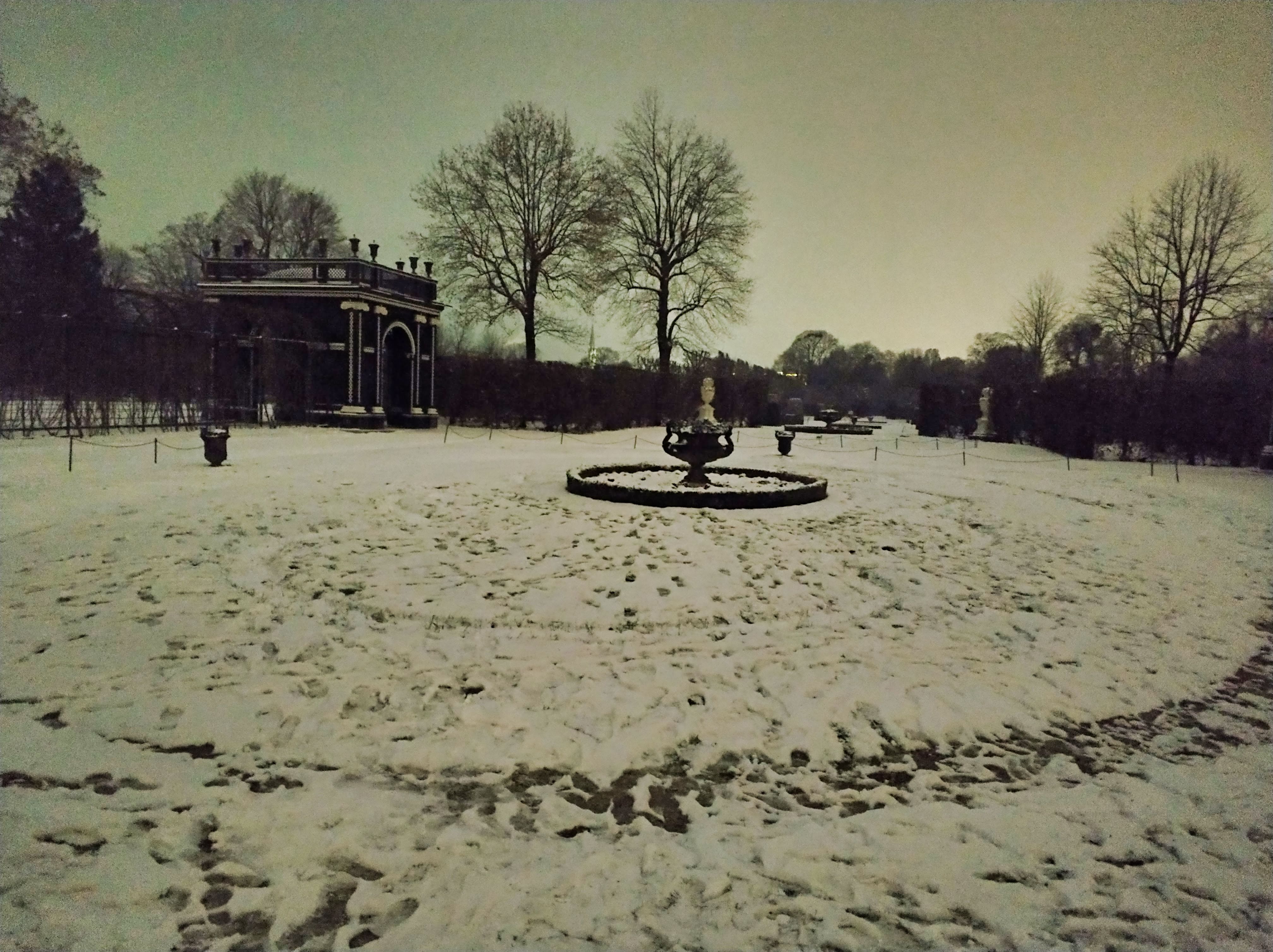
We booked a timed palace ticket in advance. The rooms were beautiful and the park outside was covered in snow. For a guided visit, consider palace admission and a guided palace-and-gardens tour on Tiqets. Palace rooms, special park attractions and the strudel show are not automatically included in one ticket, so read the inclusions. The main park is free during opening hours; check seasonal opening times before coming.
After the tour, we enjoyed walking between the Christmas market stalls in front of the palace. Also, we took a short walk in the snowed garden behind the castle.
It was a perfect ending to our winter tour to Vienna. No doubt we will come again – Vienna is one of the most beautiful and pleasant cities in the world.
Hotel booking links are affiliate links. We may earn a commission when you book through them, at no extra cost to you.
Places on this trip
- Christmas Markets in Vienna
- Hudertwasser Museum in Vienna
- Museum Simon Wiesenthal in Vienna
- Judenplatz Holocaust Memorial in Vienna
- Jewish Museum Vienna
- St. Stephan Cathedral in Vienna
- Sigmund Freud Museum in Vienna
- The Imperial Crypt
- Austrian National Library State Hall
- Viktor Frankl Museum
- Naschmarkt
- Gasometer
- Hundertwasser House in Vienna
- Schönbrunn Palace and the Strudel Show