Updated: Aug 10, 2025
The Marvel of Bernini's Fountain
In the center of Piazza Navona stands one of Bernini's most impressive works of art. Pope Innocent X commissioned the fountain in 1648 as part of a grand plan to renovate Piazza Navona. The goal was to transform it into a center of power, reflecting the greatness of his family. The renovation project included the Pamphilj Palace, the Church of Sant'Agnese, and, of course, the central fountain.

The Pope announced a competition among leading architects but left Bernini out of it. This was due to Bernini's connections with the previous Pope, who belonged to a rival family. However, Bernini was determined to build the fountain. He created a silver model of the fountain and sent it as a gift to Olimpia Maidalchini, the Pope's powerful sister-in-law. When the Pope "happened to come across" the model, he was so impressed that he immediately commissioned Bernini to execute the project.
The Symbolism Behind the Fountain
The fountain represents the four great rivers known at that time, each symbolizing a different continent:
The Nile (Africa) - depicted with a covered head because the source of the Nile was still unknown.
The Ganges (Asia) - holding an oar.
The Danube (Europe) - touching the Pope's symbol.
Río de la Plata (Americas) - surrounded by coins symbolizing the wealth from the New World.
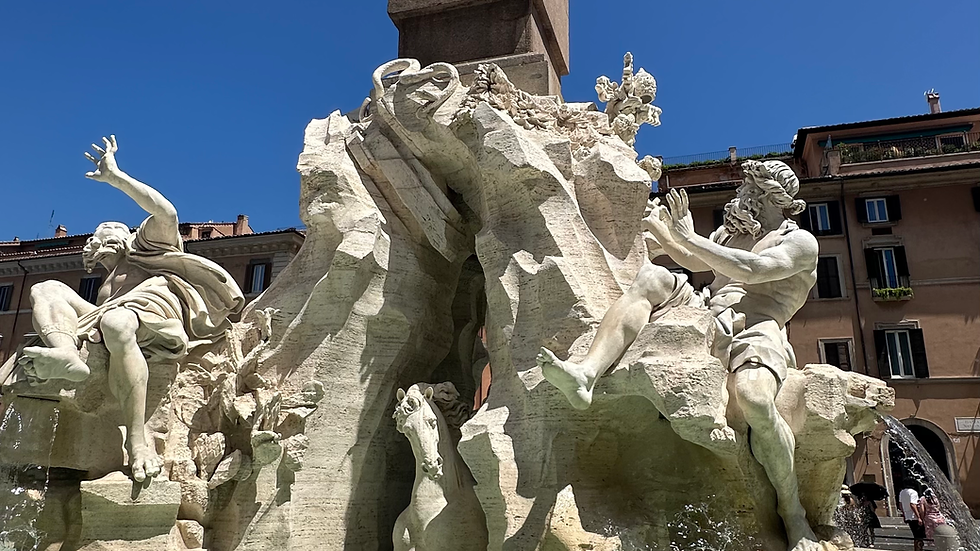
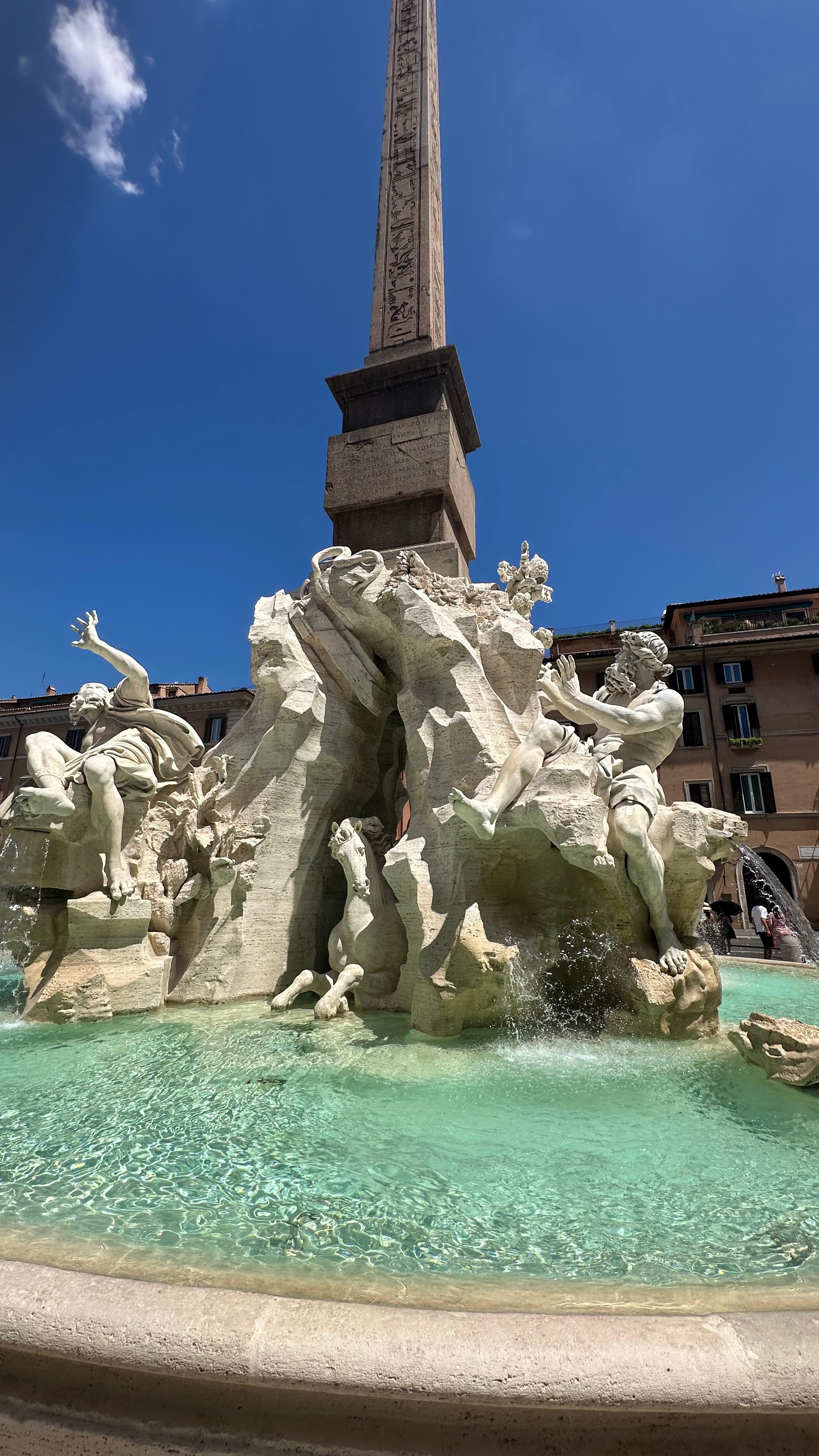
At the top of the fountain stands an Egyptian obelisk, a Roman copy from Domitian's period, crowned with a dove. This dove symbolizes the Pamphilj family and the Holy Spirit. The fountain serves as a powerful political statement. The waters, representing divine grace, flow from the dove to the four continents, expressing the influence of the Catholic Church over the entire world.
An Engineering Marvel
From an engineering perspective, the fountain is a true marvel. Bernini managed to balance a massive obelisk weighing several tons on a perforated stone structure that appears almost unsupported. He created an optical illusion that makes the obelisk seem to "float" in the air.
Piazza Navona is located in Rome's historic center, within walking distance of the Pantheon and the Spanish Steps. Unlike the Trevi Fountain, the atmosphere here is more relaxed. You can sit on the fountain's edge, enjoy gelato from one of the charming cafes around, and observe the fascinating details of this masterpiece.
Tips for Visiting Piazza Navona
Best Time to Visit
The best time to visit Piazza Navona is early in the morning or late in the afternoon. This way, you can avoid the crowds and enjoy a quieter experience. The soft morning light or the golden hour before sunset also makes for stunning photographs.
Nearby Attractions
While in the area, consider visiting these nearby attractions:
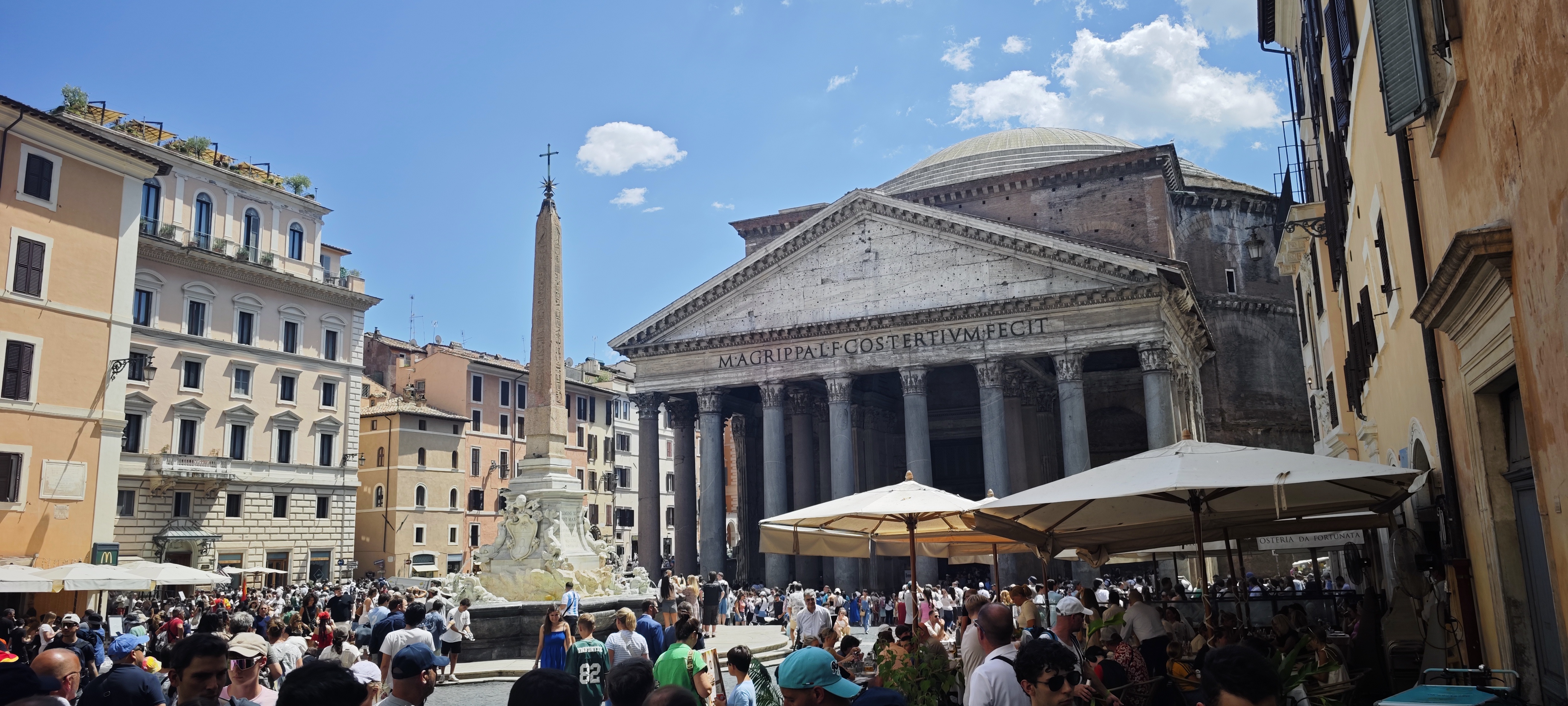
The Pantheon: A magnificent ancient temple that is now a church, known for its impressive dome.
The Spanish Steps: A famous stairway of 135 steps, offering a great place to relax and people-watch.
Dining Options
There are many cafes and restaurants around Piazza Navona. I recommend trying local dishes like pasta alla carbonara or gelato from a nearby gelateria. Enjoying a meal while soaking in the ambiance of the piazza is a must.
Conclusion
Piazza Navona is more than just a beautiful square; it is a testament to art, history, and engineering. The fountain, with its rich symbolism and stunning design, captures the essence of Rome's grandeur. When you visit, take your time to explore, relax, and appreciate the intricate details that make this place truly special.
For more travel inspiration and practical advice, check out packing4two.


Comments