The Jewish Ghetto of Rome is one of the most moving and fascinating places in the city, with a history spanning over 2,000 years, as the Jewish community of Rome is the oldest Jewish community in Europe.

The ghetto was established in 1555 by Pope Paul IV, who issued a papal bull called "Cum Nimis Absurdum" ("Too Absurd"). The decree declared it absurd that Jews lived mixed with Christians, and therefore established a closed ghetto where all Roman Jews were required to live. The ghetto was surrounded by walls with two gates that were locked at night, and Jews were forbidden to leave it after sunset.
The ghetto was built in a very problematic area of Rome: low, wet, and exposed to repeated flooding from the nearby Tiber River. Only in 1870, with the unification of Italy and by decision of King Victor Emmanuel II, were the walls removed and Jews granted equal rights as Italian citizens.
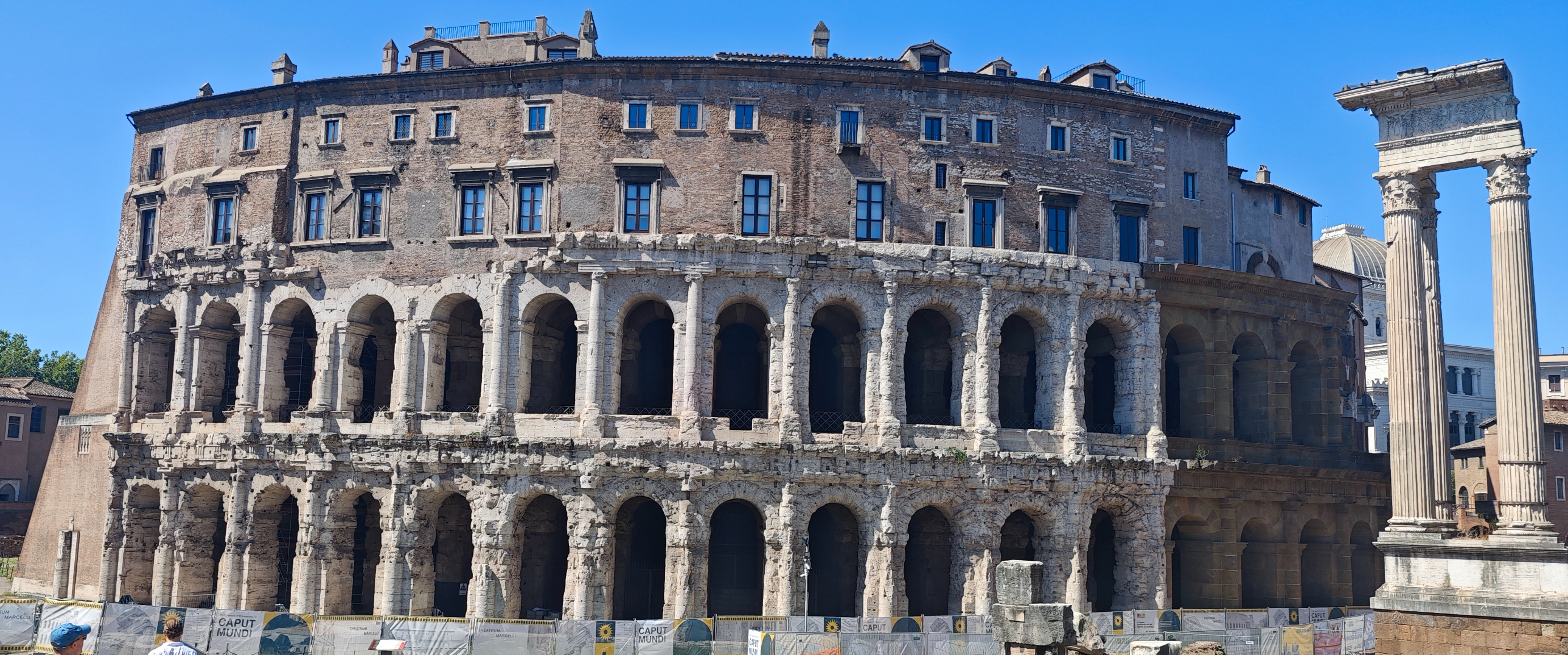
Theater of Marcellus (Teatro di Marcello)
The ancient theater was built by Julius Caesar and completed in 13 BCE by Emperor Augustus. It is about a century older than the Colosseum. In the 18th century, the building passed to the Orsini family, who continued to live in it until the 20th century. Today, the theater is divided into offices and apartments.

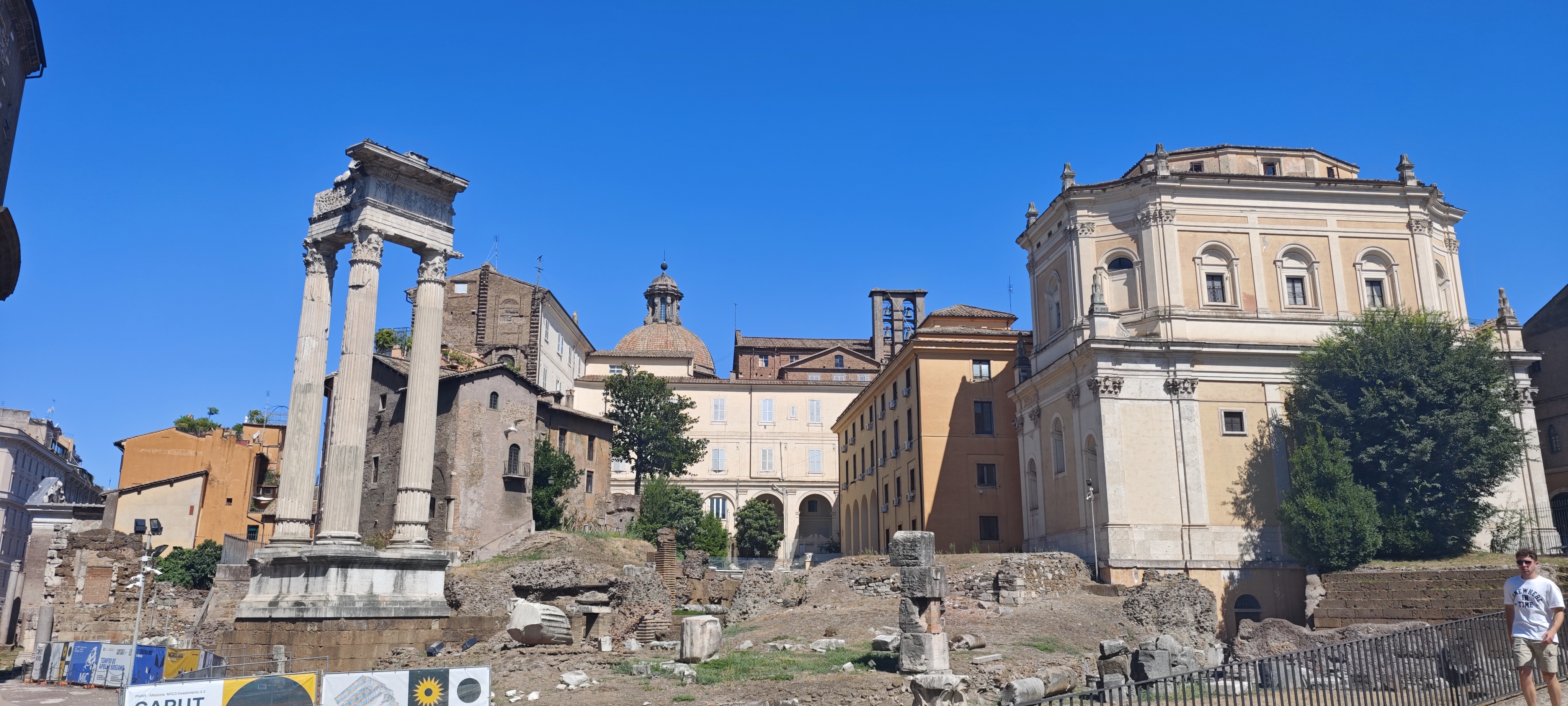
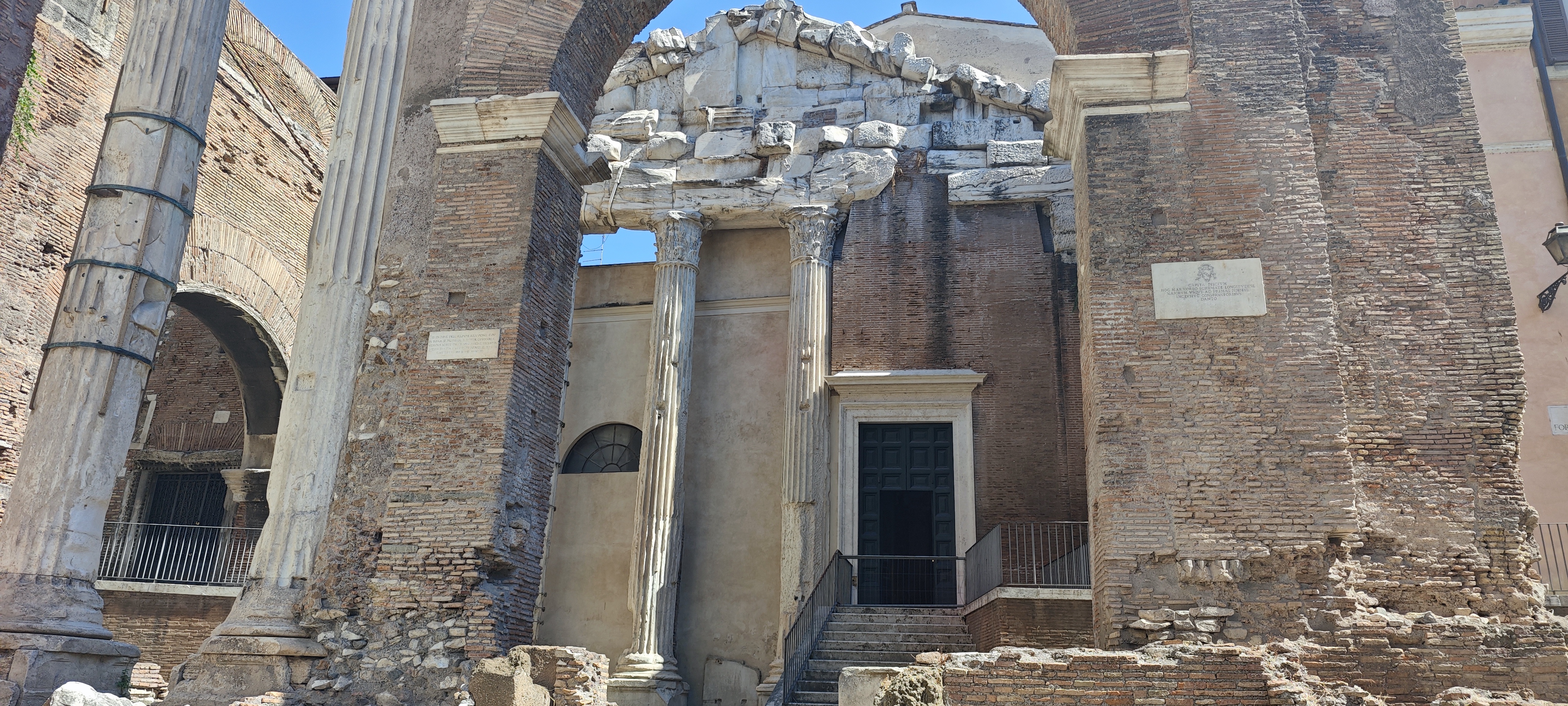
Portico of Octavia (Portico di Ottavia)
The portico was probably built in 27 BCE by Emperor Augustus in memory of his sister Octavia, on the foundation of an earlier temple to the gods Jupiter and Juno. The place served as a temple and library, and here Titus and Vespasian also began their triumphal march over Judea in 71 CE, after their victory in Jerusalem.
In the Middle Ages, the structure served as a fish market, which operated there until the 19th century.


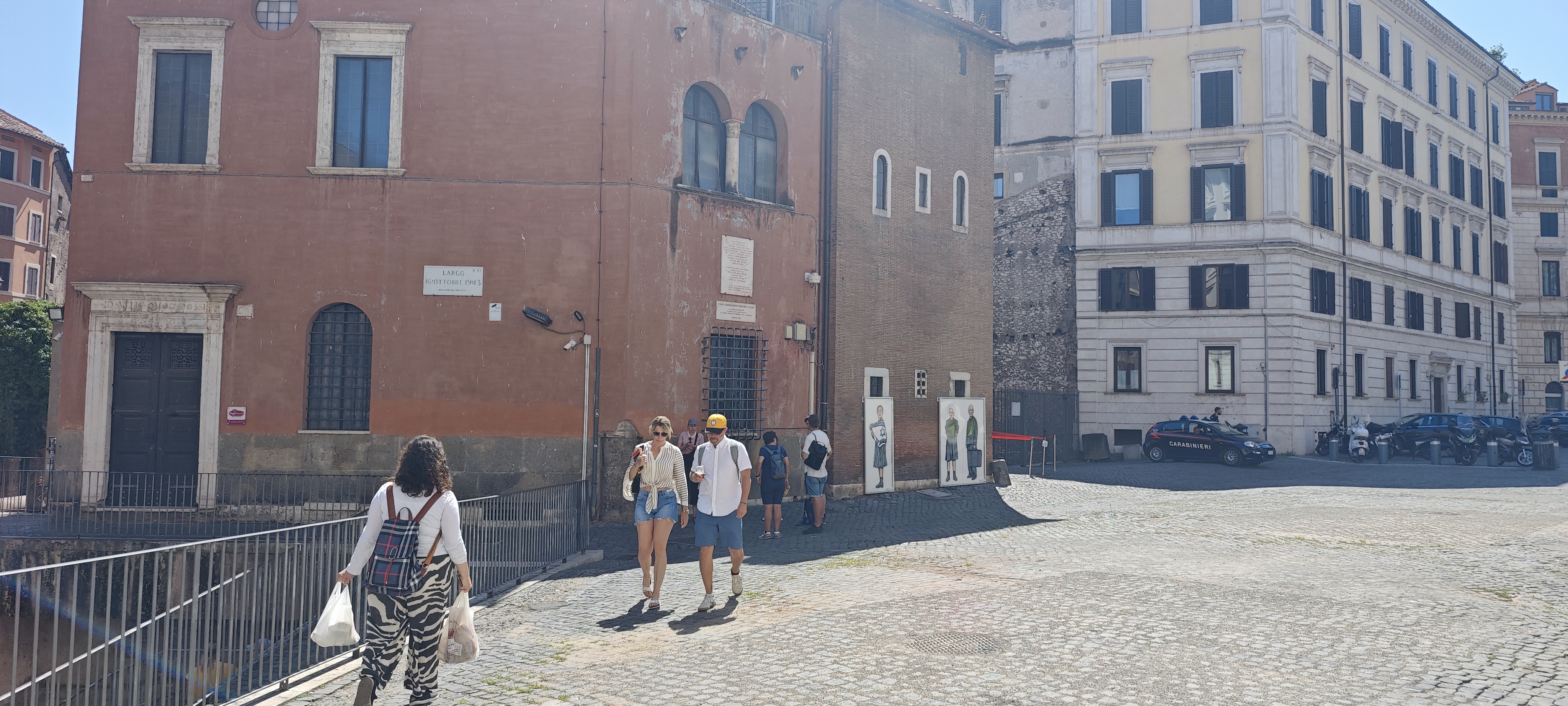
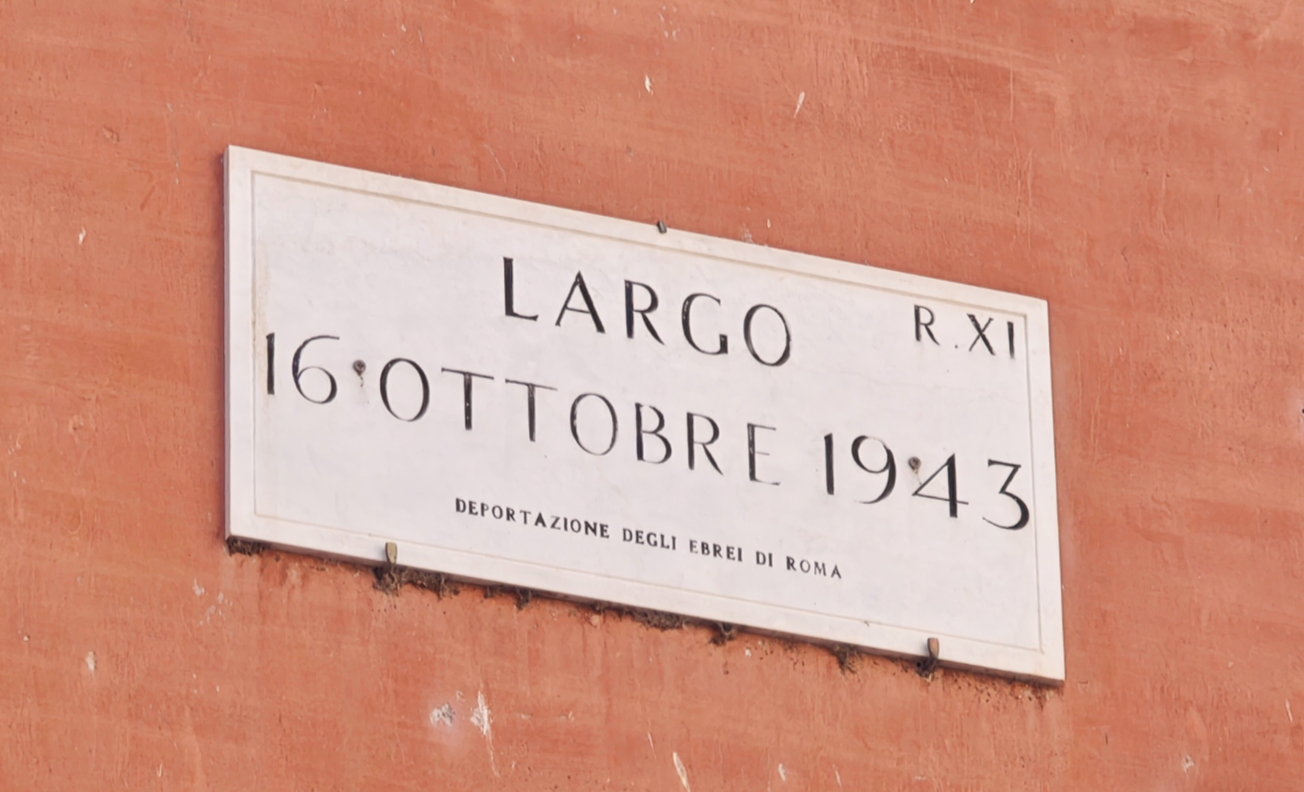
October 16, 1943 - Deportation of Rome's Jews to Auschwitz
In the nearby square, one of the most tragic events in the history of Roman Jews took place. Despite Mussolini's collaboration with Hitler and despite declaring discriminatory racial laws, he refused to send Italy's Jews to the extermination camps in Germany. After Italy surrendered to the Allies in summer 1943, the Germans invaded Italy and began implementing the Final Solution for the Jews, meaning sending Italy's Jews to their destruction. In October 1943, actions began throughout Italy, and on October 16, German security forces surrounded the Jewish ghetto, arrested the Jews, and sent them to Auschwitz.


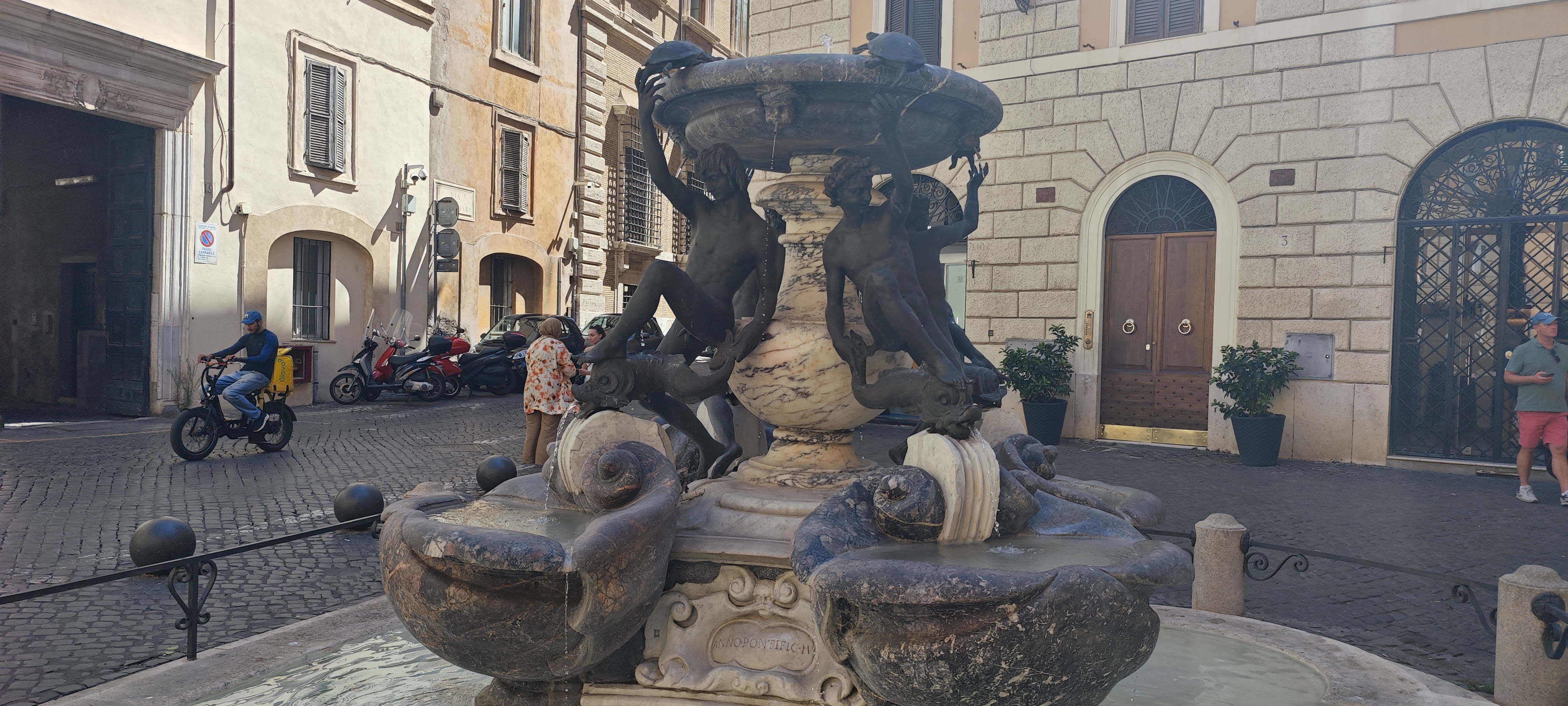
Piazza Mattei and the Turtle Fountain
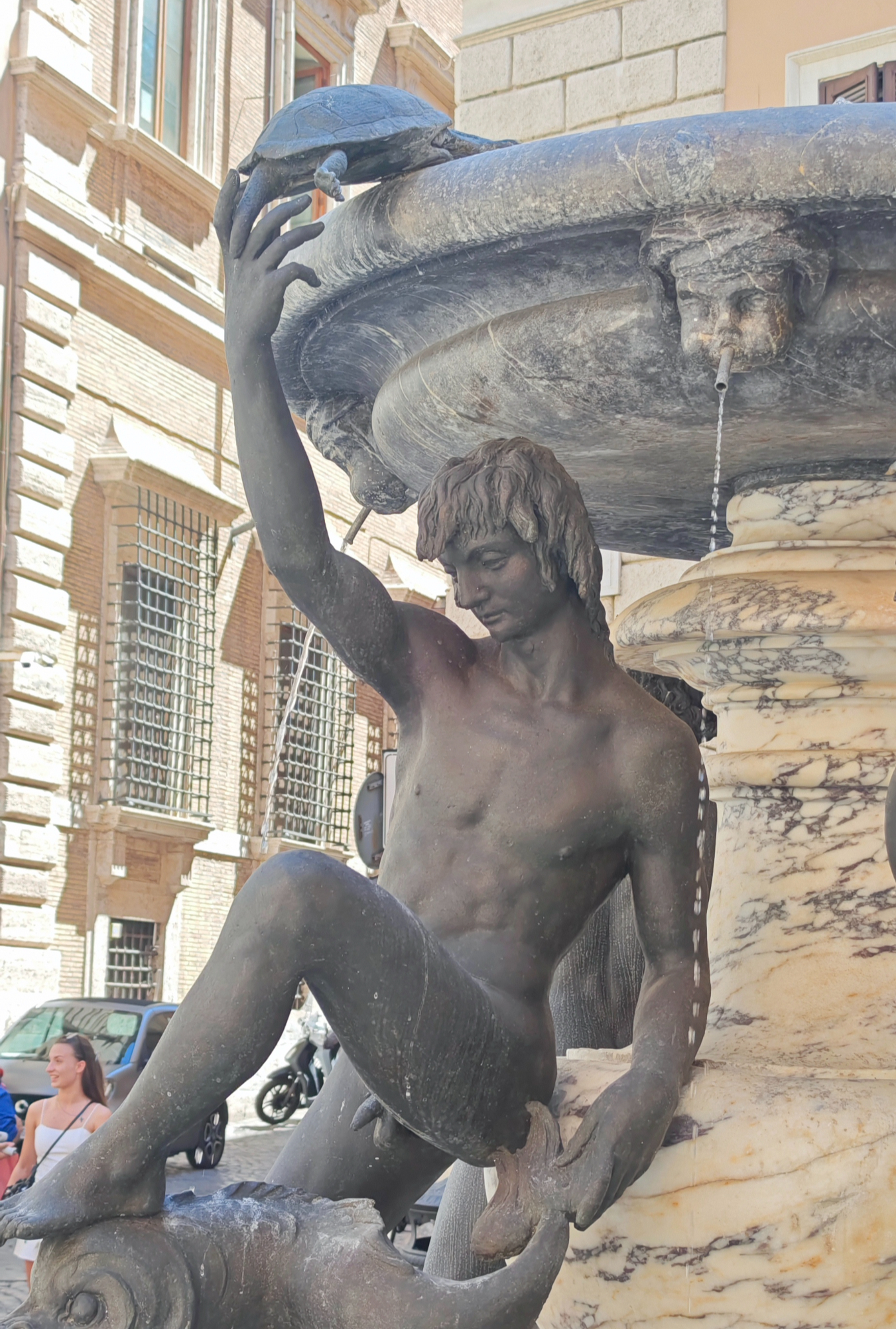
Piazza Mattei is named after the noble Mattei family, one of Rome's most influential families. In the center of the piazza stands a special fountain, built between 1581-1584 by Taddeo Landini according to a design by Giacomo della Porta. The turtles were added to the fountain later, in 1658, to replace the original dolphins that had been stolen.
The fountain was supposed to be erected in Piazza Giudea, inside the Jewish ghetto, but the Mattei family used their influence and moved it to "their" square, outside the ghetto.


Boccione's Cheese Cake Shop
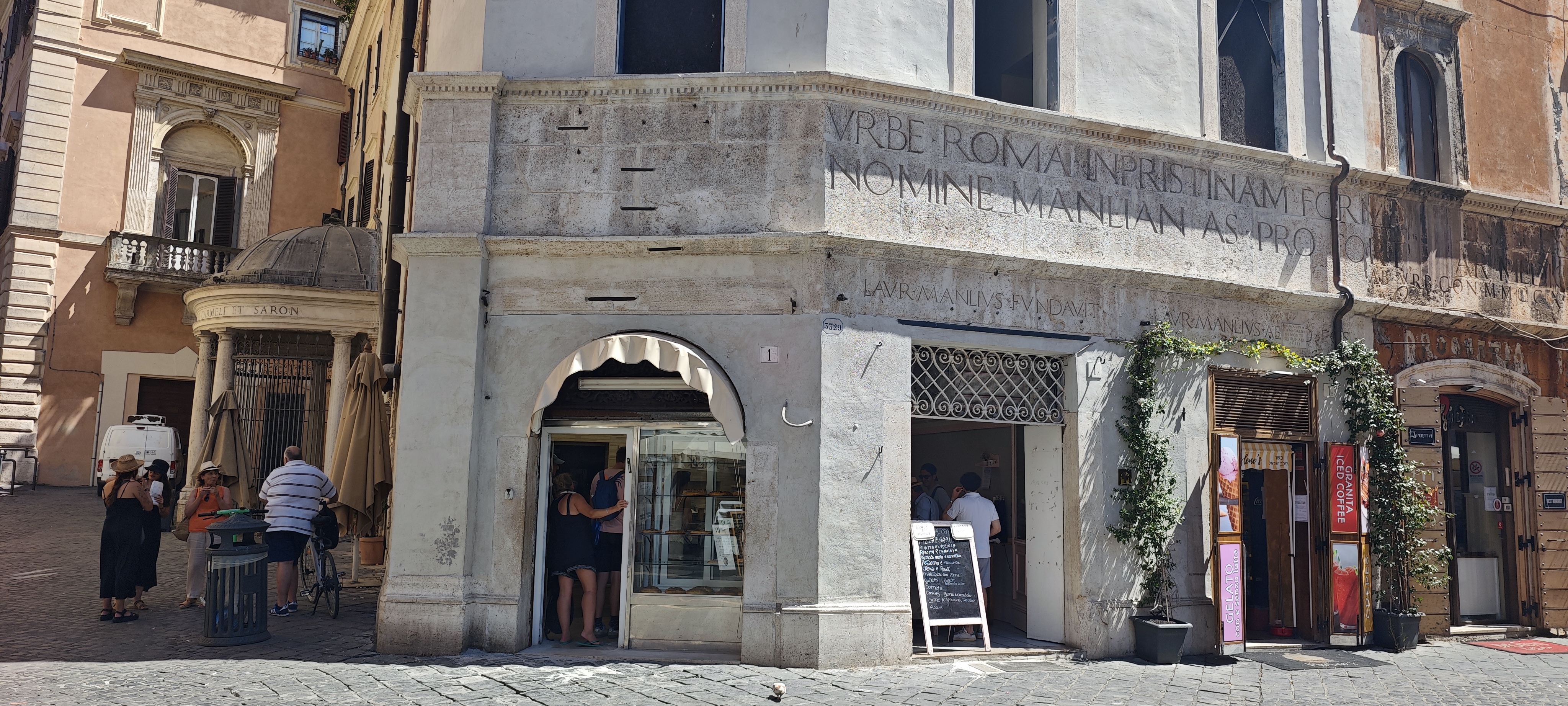
On Via del Portico d'Ottavia, there's a small bakery run by women who make amazing cheesecakes, and a dessert they call "Jewish pizza," which has no connection to pizza. It's a surprising and excellent dried fruit pastry.

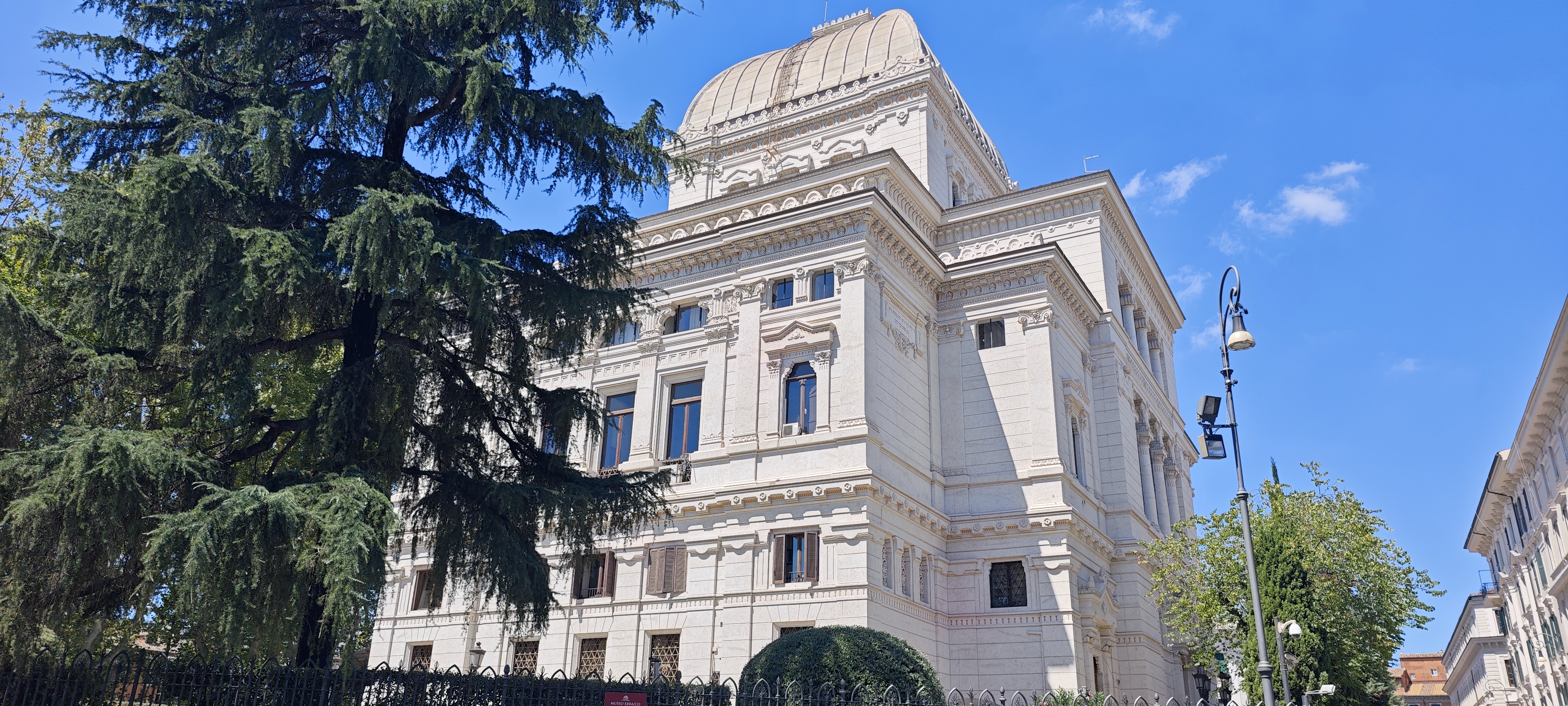
The Great Synagogue (Tempio Maggiore) The synagogue was designed by Vincenzo Costa and Osvaldo Armanni and built between 1901-1904 on the banks of the Tiber, facing the former ghetto. The unique square dome of the Great Synagogue stands out in Rome's skyline.
On April 13, 1986, Pope John Paul II made an unexpected visit to the Great Synagogue. This was the first known visit by a pope to a synagogue since the early history of the Catholic Church.

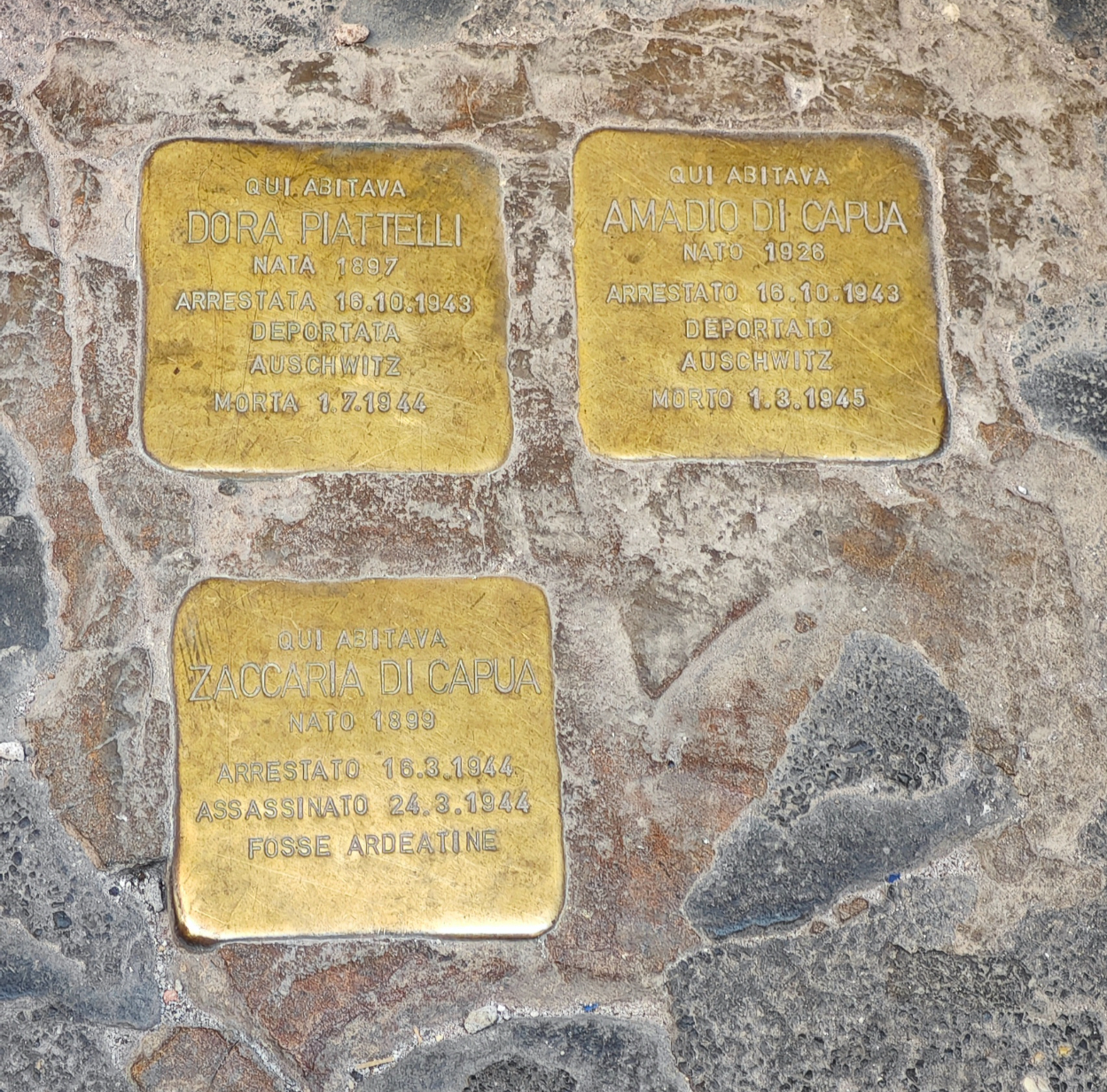
Memorial Stones When walking through the streets of the Jewish ghetto, you'll see the "stumbling stones" by German artist Gunter Demnig - small plaques embedded in the pavement that commemorate Holocaust victims. Over 100,000 such stones have already been placed throughout Europe.

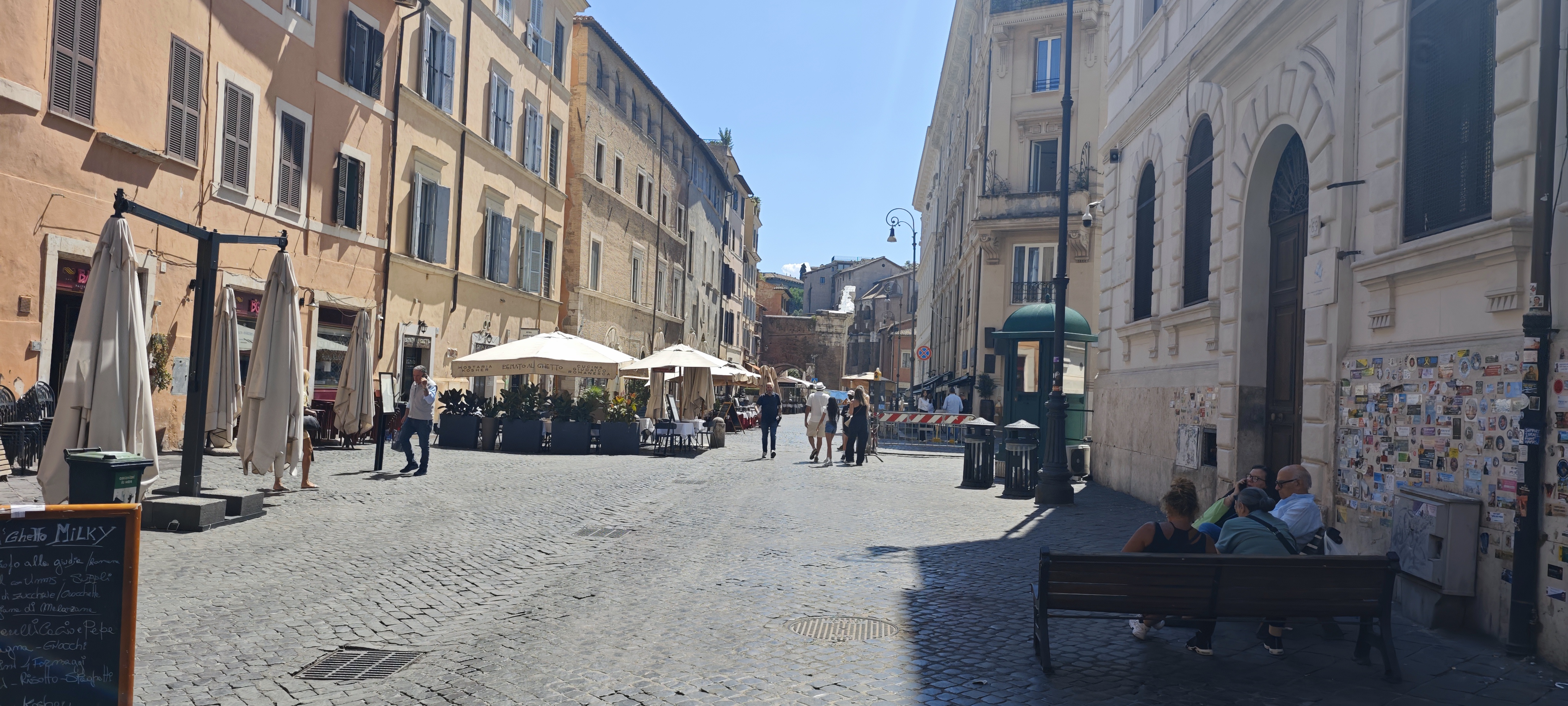
Today's Jewish ghetto is a lively and vibrant neighborhood with excellent restaurants, active tourism, and a functioning Jewish community - a place where past and present merge in a moving and unique way.


Comments