Forty-Eight Hours in Belfast: History, Culture, and Maritime Heritage
Two days in Belfast exploring City Hall, the neighbourhoods, Botanic Gardens and Titanic Belfast, with a Cyndi Lauper concert and a central hotel.
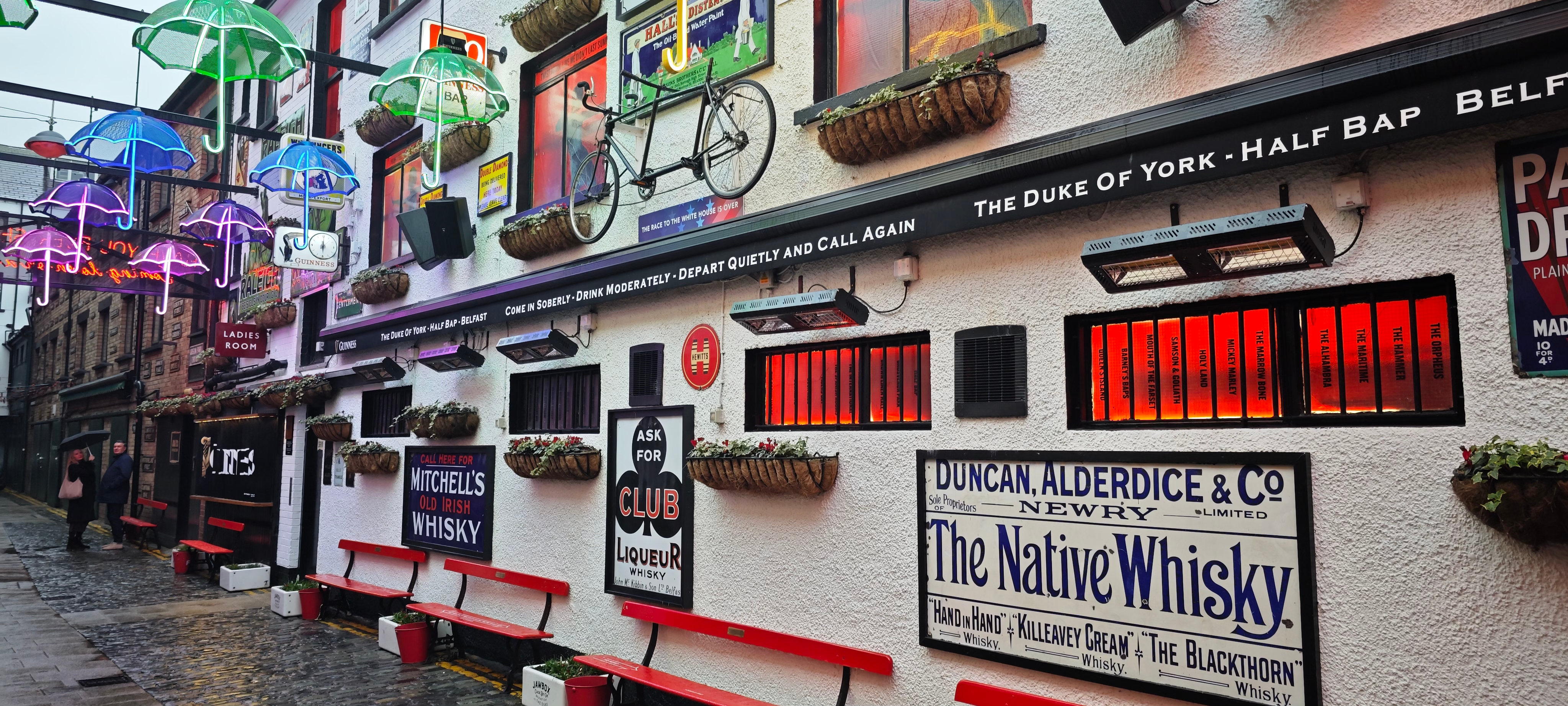
We took the bus from Belfast International Airport into the city, a journey of around 40 minutes on our visit, then walked to the hotel. Airport Express 300/300a now links the international airport with Grand Central Station. Check the timetable and stops for your arrival time; Belfast City Airport is a different airport.
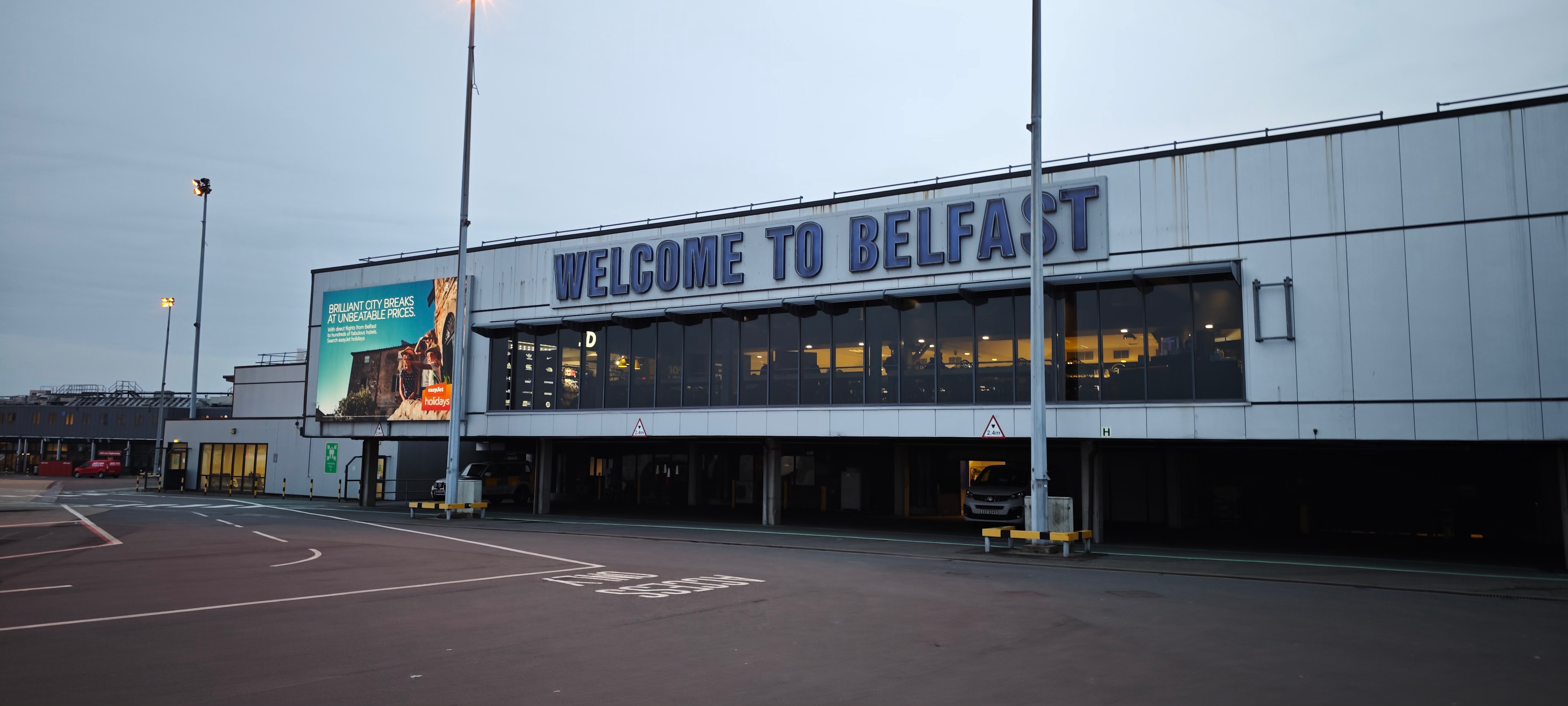
Like many first-time visitors to Northern Ireland, we made the rookie mistake of arriving without umbrellas. The gentle but persistent Irish rain quickly taught us the error of our ways, and one of our first stops in the city center was to purchase proper rain protection. As we would soon learn, umbrellas aren't just accessories in Belfast – they're essential everyday companions.
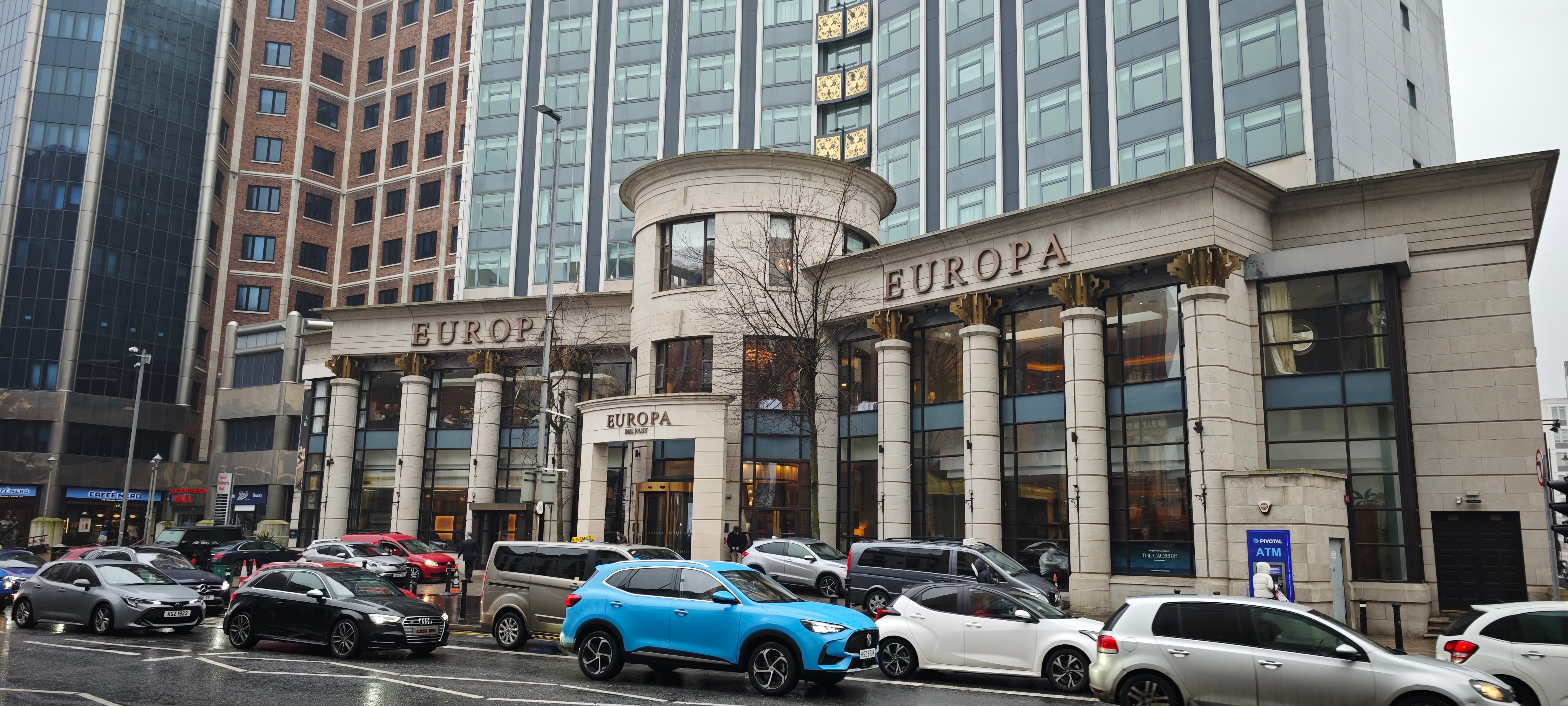
We stayed at ibis Belfast City Centre, whose central location worked very well for exploring on foot. The team welcomed us warmly. After settling in, we walked to City Hall and joined the walking tour with the yellow umbrellas.
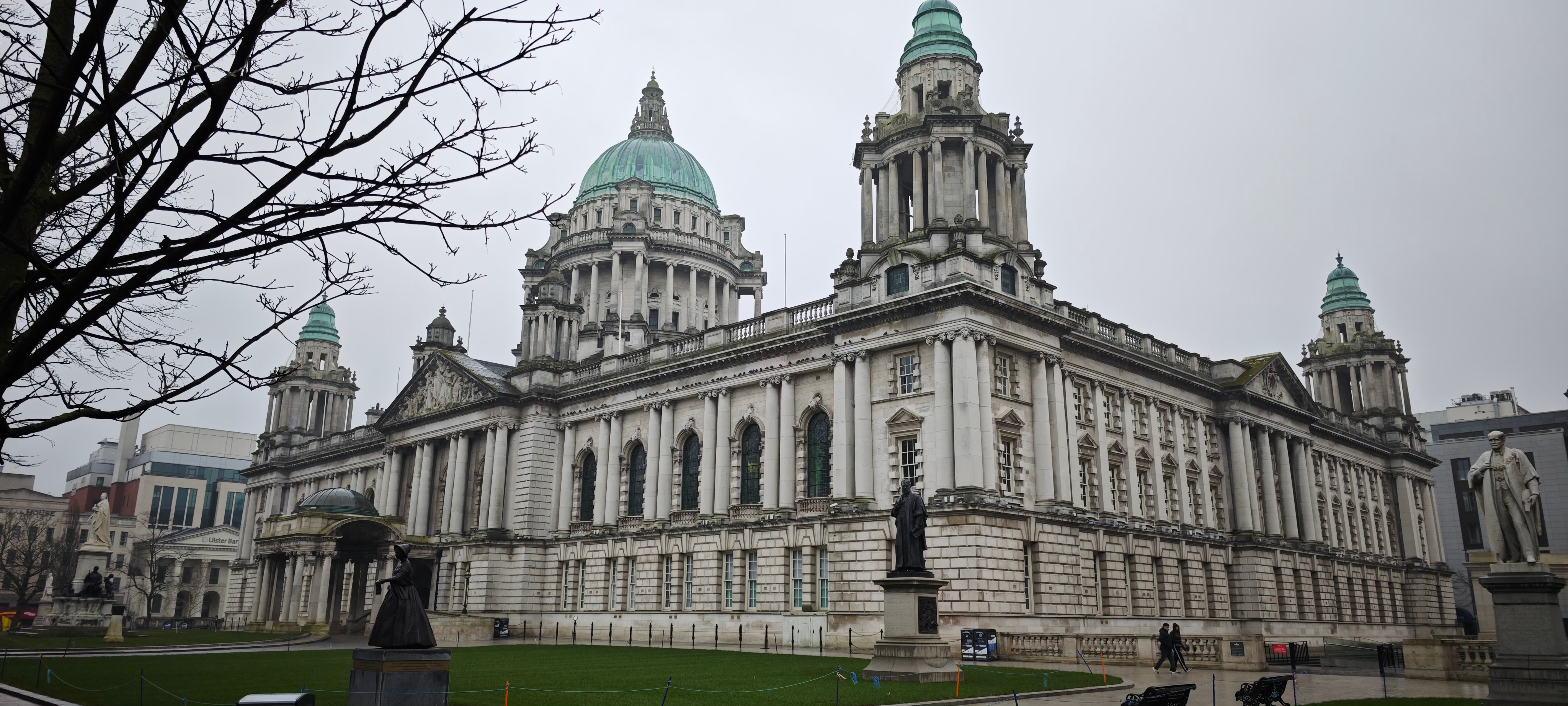
This two-hour tour proved to be an invaluable introduction to the city. Our guide provided a compelling overview of Ireland's challenging history, covering the devastating potato famine that reshaped Irish society, the political upheavals that followed, and the "Troubles" - three decades of violent conflict that profoundly shaped daily life in Belfast. The city's streets themselves tell these stories, with historic buildings bearing witness to both tragedy and resilience.
The evening's main event was a Cyndi Lauper concert, which turned out to be a highlight of our trip. While my partner Liat had been a longtime fan since her teenage years, the performance exceeded all our expectations. Lauper proved herself an incredible performer, even at 71, and a true cultural icon. Her voice retained its distinctive power and range, and her stage presence was magnetic. As someone who knew little of her music beforehand, I became a fan by the show's end.
On the second day, we explored Shankill and Falls independently. The contrast between Unionist and Republican areas stood out in murals, memorials and street symbols. We were disappointed by the portrayal of the Israeli-Palestinian conflict in some murals in the Republican areas.
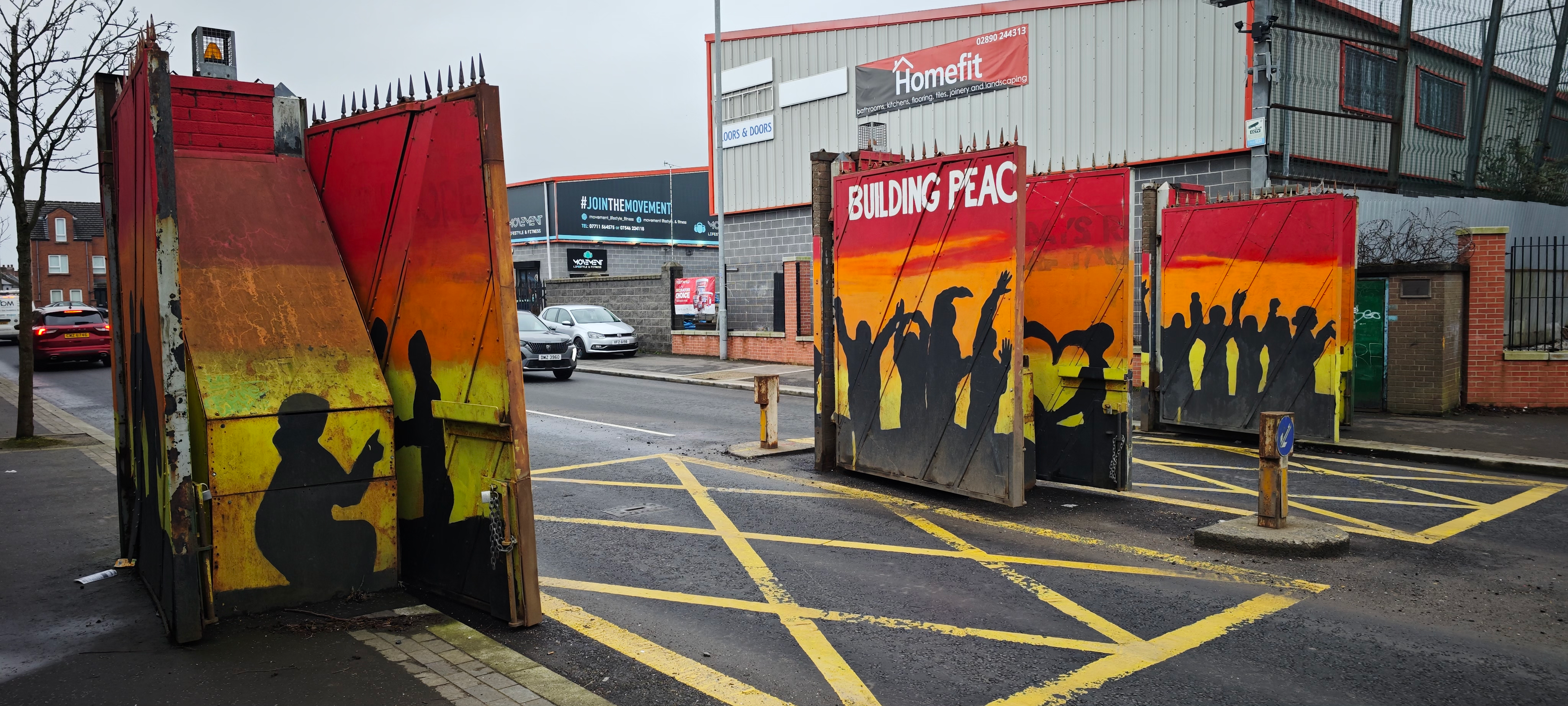
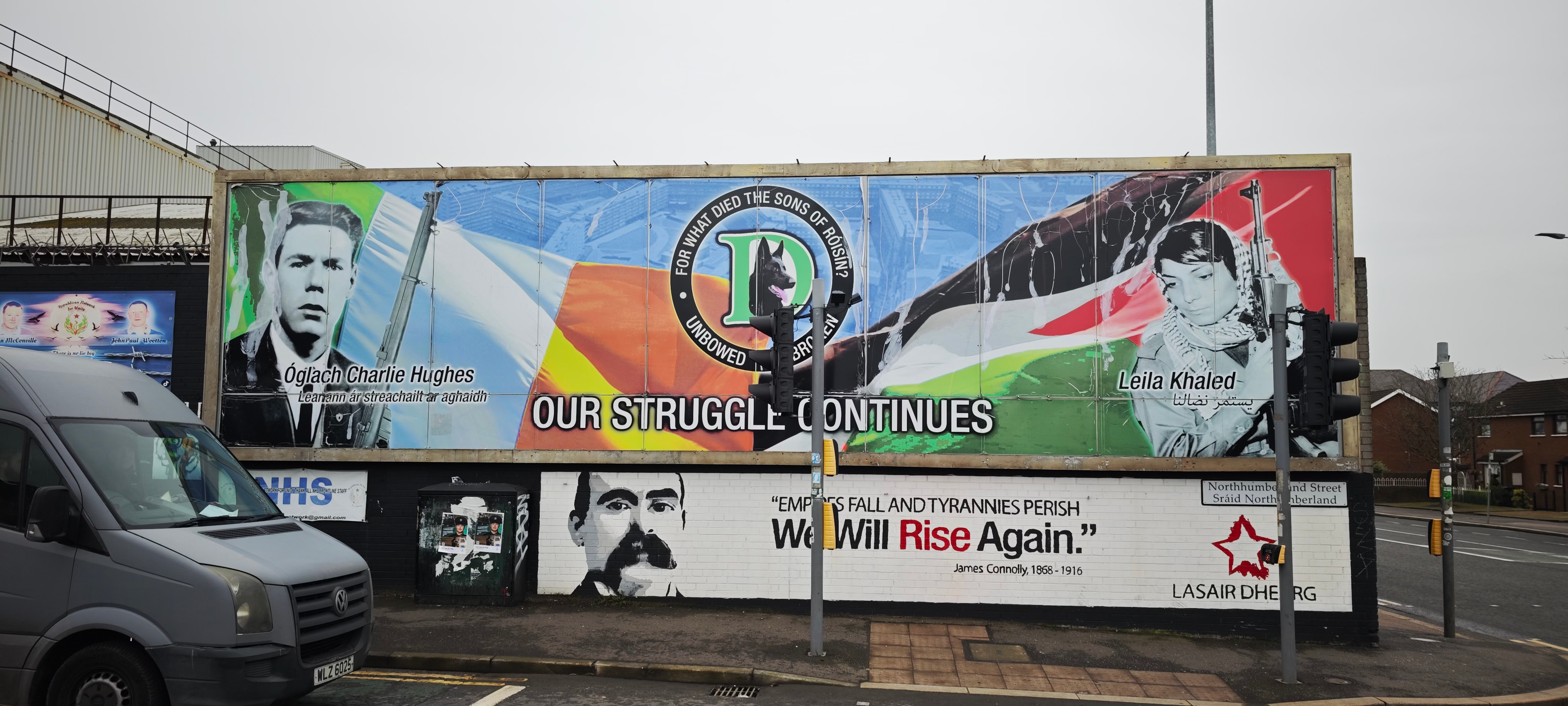
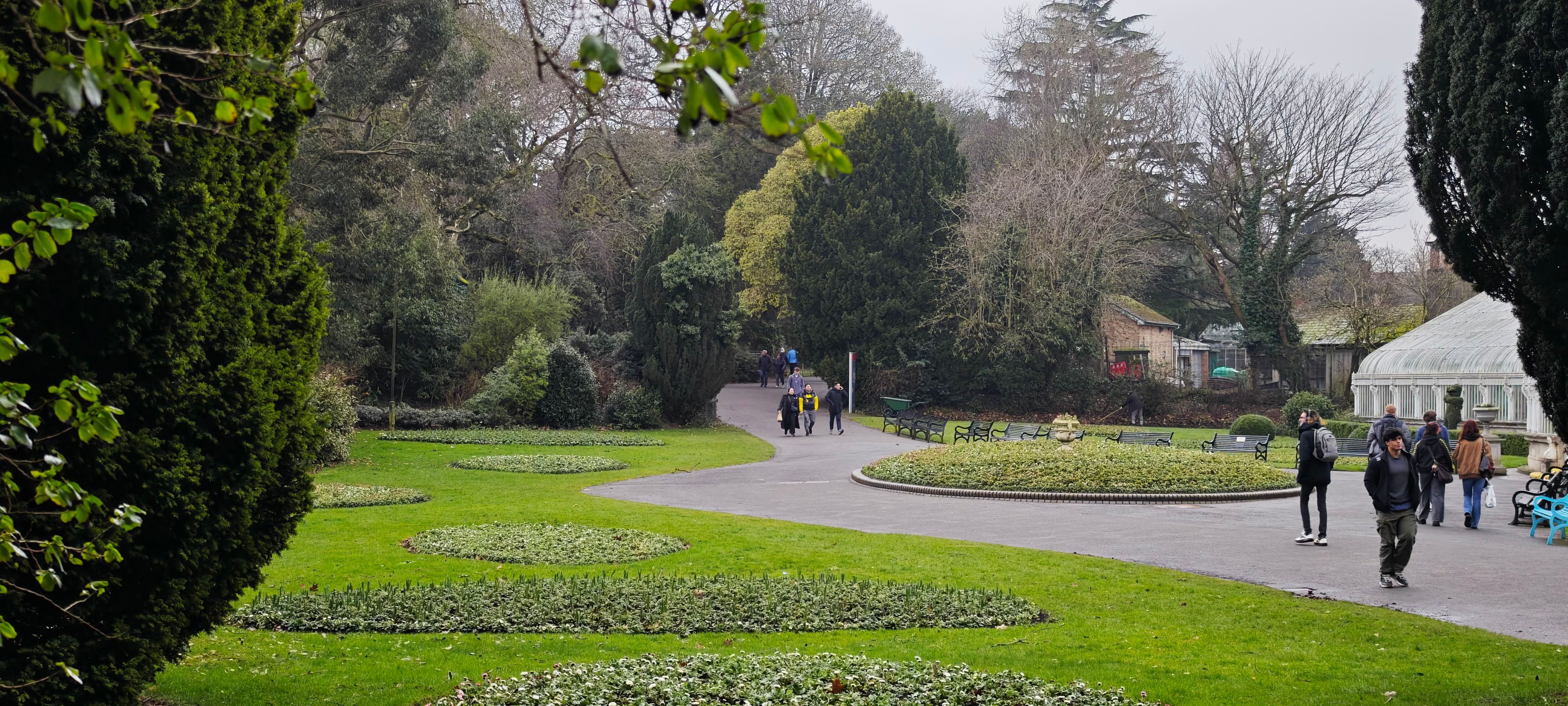
The atmosphere shifted dramatically as we went to the Botanic Gardens near Queen's University. While Shankill and Falls appeared quiet with just a few open shops, the university area buzzed with youthful energy. The Victorian-era Botanic Gardens, though not extensive, offered a delightful free urban escape. The historic Palm House provided a warm, tropical retreat despite the cold weather.
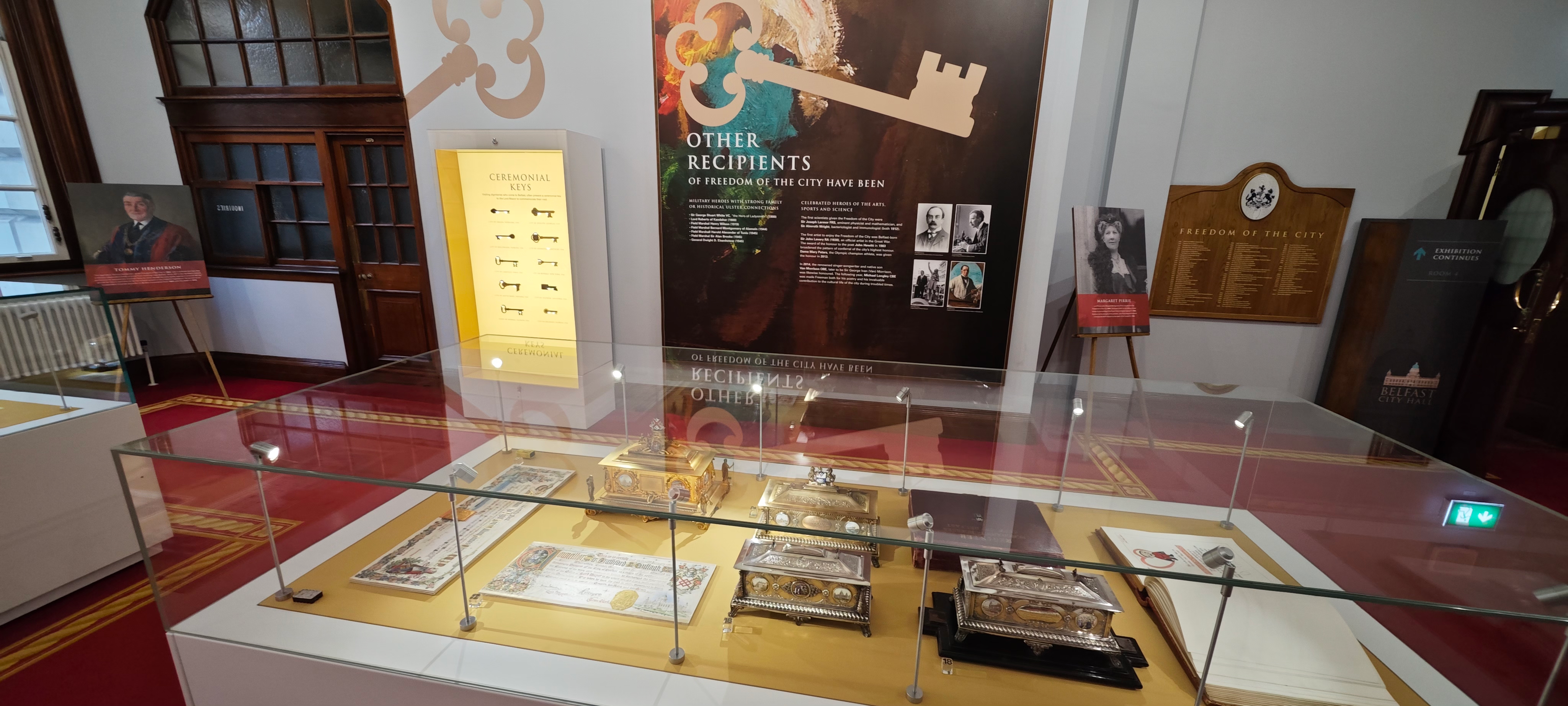
City Hall is impressive outside, and its exhibition introduces different sides of Belfast. We particularly enjoyed the section on local speech. Our recommendation is slightly qualified: individual rooms are interesting, but the sequence did not always feel like a coherent story.
The exhibition occupies the east wing on the ground floor. Checked in September 2026, adult admission is £4; under-18s enter free with a ticket. The self-guided exhibition and a guided building tour are separate options. Check opening hours and visit conditions.
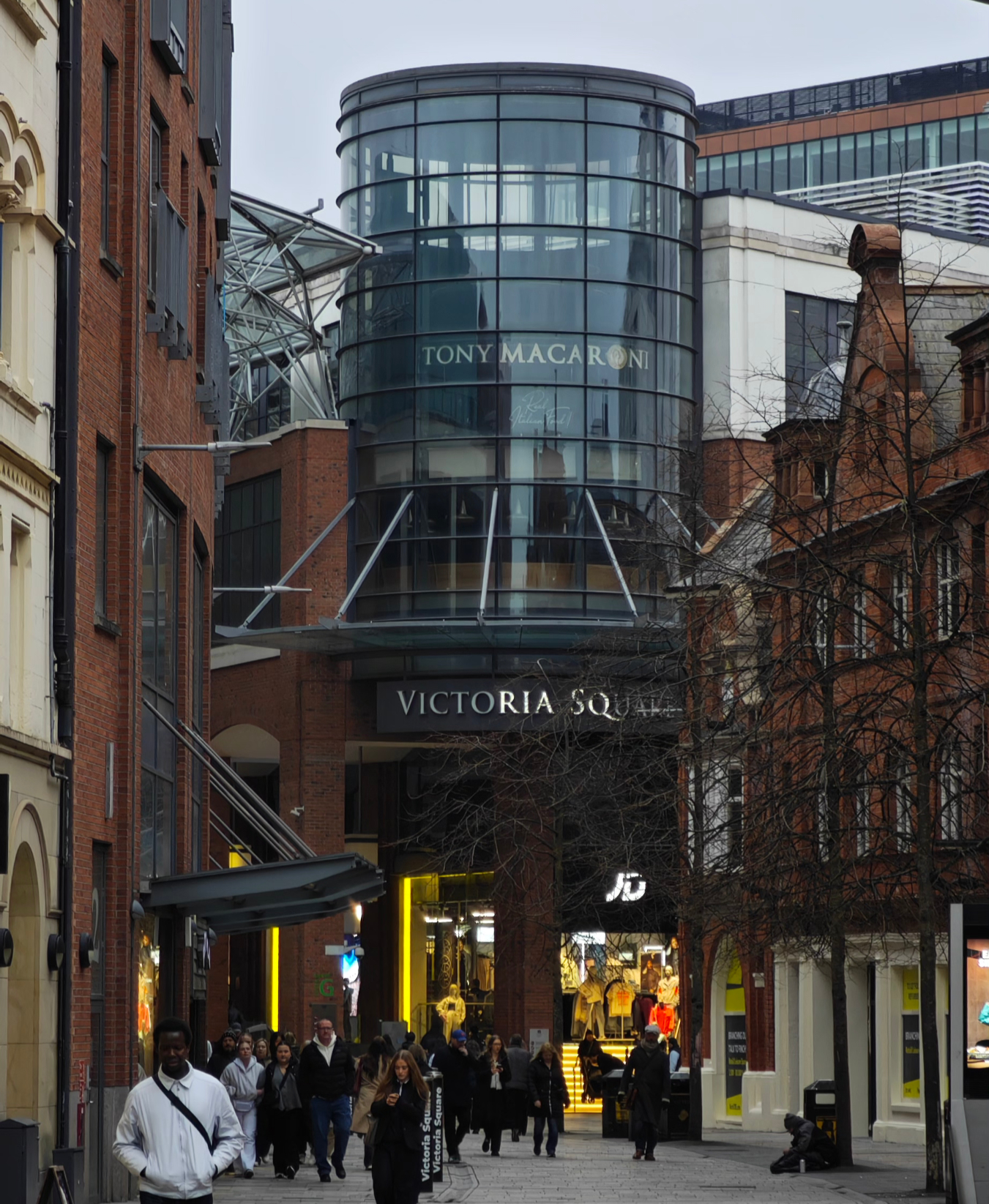
Our exploration led us to Victoria Square, a modern shopping center that perfectly balances contemporary retail with architectural flair. The glass dome at the top level offers a panoramic view of Belfast, though the city's characteristic overcast weather limited visibility during our visit.
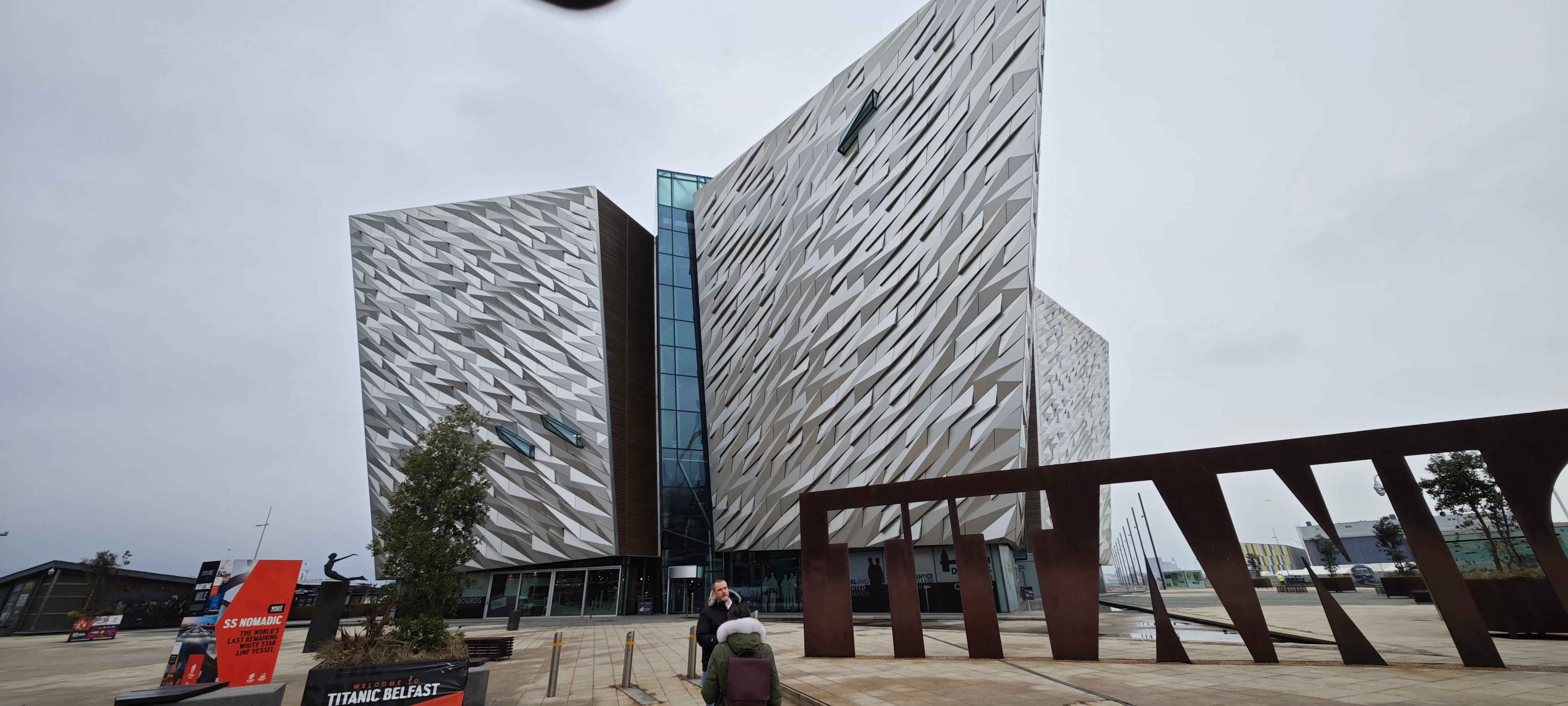
On our final morning, we headed to the Titanic Belfast in the regenerated Titanic Quarter. The modern building sits 100 meters from where the original ship was built, and its angular design makes it impossible to miss. What's fascinating about this museum is how Belfast has approached the Titanic narrative. While most people know only about the tragic end of the ship, Belfast chose to tell the complete story, beginning with the city's industrial heritage. They've managed to transform what could have been just a story of disaster into a broader narrative about Belfast's maritime heritage, industrial capabilities, and the thousands of skilled workers who built the ship.
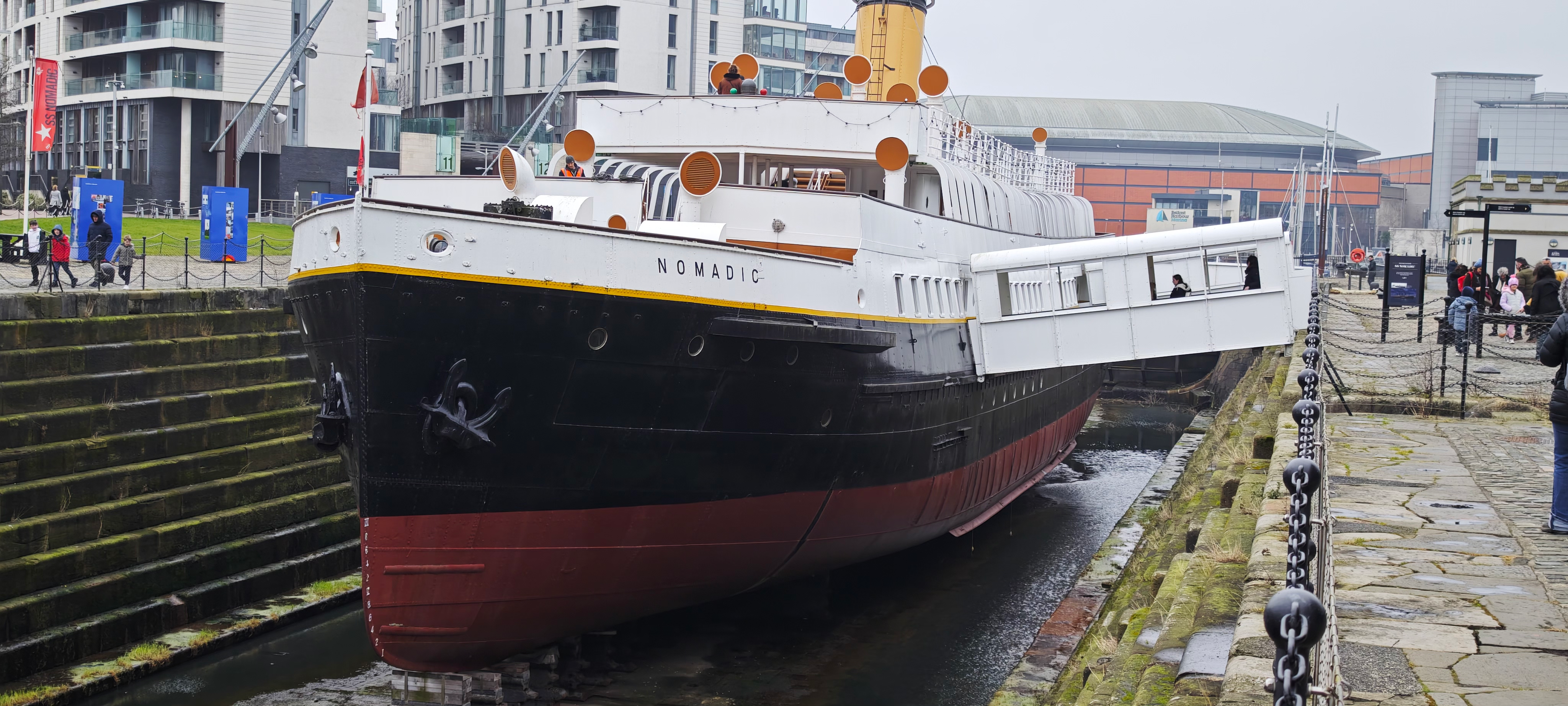
The experience now covers ten interactive galleries, and the Titanic Experience ticket includes SS Nomadic. Allow several hours and check visitor information. You can compare availability for an entry ticket on Tiqets, paying attention to the selected time and cancellation terms.
After our Titanic experience, we returned to our hotel to collect our luggage and caught the bus back to the airport, concluding our 48 hours in Belfast. Despite the persistent rain, we left with a deeper appreciation for this complex city that continues to reinvent itself while honoring its past.
While exploring Belfast we also passed the Albert Memorial Clock in Queen’s Square. The tall clock tower makes a lovely brief photo stop rather than a lengthy visit. Built in the nineteenth century in memory of Prince Albert, it leans slightly because of the ground beneath it. More about the clock
Practical Tips:
Public transportation is efficient and user-friendly.
Don't forget your umbrella!
Most major attractions are within walking distance in the city center
The Titanic Experience requires at least 2-3 hours
Many museums and attractions offer free entry
Book popular attractions in advance when possible
Hotel booking links are affiliate links. We may earn a commission when you book through them, at no extra cost to you.