72 Hours in Charlottesville
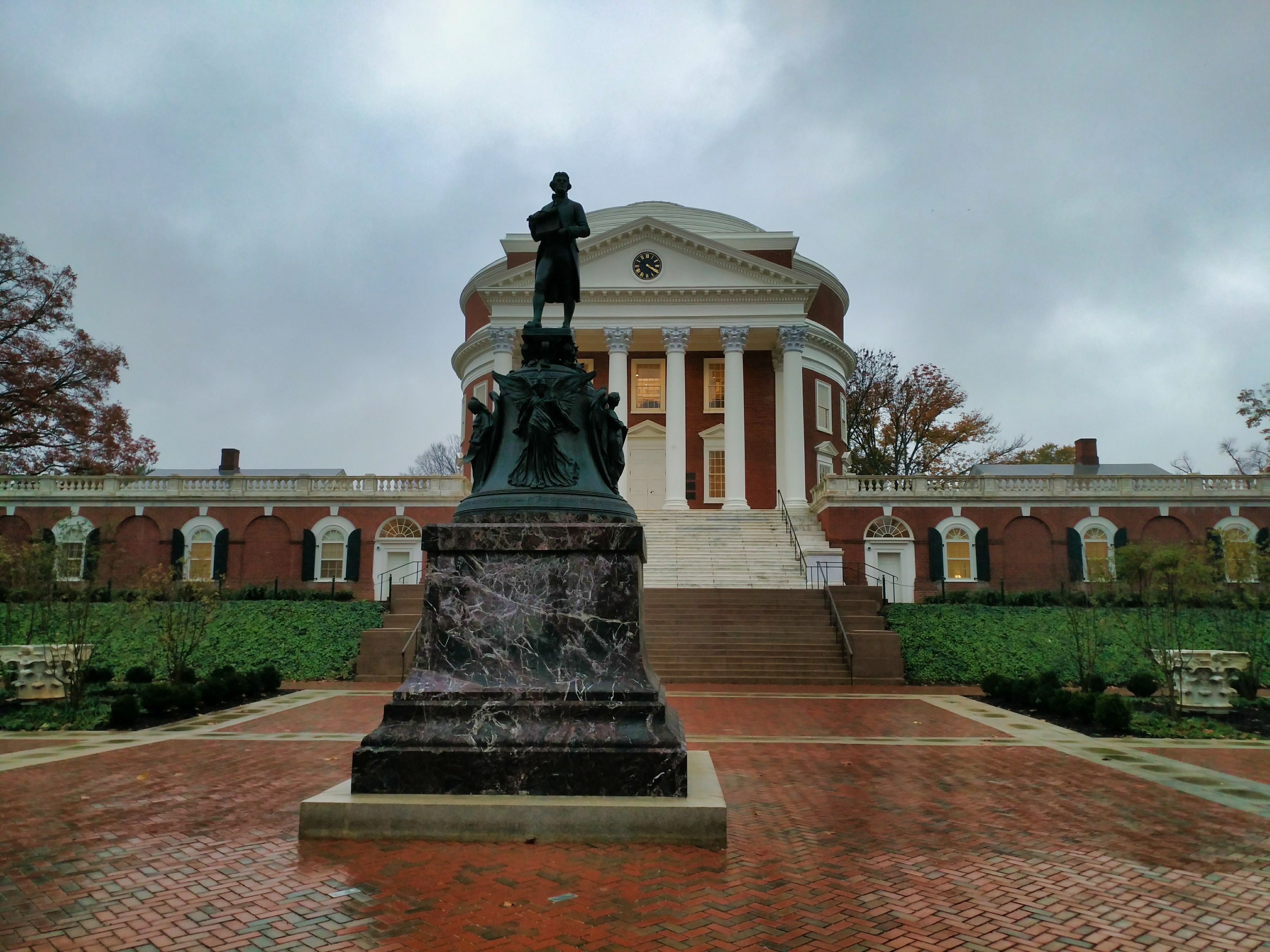
Charlottesville, Virginia is a small beautiful town that screams history from every corner: buildings and courtyards that were evident to some important historical stories; three presidents lived nearby; and lots of beer and wine.
We visited at a time when the violence of 2017 was still very present in local conversations. The beauty and quiet of the streets contrasted painfully with Heather Heyer’s murder and the racism behind it. The region’s history contains its own contradictions: Jefferson and Madison helped shape ideas of liberty while enslaving people, as Monroe also did.
We came to Charlottesville from another conference that took place in Milwaukee. We flew to one of Washington D.C. airports and rented a car over there. The drive to Charlottesville was easy and went on without any problems. We arrived at our hotel in the afternoon - an excellent hotel located in the city center. Liat went directly to her conference while I started to explore the town.
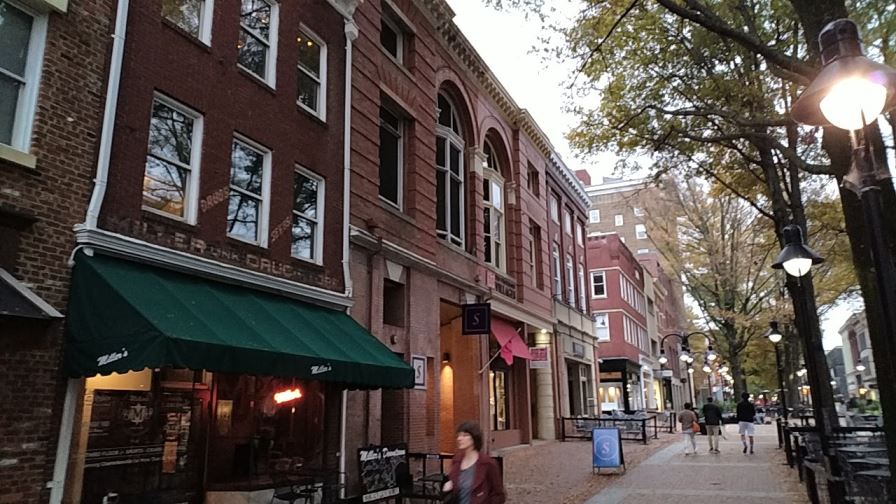
The Downtown Mall is an open-air pedestrian street, not an enclosed shopping centre. Its historic buildings house restaurants, shops and entertainment. Our nearby hotel made it easy to walk out for a meal or a wander. Maps and advice were very helpful during my visit. The visitor service has since changed and now includes mobile locations; check where to find assistance on your dates.
The Free Trolley links downtown with the university; check the timetable rather than assuming it reaches out-of-town attractions. Visitor information is now also provided at mobile locations; check the day’s stops and hours.
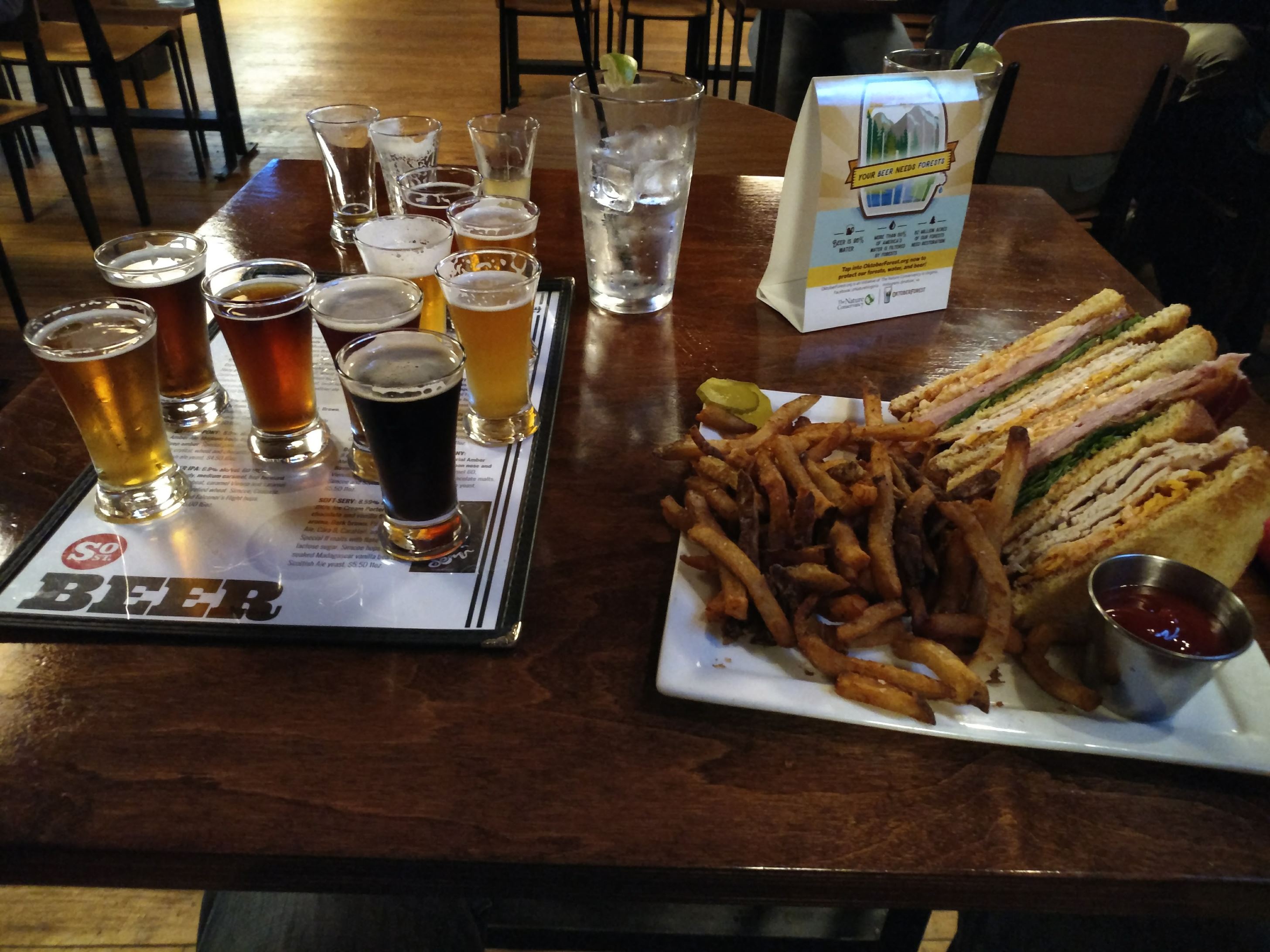
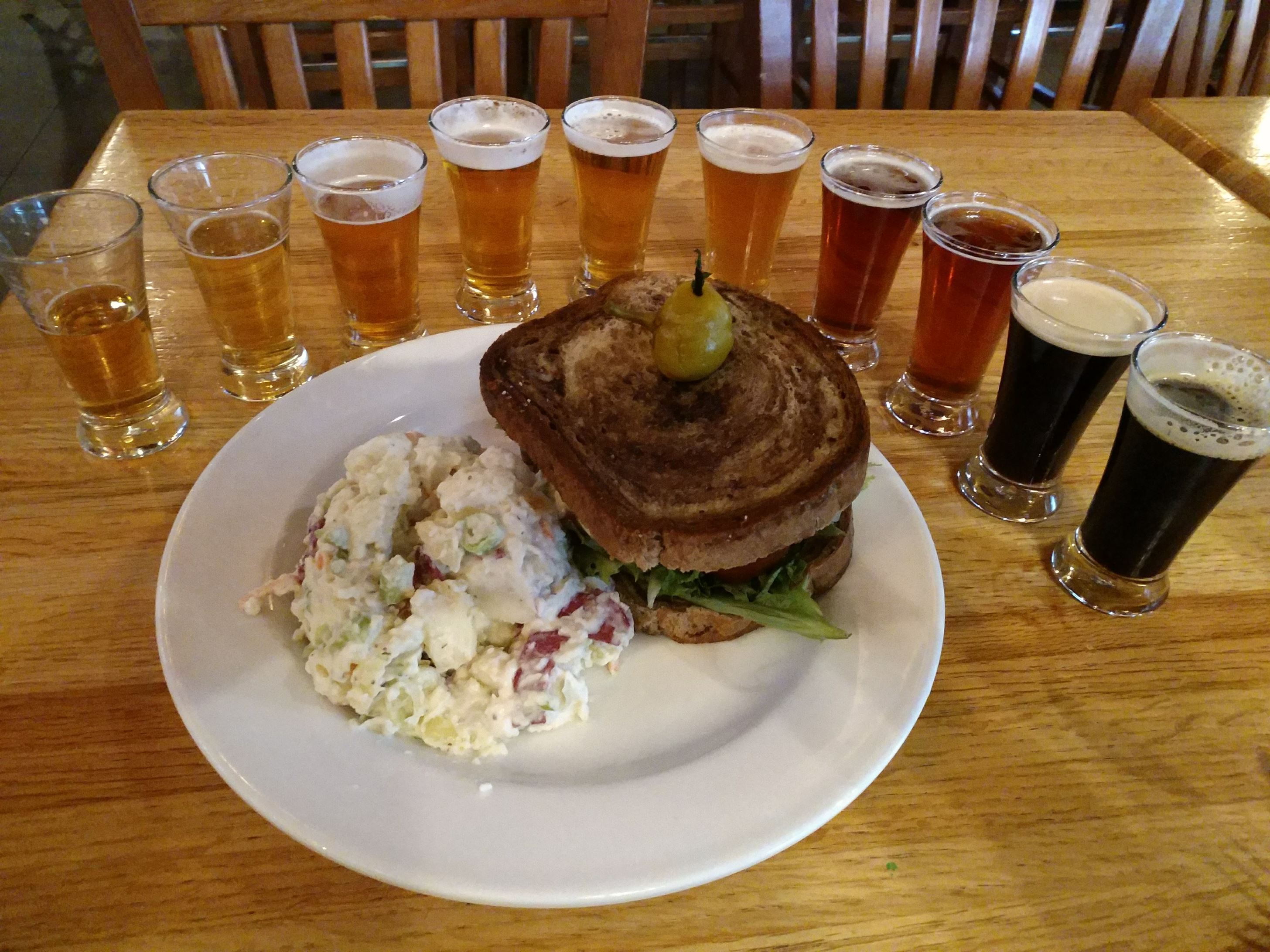
My day ended in a lovely local brewery restaurant called South Street Brewery. I ordered samples of local beers (they call a series of beer samples – a Flight) and a burger.
A separate option we did not take is this history and culture walk on GetYourGuide.
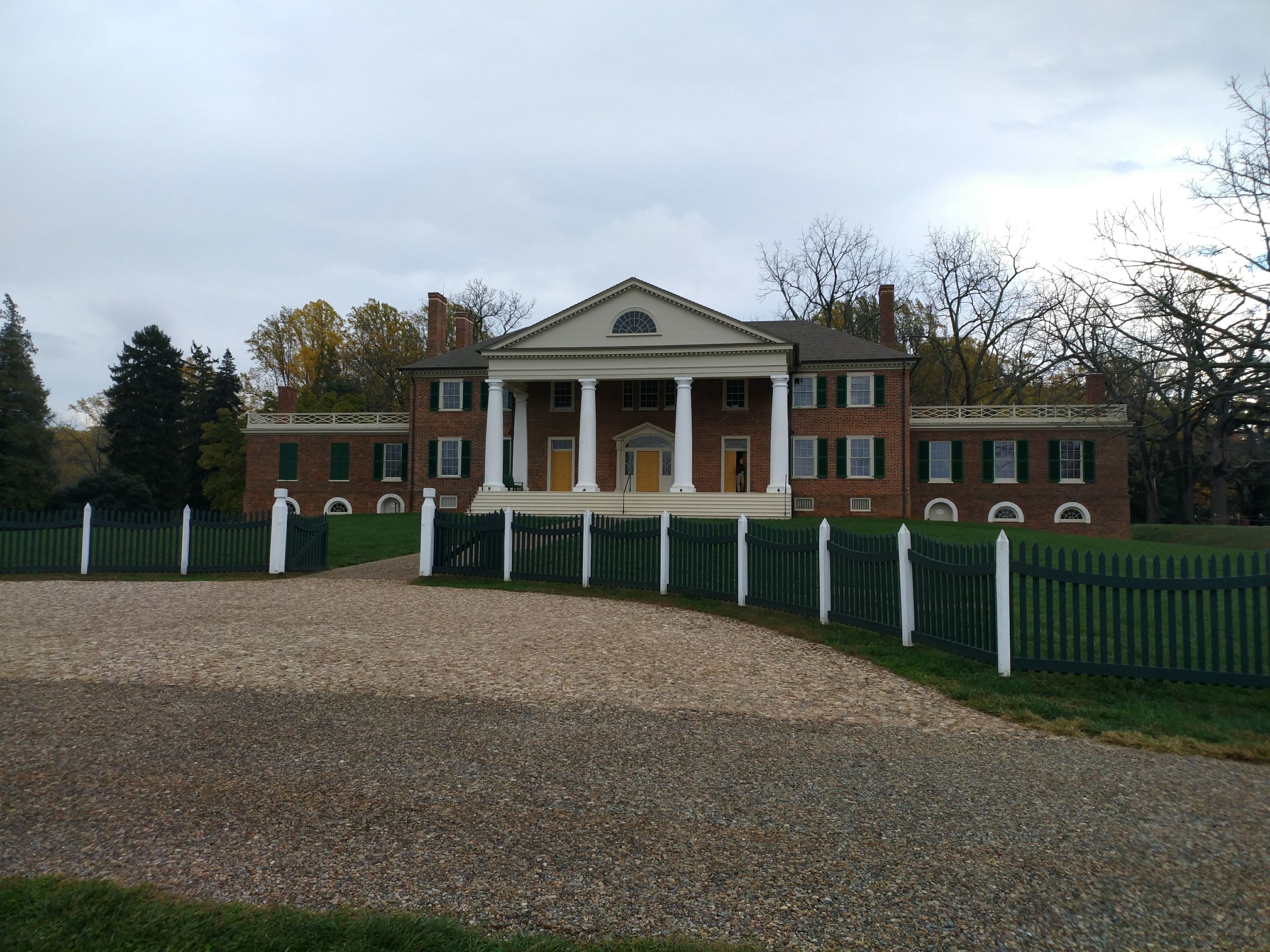
The following day I drove to Montpelier, James Madison’s estate. The visit connects the man associated with the Constitution and Bill of Rights with the people enslaved on his plantation. The slavery exhibition is an essential part of the experience, not simply an extra beside the house tour.
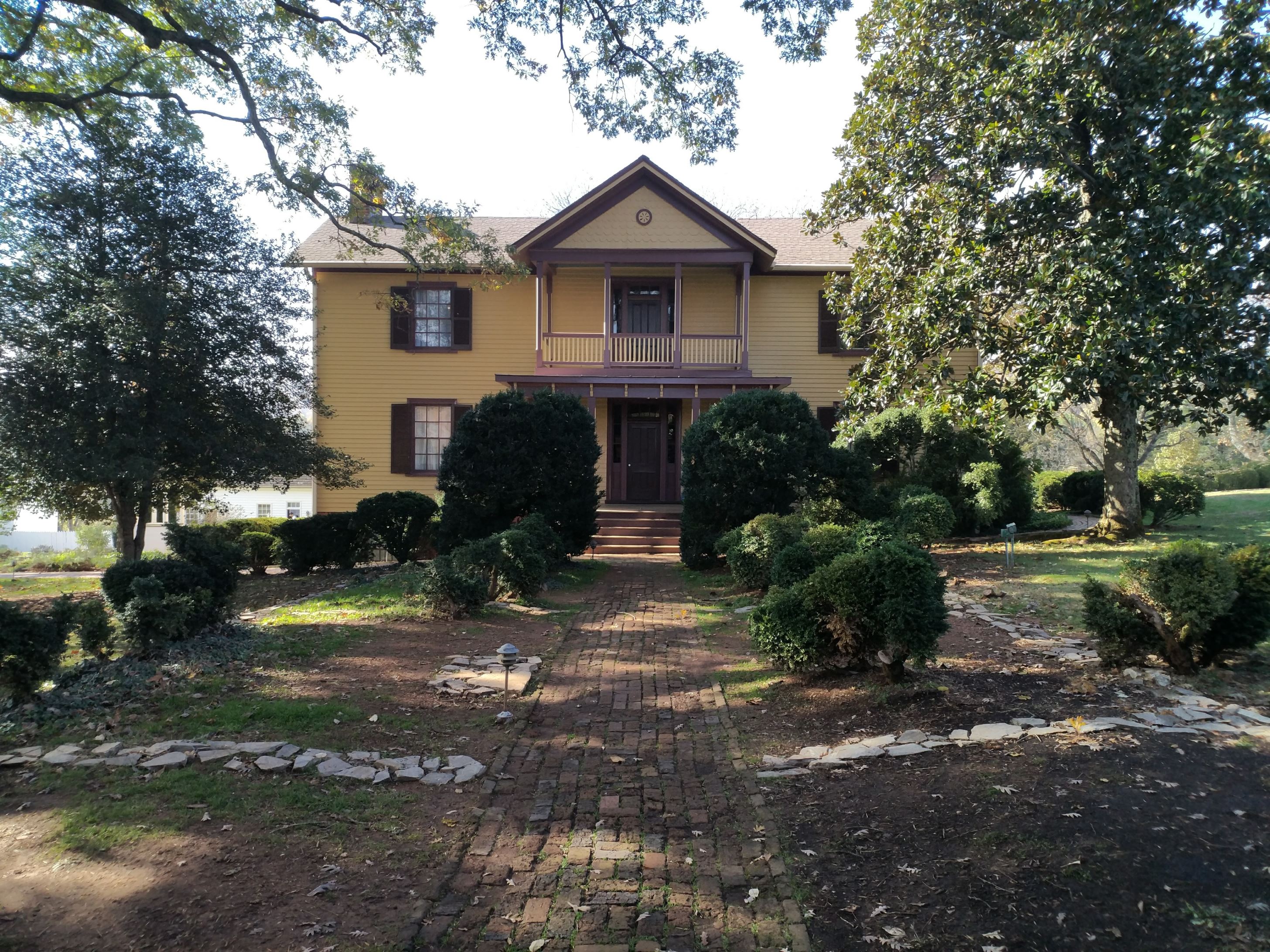
I continued to Highland, James Monroe’s estate. Its archaeological story was particularly intriguing: the small house standing today is an 1818 guesthouse, while the original main residence no longer survives above ground.
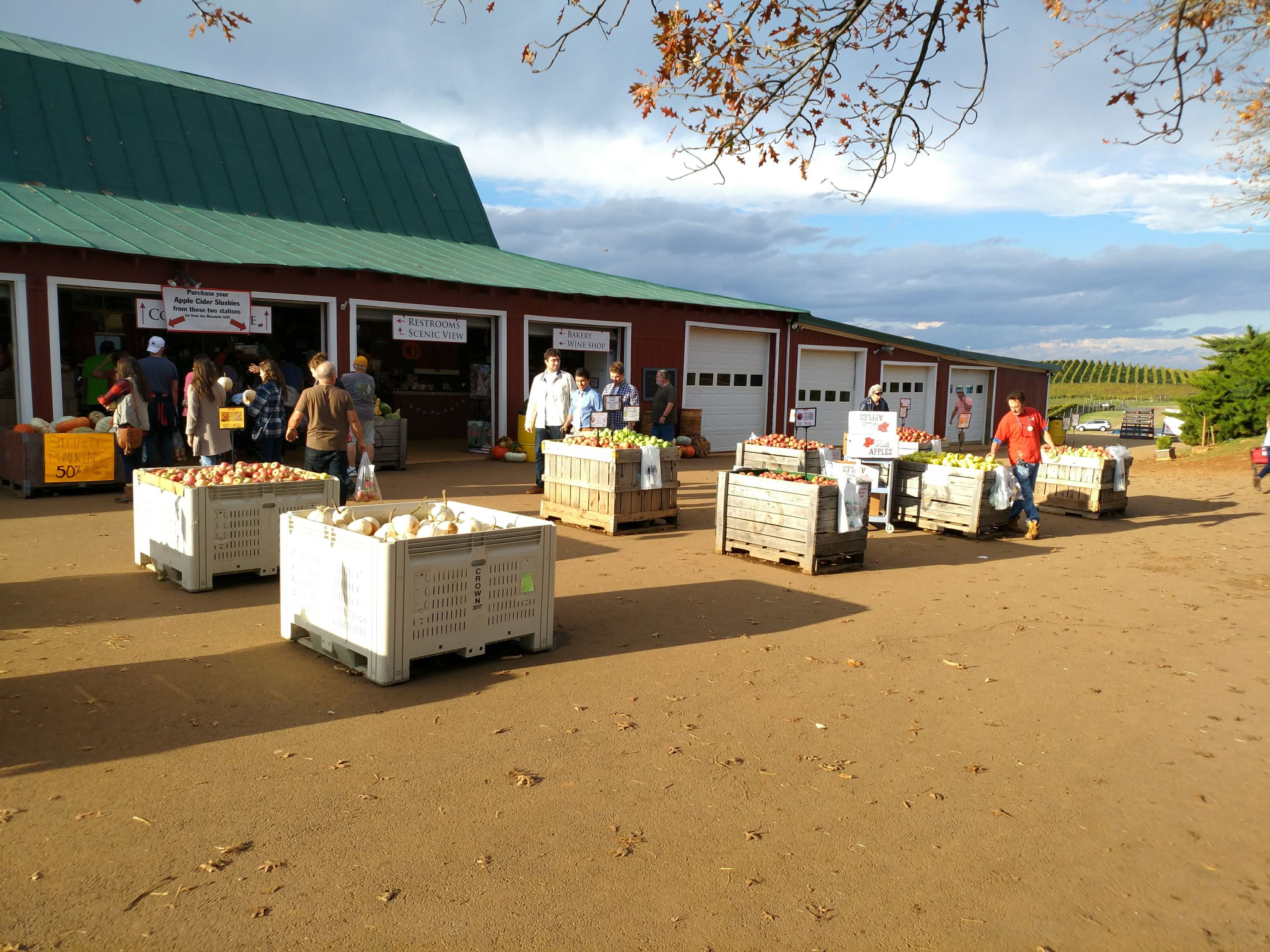
I stopped at Carter Mountain Orchard on the way from Highland to Charlottesville and enjoyed the view and the chance to buy fruit and baked goods. Produce and pick-your-own activities depend on the season. On selected busy autumn dates, an entry pass is required even just to visit the property, with picking charged separately; check when advance booking is needed.
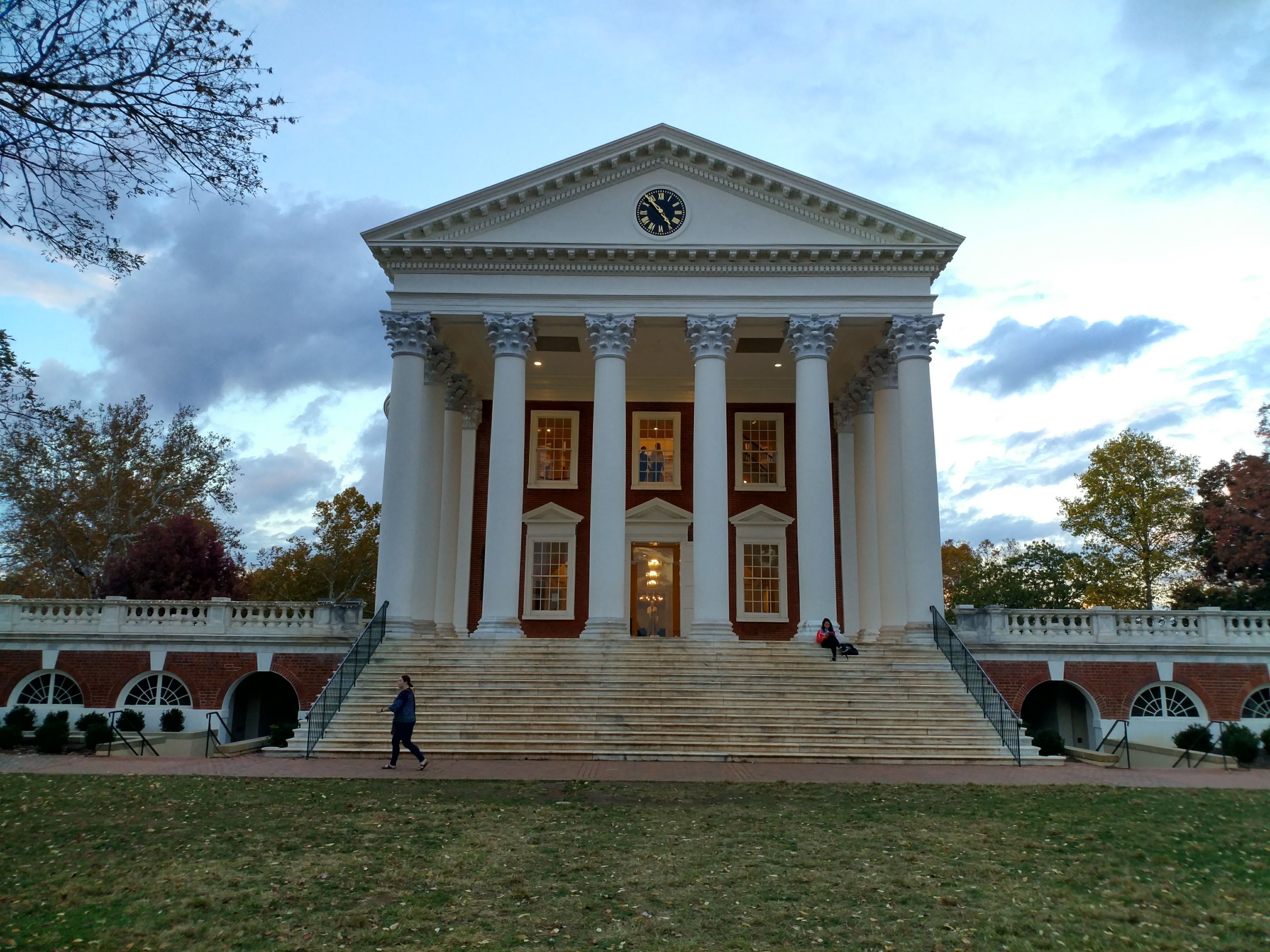
Later I joined Liat and her colleagues for a tour of the University of Virginia. The Rotunda, pavilions and gardens were so interesting that I returned to explore on my own the next day.
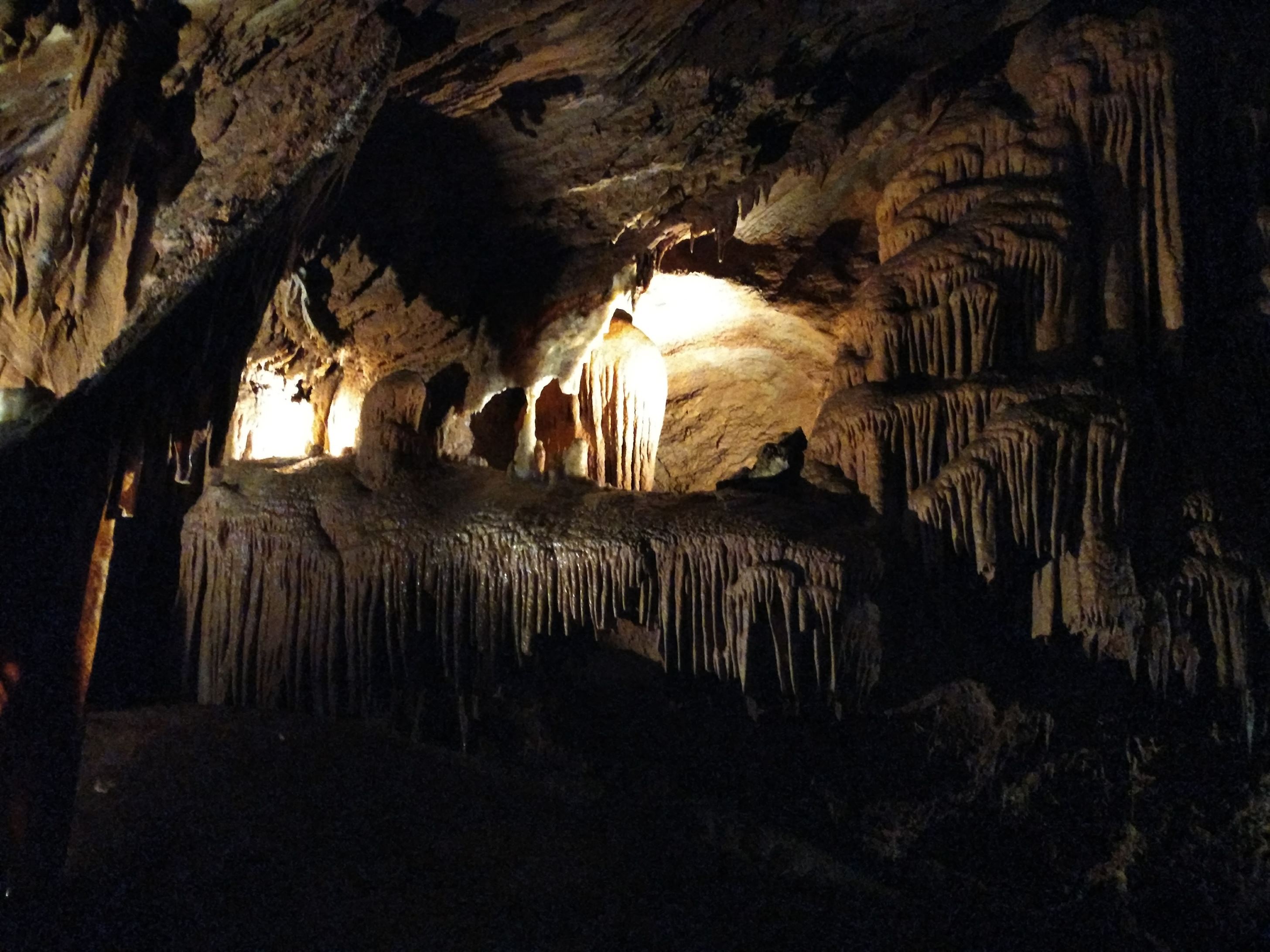
On the third day I drove to Grand Caverns, near Grottoes. A guided tour took me among striking stalactites and stalagmites, with historic inscriptions on the walls. Book a tour ahead and bring an extra layer: the caves stay at about 12°C even when it is warm outside.
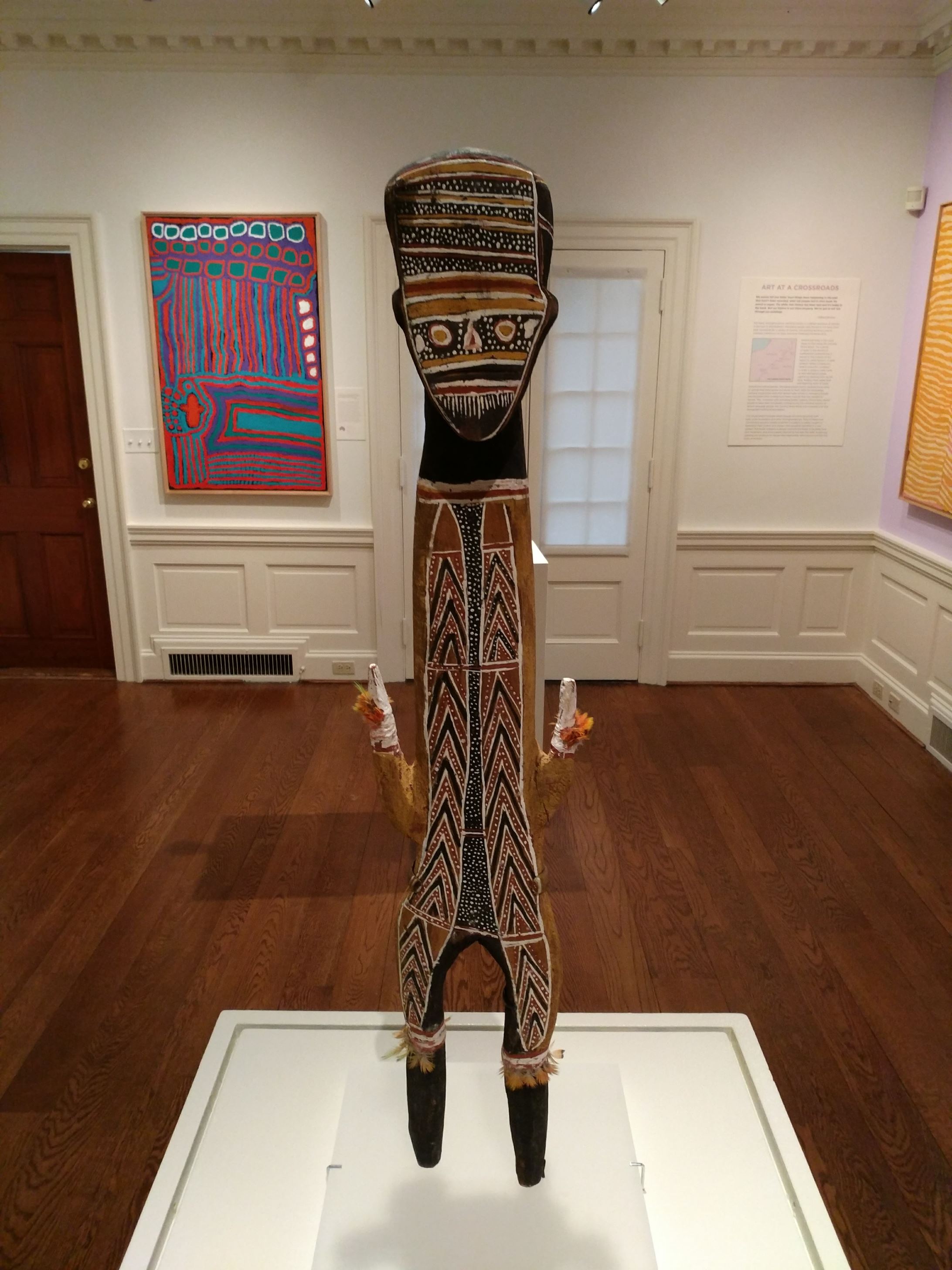
After a meal at Blue Mountain Brewery, I visited the Kluge-Ruhe Aboriginal Art Collection. This small, welcoming University of Virginia museum brought something quite different to a trip dominated by local history and presidential estates. John Kluge donated the collection to the university in 1997.
I had enough time to explore the University itself for a couple of hours and closed the day with a lovely dinner at Hamilton's at First & Main restaurant.
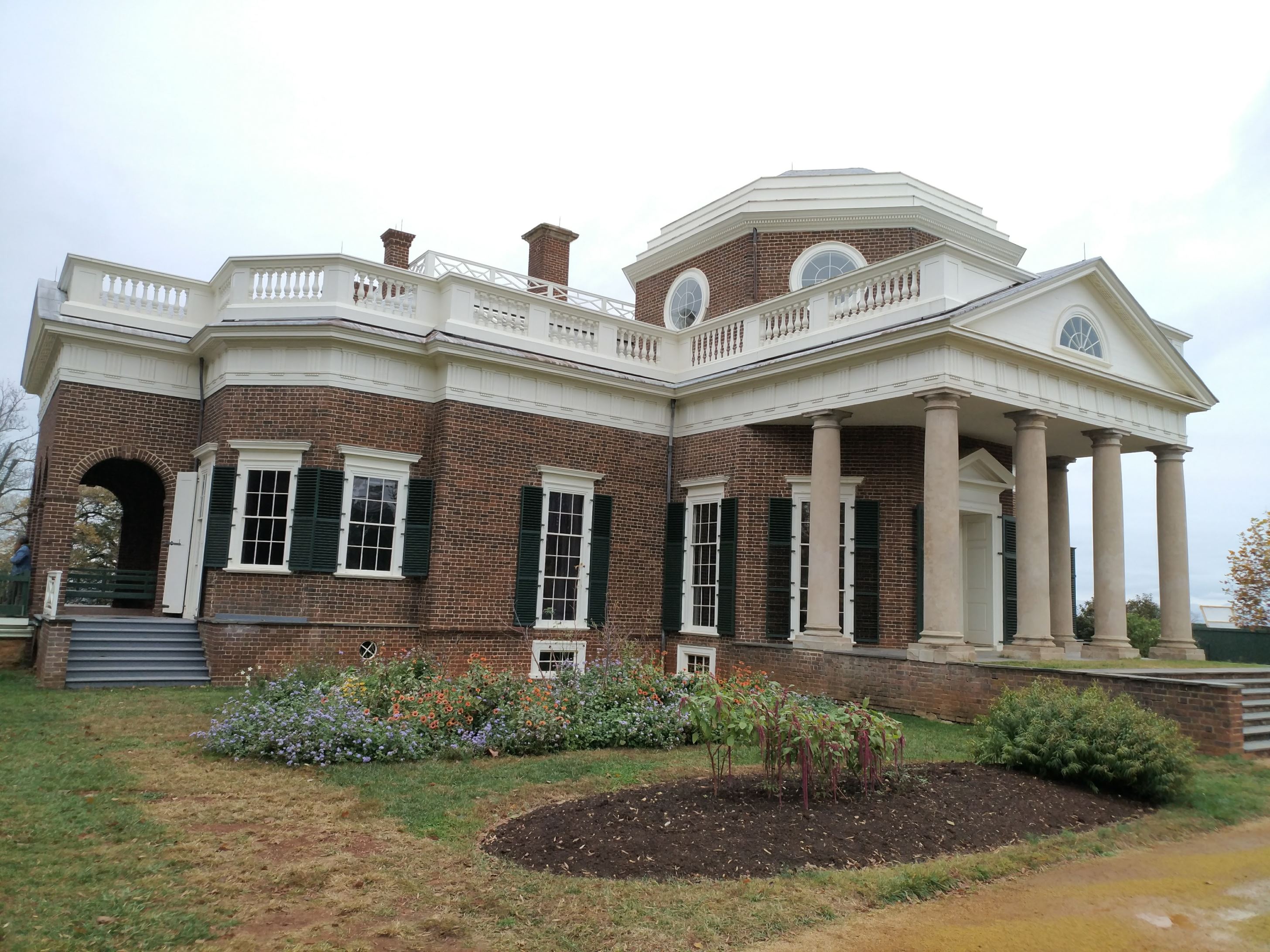
On our last morning, Liat joined me at Monticello, Thomas Jefferson’s estate. The house, gardens and working spaces bring his architectural talent into view alongside the harsh realities that sustained plantation life. Choose the right ticket in advance: grounds-only admission does not include the house.
For travellers based in Washington who want to visit Monticello without driving, a small-group day trip on GetYourGuide includes transport from Washington and admission with a house tour. It is not a local admission ticket for people staying in Charlottesville, and it is not the trip we took.
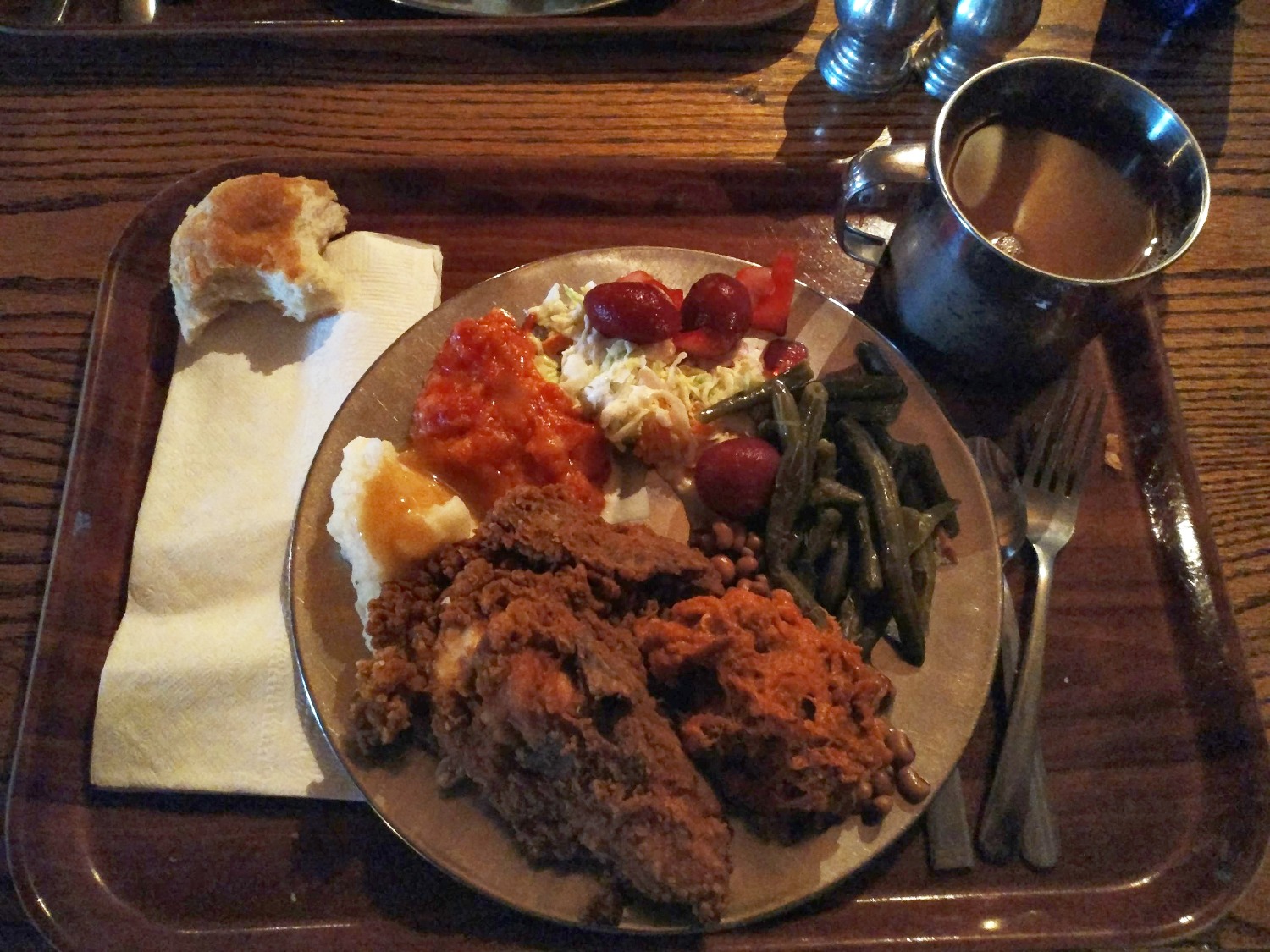
Before driving back towards Washington, we stopped for lunch at Michie Tavern. Southern food and a historic setting made a fitting end to 72 hours of history and Virginia scenery.
We walked around downtown and used a car for the estates and caverns. Compare rental cars on DiscoverCars, checking insurance and collection conditions. Pair beer or cider tastings with a non-drinking driver or alternative transport.
Our 72 hours in Charlottesville and the surrounding area were full of history, beer and beautiful Virginia scenery.
Find Hotels
Looking for accommodation in Charlottesville? Compare hotels, prices and availability on Trip.com. This is a city hotel search, not a personal recommendation for a specific property.
Hotel booking links are affiliate links. We may earn a commission when you book through them, at no extra cost to you.
All Articles from This Trip
Charlottesville Jefferson Street
Carter Mountain Orchard near Charlottesville
The Kluge-Ruhe Aboriginal Art Collection
Monticello – Thomas Jefferson Residence