Five Days in Gdansk
Gdansk is a beautiful old city in northern Poland, on the shores of the Baltic Sea. Walking the town, you can literally feel the wheels...
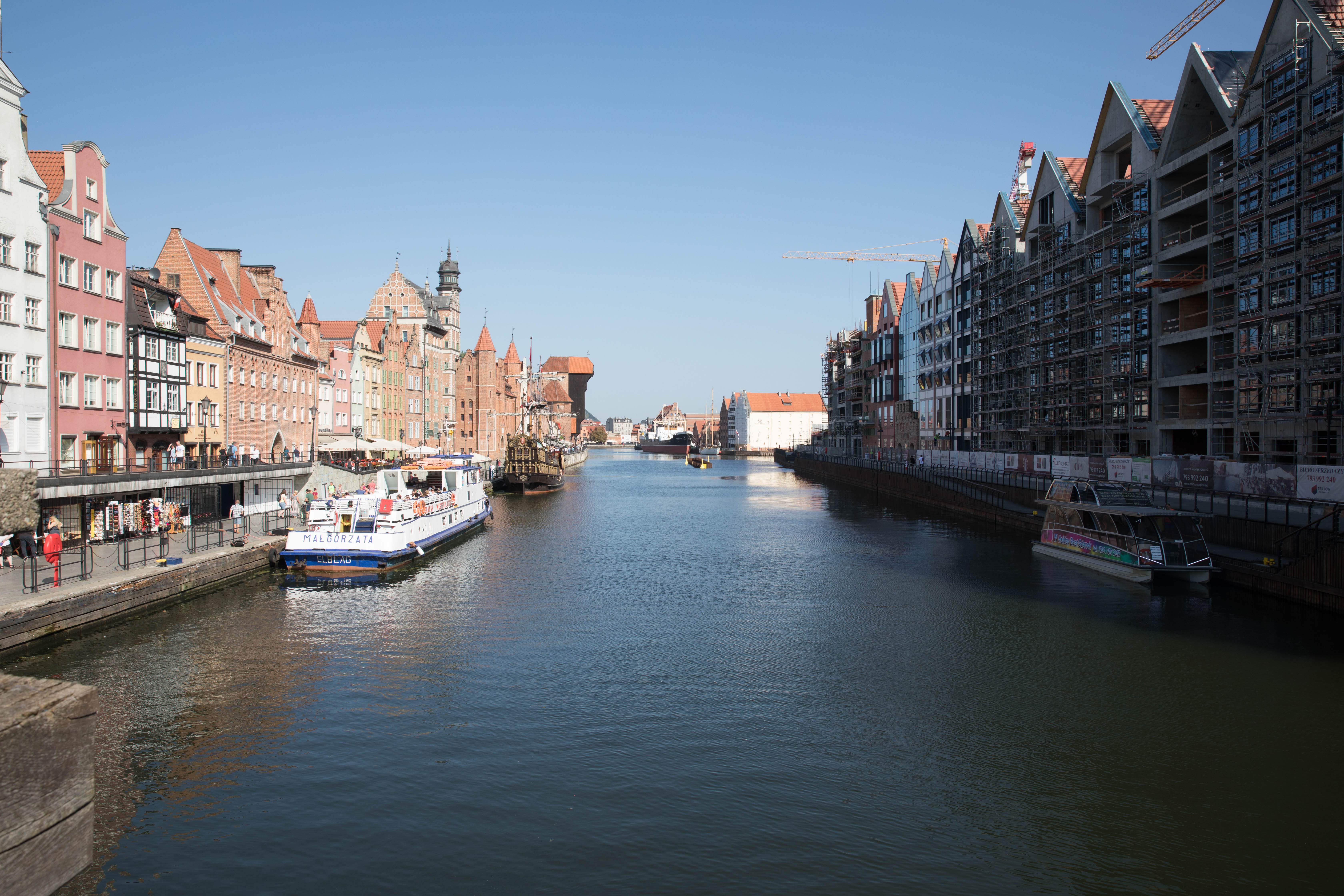
We spent five days in Gdańsk in September 2018, around a conference Liat was attending. It is an easy city to enjoy on foot without a packed schedule, but its excellent museums and history deserve time too. The Solidarity movement that emerged here played a major role in the struggle against communist rule in Poland and the changes that followed in the region.
A visit to Gdansk is a first-rate cultural and historical experience. Therefore, it must definitely be a part of your future touristic plans.
We spent our first evening around Długi Targ, the Long Market, returning later in daylight. The buildings and atmosphere feel different by day and after dark, and we recommend experiencing both.
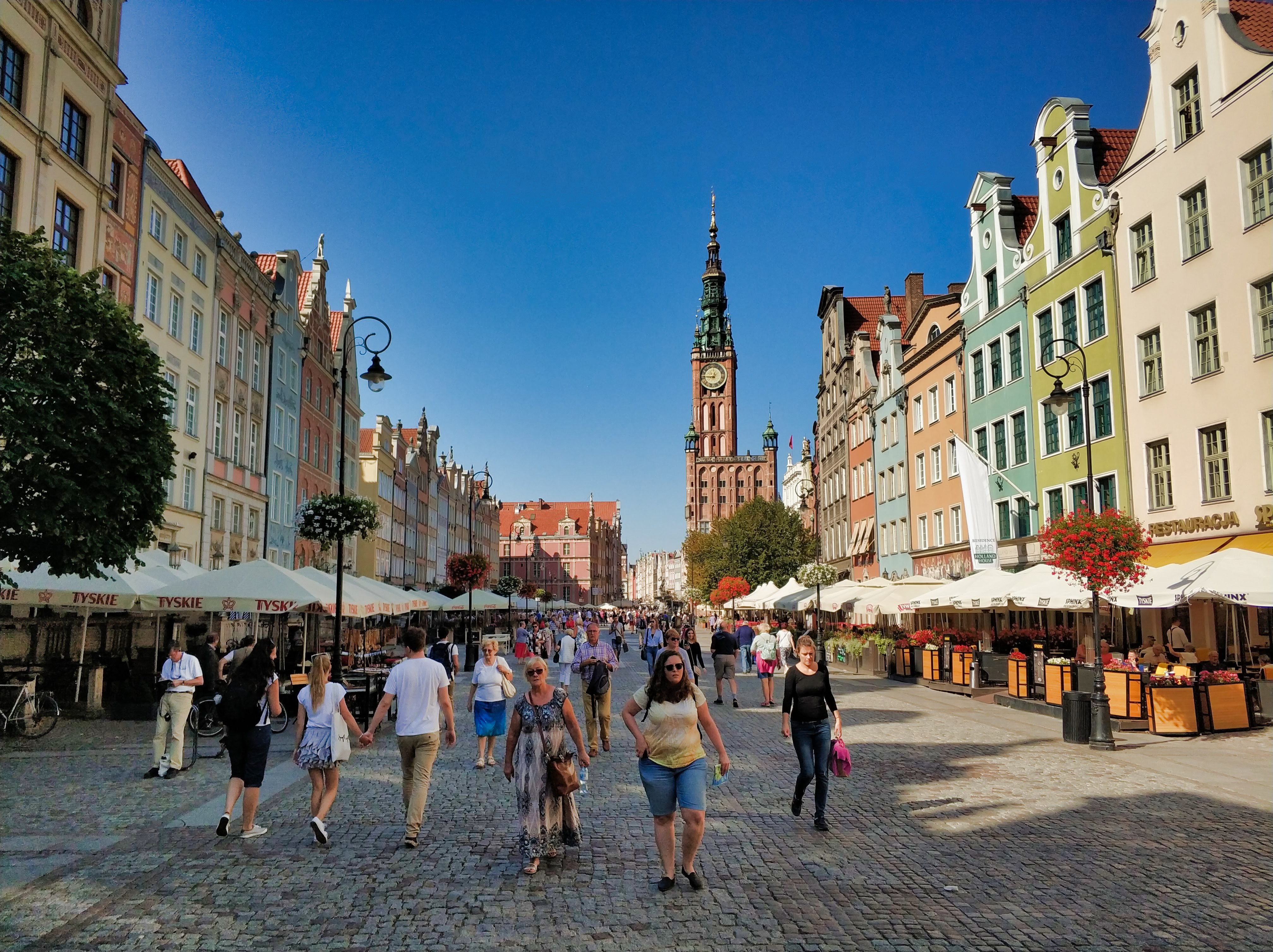
After dinner in the expansive and highly overrated restaurant called Piwna47, We took a ride on the Amber Sky attraction – a Ferris wheel in the middle of the city, which ended our first day.
We enjoyed the night views, although we would not call the wheel an essential stop.
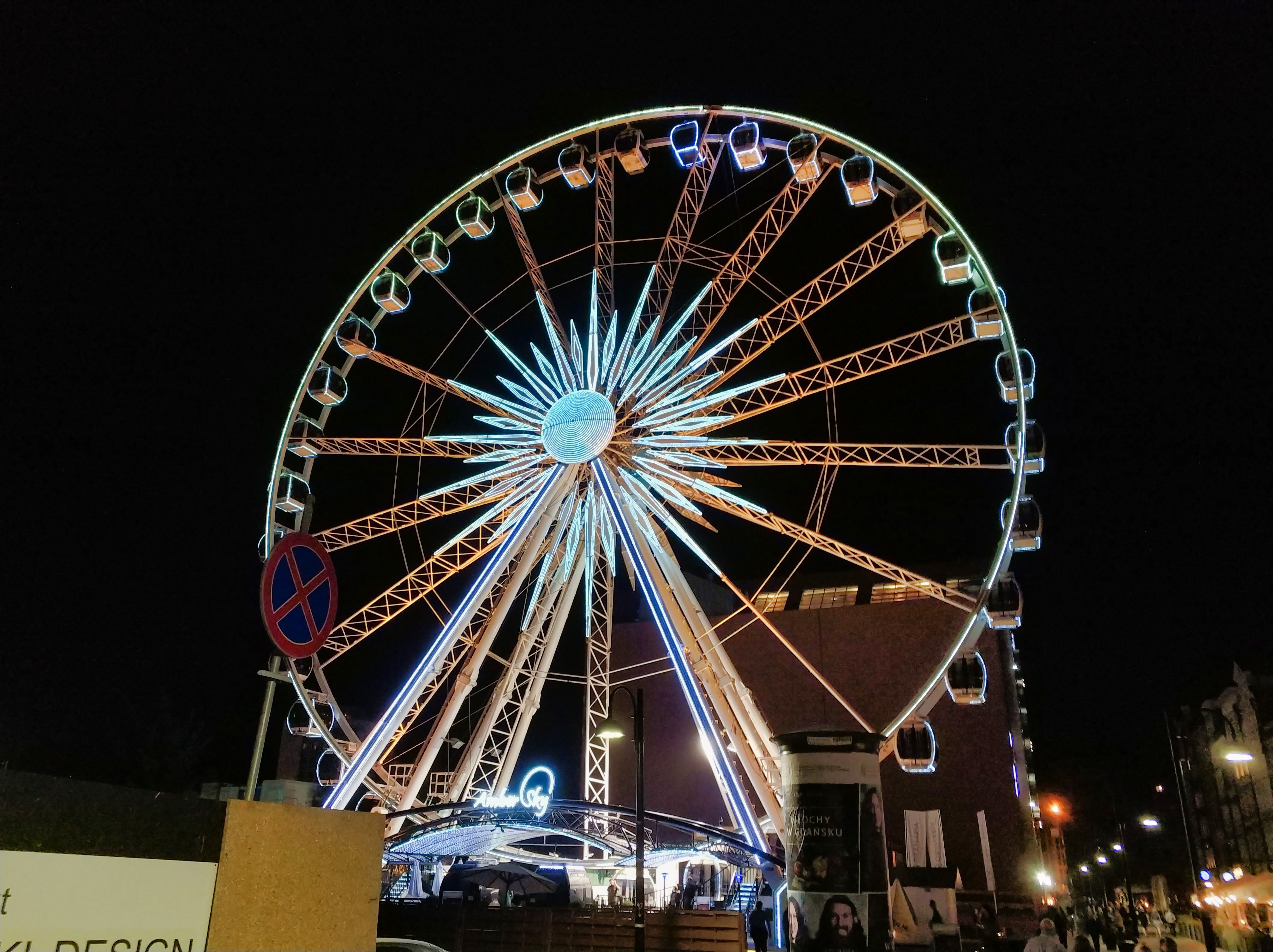
On our second day we joined two Walkative tours, one about the city’s history and another about communism and Solidarity. We enjoyed both very much. For those who prefer to book ahead, a separate option is this two-hour walking tour of the historic centre on GetYourGuide. It is not the tour we took in 2018.
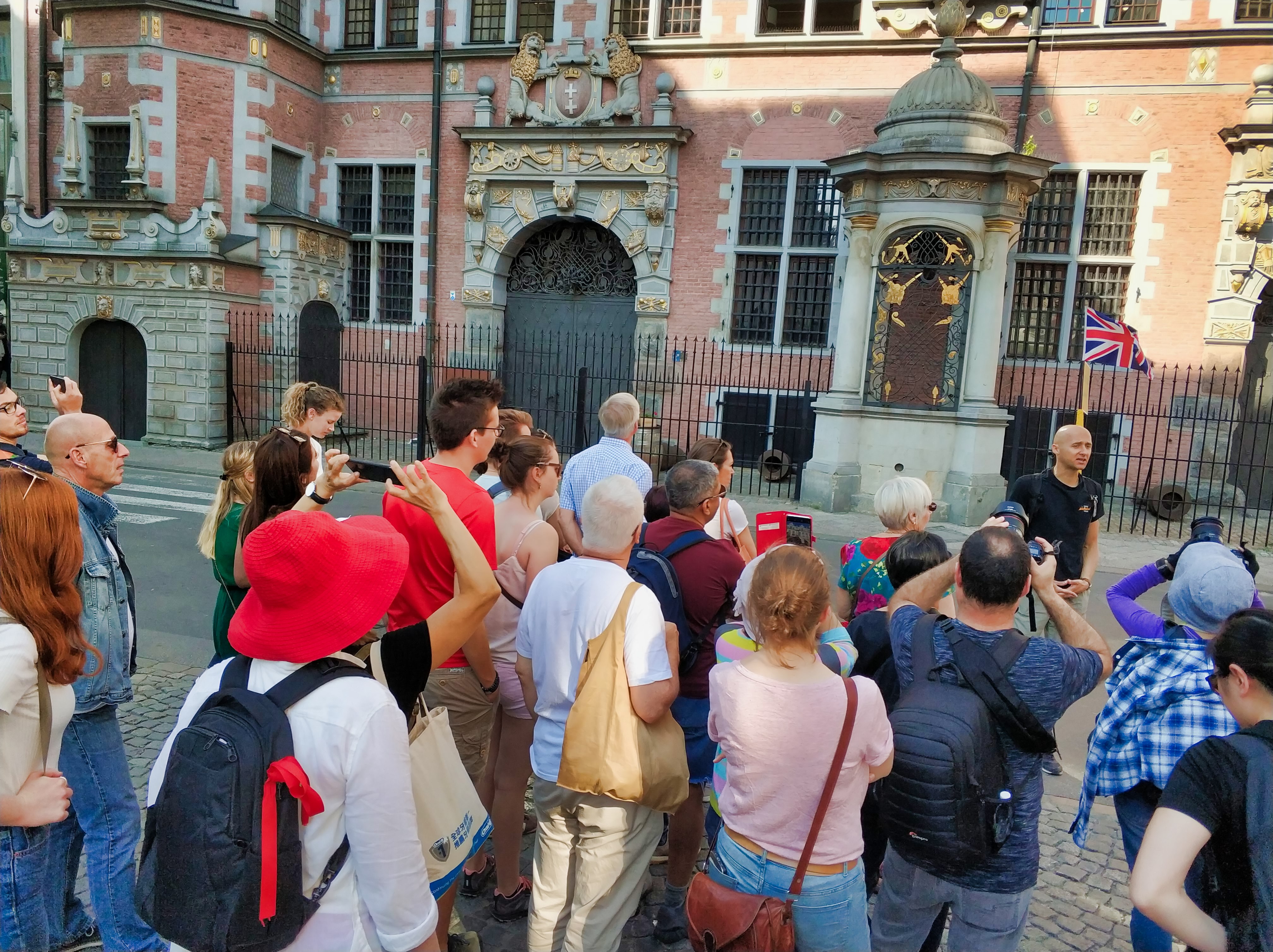
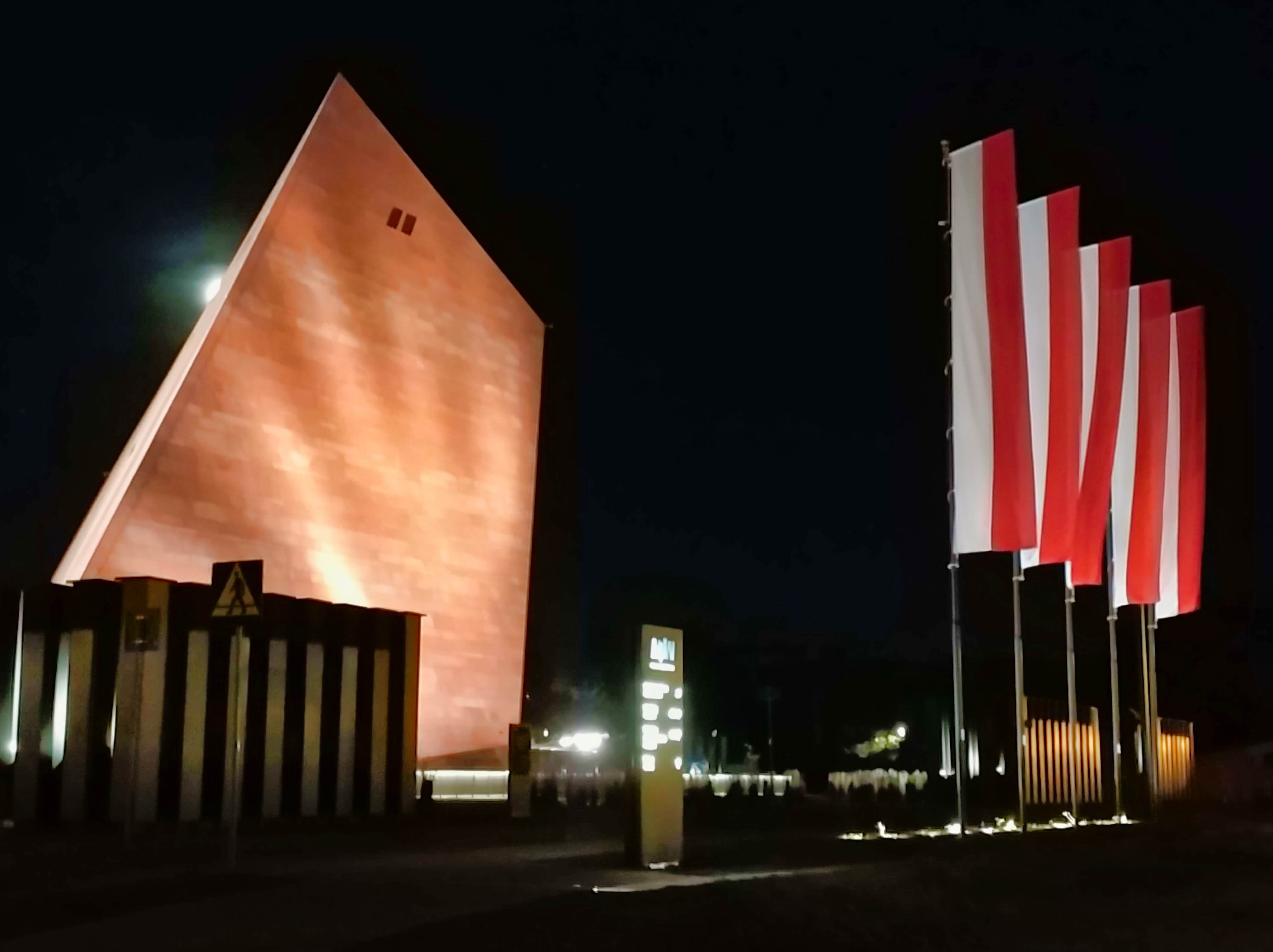
We reached the Museum of the Second World War rather late and had only about two hours left. It is an impressive museum that we recommend allowing at least three hours for. Alongside the impact of the visit, we had reservations about the way different experiences of hunger were presented at the time. That reflects our visit in 2018, not a claim about every later version of the exhibition. Check the official visitor and ticket information before going.
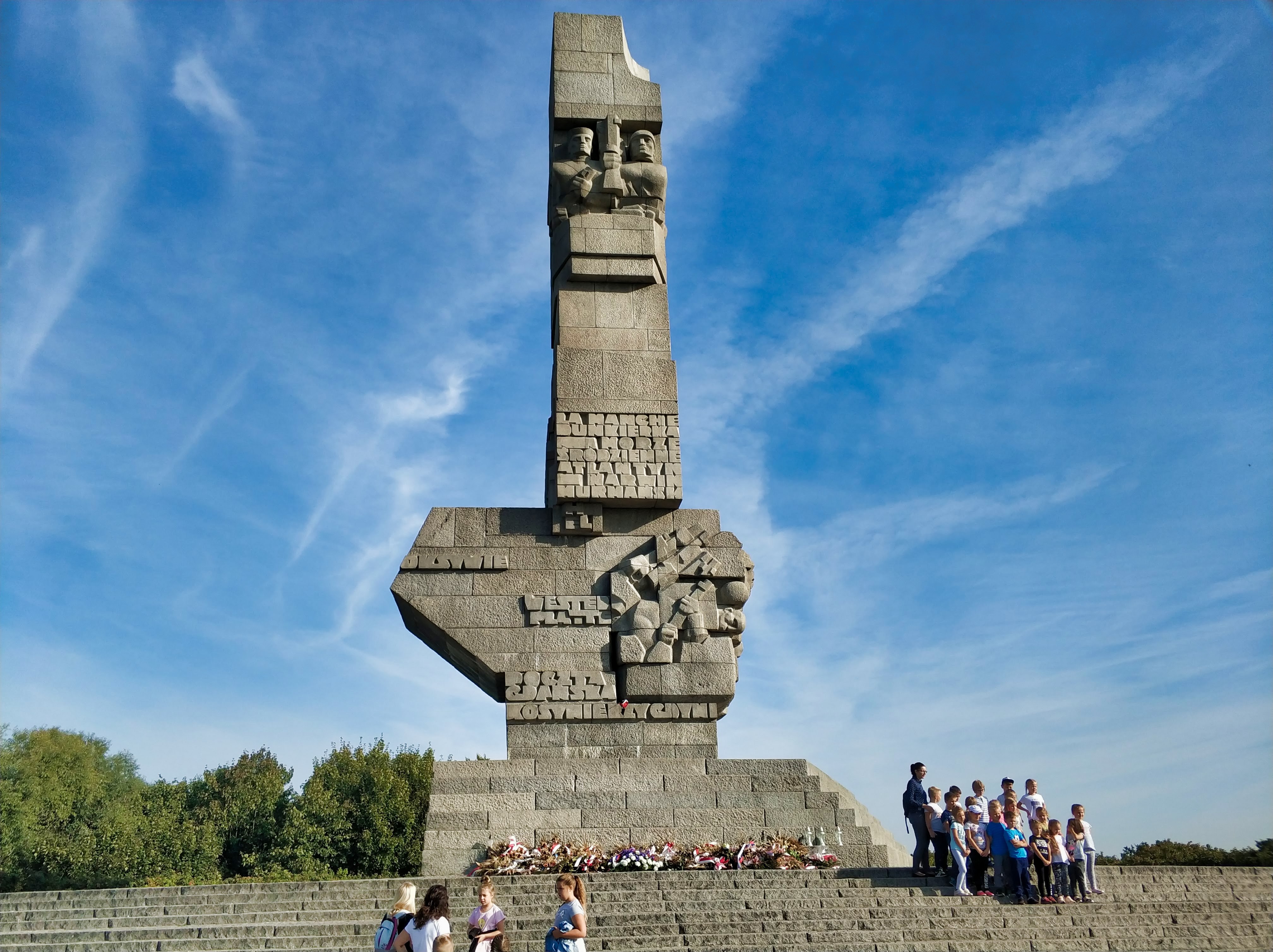
At Westerplatte we visited the scene of one of the opening battles of the Second World War. The Polish outpost was attacked on 1 September 1939, and its defenders surrendered on 7 September after seven days of fighting. Our navigation app initially sent us to the wrong side of the river, so make sure you select the actual visitor access point. Check the current access and visitor arrangements before going.
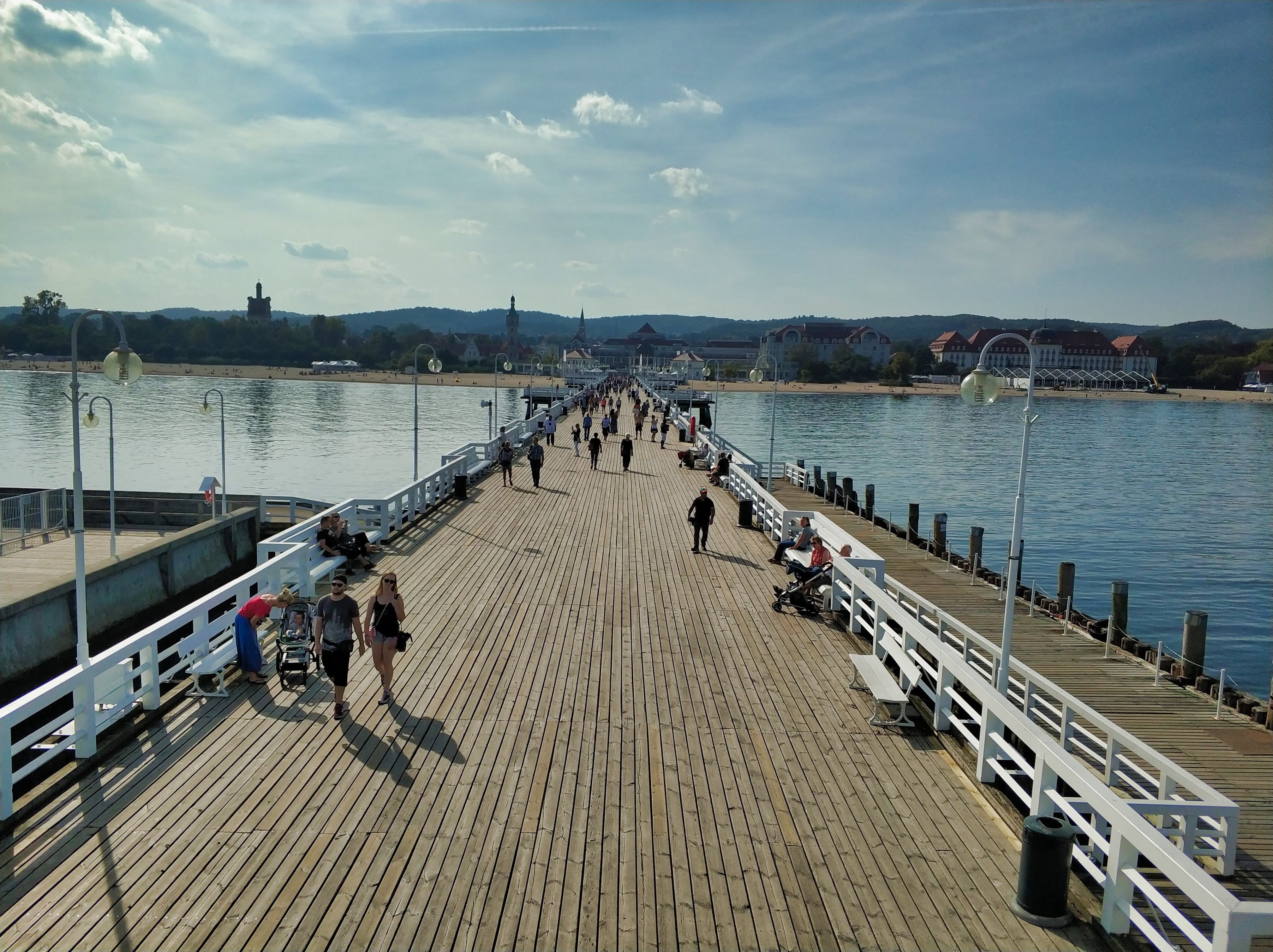
We continued to Sopot for a walk along the main street and around the pier. It was pleasant, but our recommendation is qualified: it may suit a beach holiday very well, while on a short city break we would prioritise the places we enjoyed most in Gdańsk.
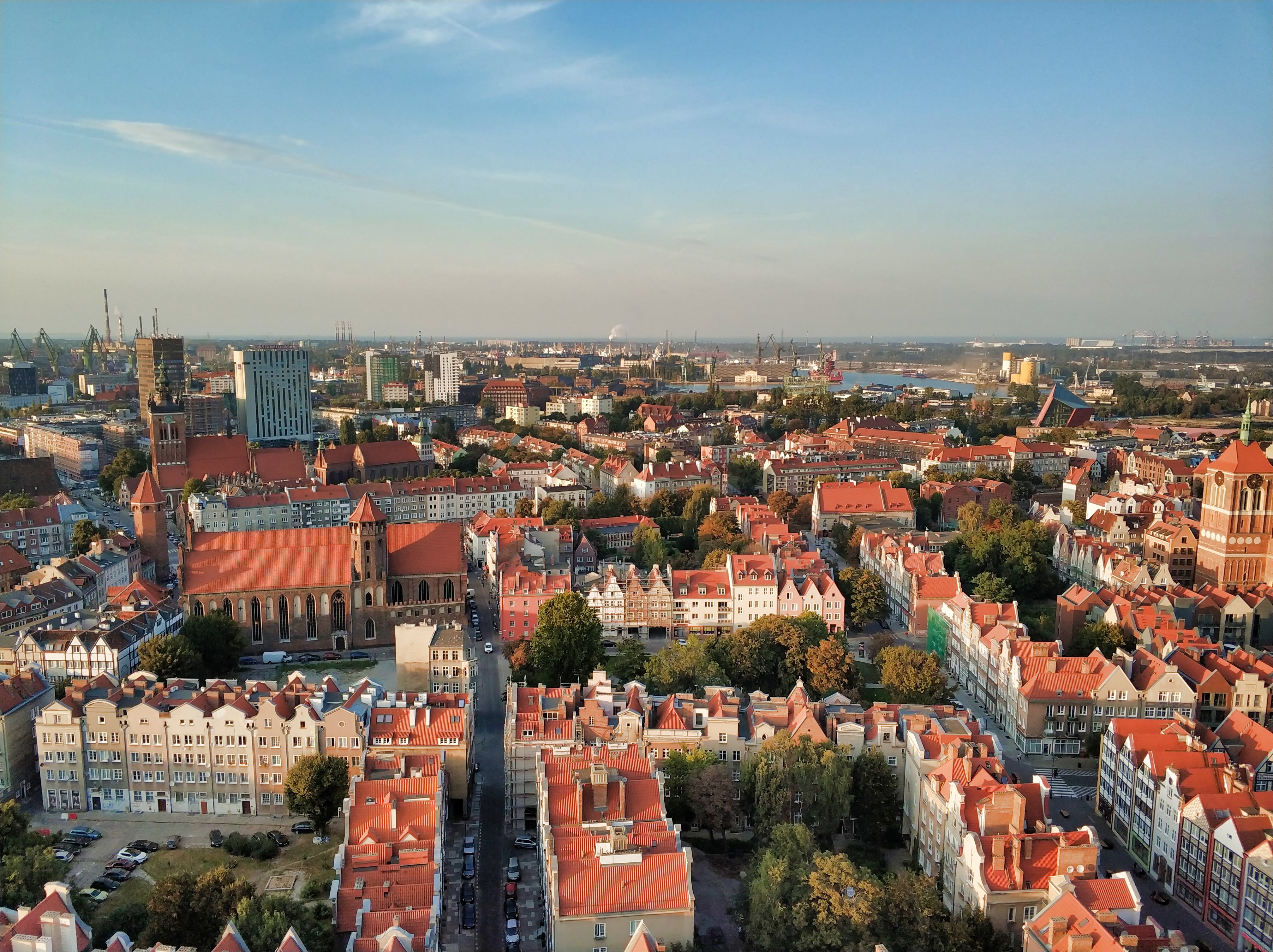
While Liat was at the conference, Boaz visited St Mary’s Basilica. The exterior is impressive; the interior appealed to us less than some other Polish churches we had seen. Climbing the tower involves more than 400 steps and takes some effort, but we felt the view was worth it.
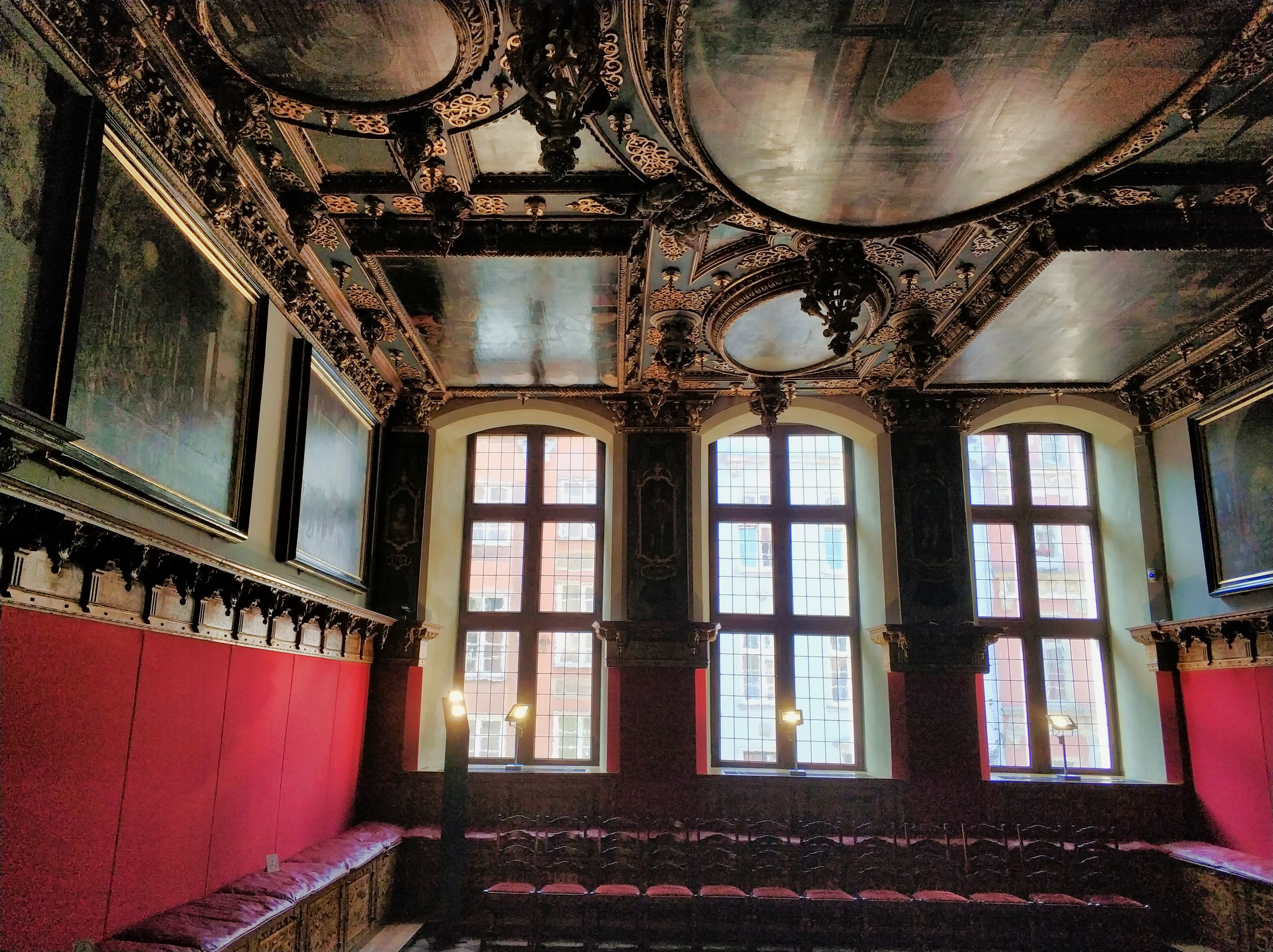
At the Main Town Hall, we particularly liked the Red Hall and its decorated ceiling. We did not climb the tower, having already seen the city from the church tower. This is the town hall at the junction of Długa and the Long Market, not the separate Old Town Hall.
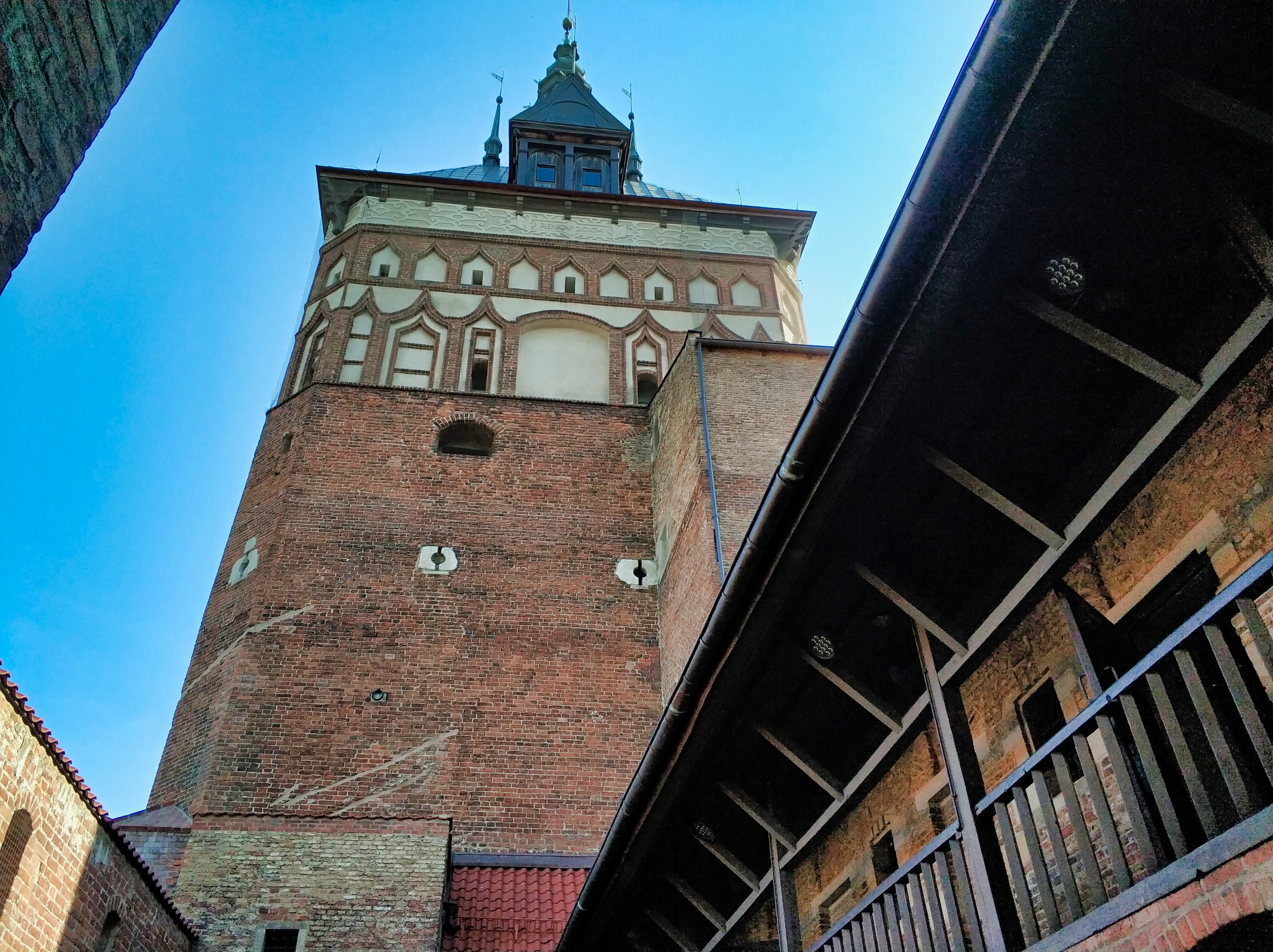
We visited the Amber Museum when it was still housed in the former prison-gate complex. It moved to the Great Mill at Wielkie Młyny 16 in 2021, after our visit. Our photographs therefore show its former home. Check the current museum visitor information when planning your visit.
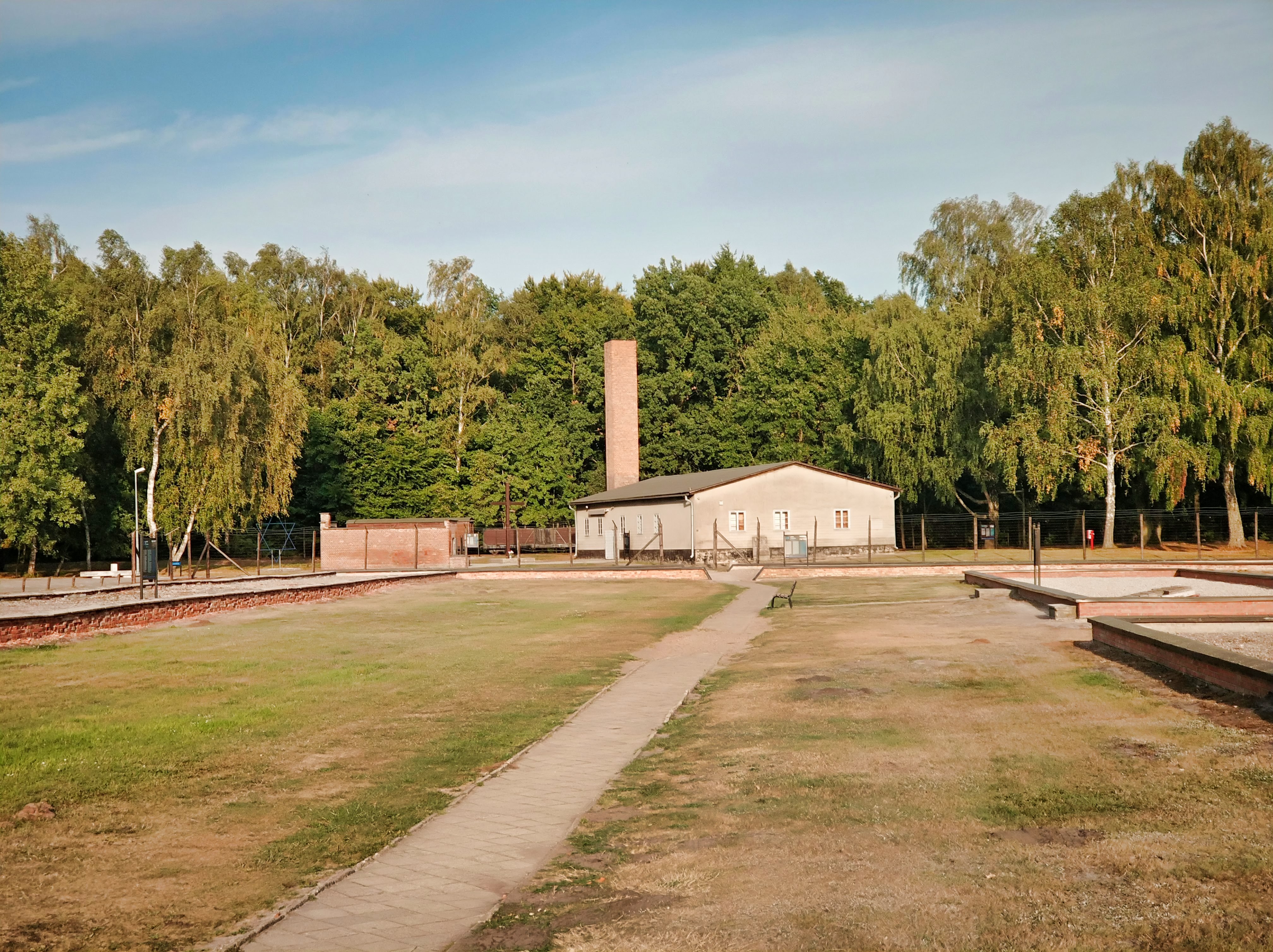
We later travelled to the Stutthof Museum, a difficult and important visit to the former Nazi concentration camp near Sztutowo. More than 60,000 people died in the camp and its evacuation. The murder of prisoners using gas began in June 1944. Allow time for the visit rather than treating it as a quick stop between attractions. We travelled by bus; check the visitor information and return transport when planning a visit today.
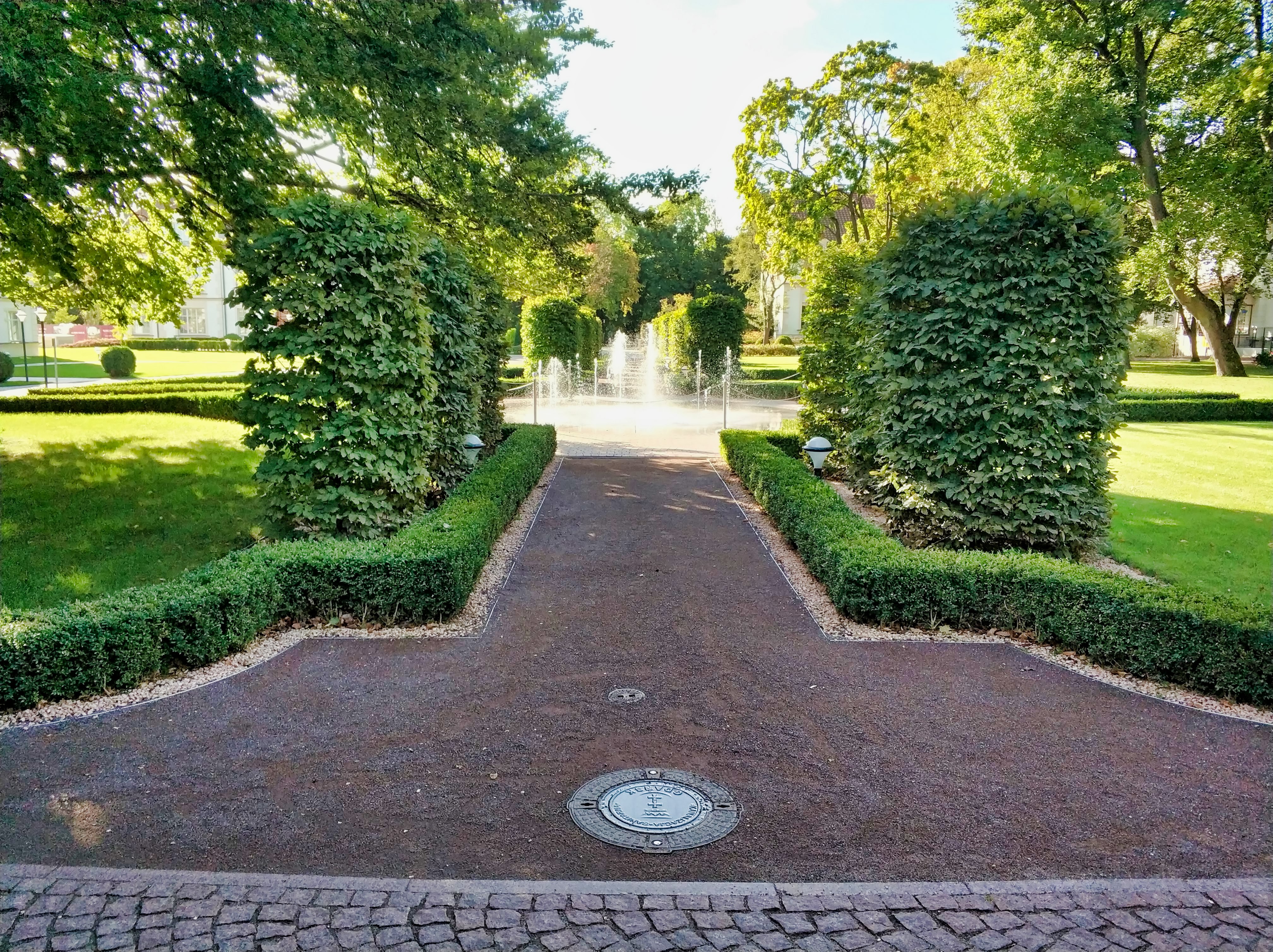
We had two beautiful sites for our final day. We started the day by walking at Oliwa Park.
We then visited the European Solidarity Centre, which we felt was one of the best museums we had ever visited. We spent around three hours there. The exhibition and audio guide help explain the strikes of 1980, the Solidarity movement and the long road to the partly free elections of 1989. Learning about the people behind those changes makes the visit particularly compelling. Check the official opening and visitor information before going.
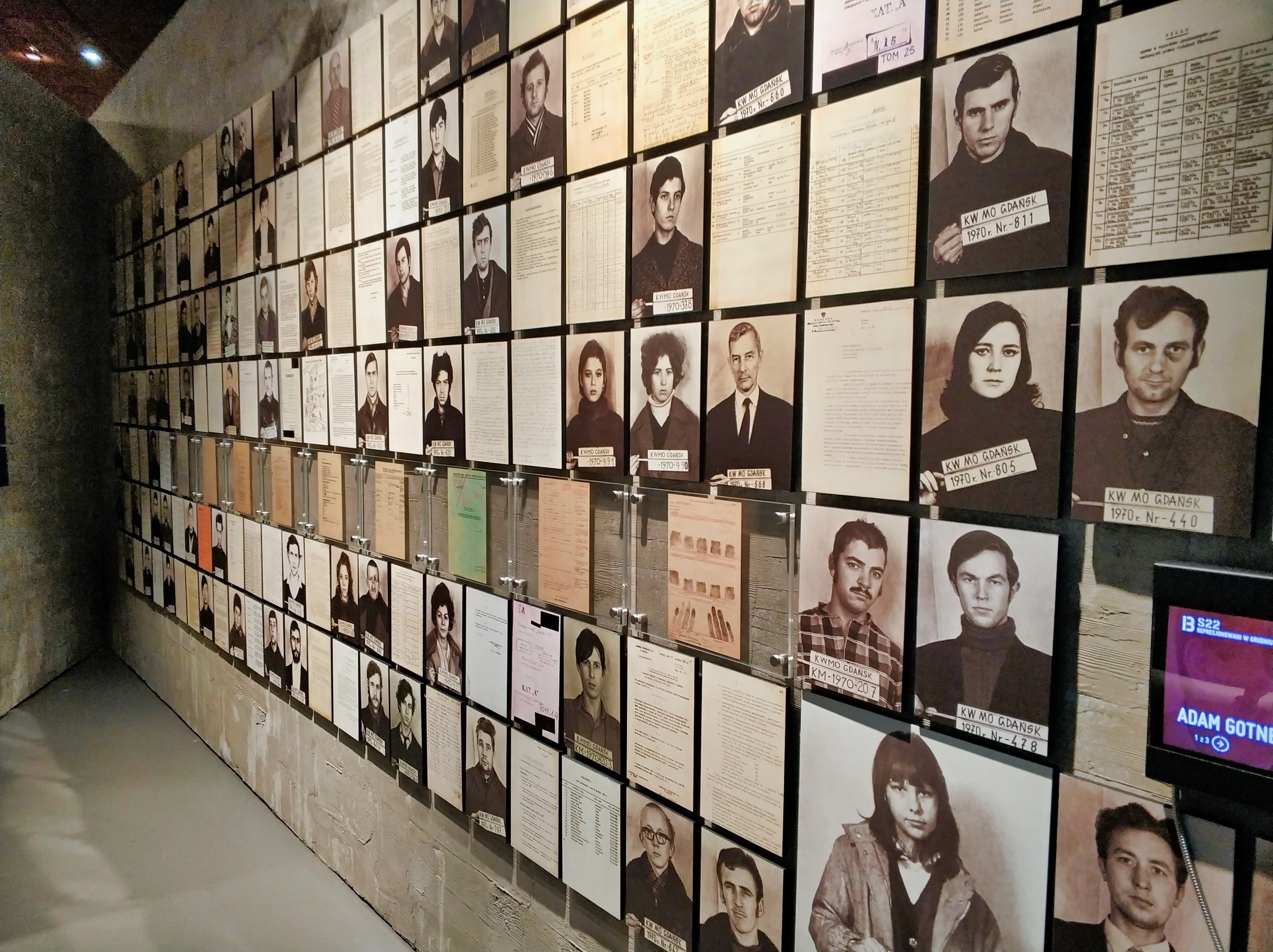
It was a fantastic end to our visit to Gdansk.
Where We Stayed
Mercure Gdansk Stare Miasto: We stayed here and recommend it.
ibis Gdansk Stare Miasto: We stayed here and recommend it.
Hotel booking links are affiliate links. We may earn a commission when you book through them, at no extra cost to you.
All Articles from This Trip
Museum of the Second World War in Gdansk
Stutthof Former Nazi Concentration Camp
Gdansk Amber Museum: Our Visit and the Move to the Great Mill
European Solidarity Center and the Shipyard in Gdansk
Places on this trip
- The Long Market in Gdansk
- The Amber Sky Ferry Wheel
- Museum of the Second World War in Gdansk
- Westerplatte
- Sopot
- St. Mary Basilica, Gdansk
- Main Town Hall of Gdansk
- Gdansk Amber Museum: Our Visit and the Move to the Great Mill
- Stutthof Former Nazi Concentration Camp
- Oliwa Park in Gdansk
- European Solidarity Center and the Shipyard in Gdansk